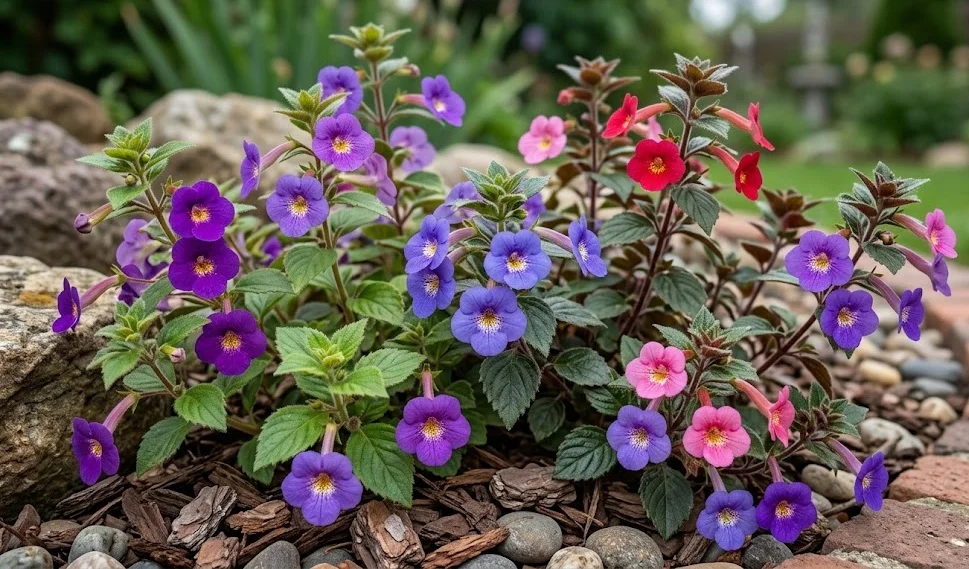

To achieve a truly spectacular and professional-looking display, one must master the technique of pinching back the stems. These plants have a natural tendency to grow long and somewhat sparse if left to their own devices. By removing the growing tips of the young stems, you stimulate the dormant buds in the leaf axils to grow. This results in a plant that is much fuller, more compact, and capable of producing many more flowers.
Pinching should ideally begin when the young shoots are about five to eight centimeters in length and have several sets of leaves. Use your thumb and forefinger to cleanly snap off the very tip of the stem, just above a leaf node. This small intervention redirects the plant’s growth hormones to the side branches instead of the main leader. You can repeat this process several times during the early spring to create a very dense foundation for the summer blooms.
While it may be difficult to remove healthy green growth, the long-term benefits for the plant’s architecture are undeniable. A pinched plant will have a much more sturdy structure that can support the weight of the upcoming flowers without drooping. This is particularly important for upright varieties that can become top-heavy as the season progresses. The goal is to build a robust framework that will eventually be completely covered in vibrant color.
The timing of your final pinch is important, as each intervention delays the start of the flowering period by a week or two. In most climates, you should stop pinching by late May or early June to allow the flower buds to form. This ensures that you have a full, bushy plant that is ready to start its primary blooming phase just as the weather warms up. A strategic approach to pruning early in the season pays dividends throughout the rest of the year.
Deadheading and maintenance during the bloom
Maintaining the appearance of your plant during the peak of summer involves the regular removal of spent blossoms. This practice, known as deadheading, serves both an aesthetic and a biological purpose for the plant’s health. Not only does it keep the display looking fresh and vibrant, but it also prevents the plant from wasting energy on seed production. When seeds begin to form, the plant naturally slows down its production of new flower buds.
More articles on this topic
To deadhead correctly, trace the flower stem back to where it meets the main branch and remove it cleanly. Avoid leaving long “stubs,” which can eventually wither and become a potential entry point for fungal pathogens. Using a small pair of precision snips or scissors is often easier and more accurate than using your fingers. Regular maintenance every few days will ensure that your plant remains in peak condition throughout the entire summer.
You should also take this opportunity to remove any yellowing or damaged leaves from the interior of the plant. Improving the light penetration and air circulation within the dense foliage helps prevent diseases and keeps the plant healthy. A clean plant is much less likely to harbor pests like spider mites or aphids that thrive in crowded conditions. Professional results are often the result of these small, consistent acts of care and attention.
If a stem becomes damaged or broken due to handling or wind, it should be pruned back to a healthy node immediately. These plants are remarkably resilient and will often sprout new growth from the cut end within a few days. Don’t be afraid to perform minor “surgical” removals to maintain the overall shape and balance of the specimen. A well-groomed plant is a sign of an experienced and dedicated gardener who understands the plant’s needs.
Seasonal cutting back for dormancy preparation
As the autumn days shorten and the plant’s vitality begins to fade, a different approach to pruning is required. You will notice the leaves turning yellow and the stems becoming somewhat brittle as the plant enters dormancy. This is the signal to start reducing your maintenance activities and let the plant follow its natural cycle. During this time, you should only remove parts of the plant that have completely dried and turned brown.
More articles on this topic
It is a common mistake to cut the entire plant back to the soil level while the stems are still green and succulent. These green stems are still actively moving energy and nutrients down into the underground rhizomes for winter storage. Cutting them too early can result in smaller, weaker rhizomes that may not have the strength to sprout the following spring. Patience is the most important tool in your gardening kit during this transition into the resting phase.
Once the foliage is entirely dead and resembles dry straw, it can be safely and easily removed at the base. You can use your hands to gently snap the dry stems away from the soil without disturbing the rhizomes underneath. This cleaning process prepares the pot for its winter storage in a cool, dark location away from frost. Removing the old debris also eliminates potential hiding places for pests that might try to overwinter in the soil.
If you are harvesting the rhizomes for separate storage, the pruning process happens naturally as you sift them out of the dry medium. Any remaining bits of old stem should be removed from the top of the rhizomes before they are packed away. This ensures that you are starting with clean, healthy material when it is time to replant in the spring. Proper end-of-season care is the final act of a successful and rewarding growing year.
Tools and hygiene for professional pruning
Using the right tools is essential for making clean, healthy cuts that heal quickly and do not invite disease. A pair of sharp, high-quality floral snips or micro-tip pruners is the best investment for working with these delicate stems. These tools allow you to reach into the center of the plant and make precise cuts without damaging the surrounding foliage. Keeping your blades sharp prevents the crushing of the plant tissues, which can lead to localized rot.
Hygiene is just as important as the sharpness of your tools when you are moving between different plants in your collection. Always sterilize your blades with rubbing alcohol or a mild bleach solution before and after use. This simple step prevents the accidental transmission of viruses, bacteria, and fungal spores from one specimen to another. In a professional setting, cleanliness is the first line of defense against widespread pest and disease outbreaks.
For the best results, try to perform your pruning and pinching tasks during the morning when the plant is fully hydrated. The stems are more turgid and will snap or cut cleanly without tearing the outer “skin” of the plant. Avoid pruning during the heat of the day or when the plant is showing signs of drought stress. Providing the best possible conditions for the plant to recover ensures that the new growth will be vigorous and healthy.
Discard all of your pruning waste immediately rather than leaving it on the surface of the soil or near your healthy plants. Fallen leaves and stems can quickly become a breeding ground for mold and various types of harmful insects. Maintaining a clean and organized workspace is a hallmark of an expert approach to indoor gardening and agriculture. With these professional techniques, you can ensure that your collection of tropical hybrids remains a source of beauty for many years to come.