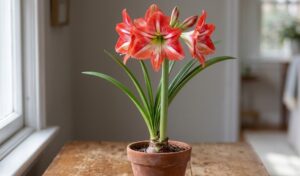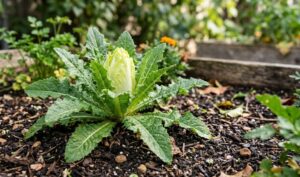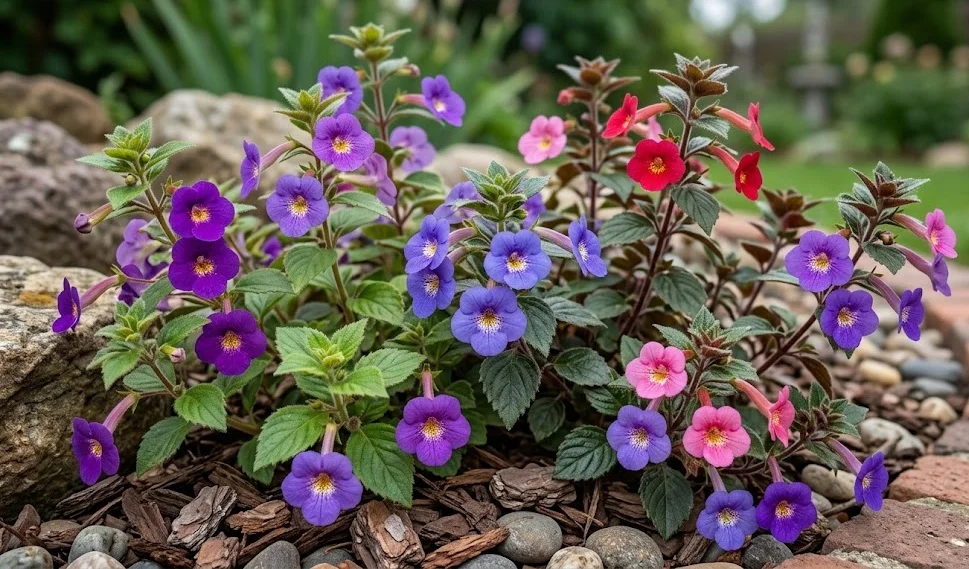

The hot water plant is a truly captivating addition to any indoor garden, offering a cascade of vibrant blooms that last for several months. Originally hailing from the tropical regions of Central and South America, these plants have adapted well to the microclimates of our homes. Understanding their natural history helps us replicate the humid, warm environments they crave for optimal health. Growers often prize them for their unique ability to transform from dormant rhizomes into lush, flowering displays.
Successful cultivation begins with a deep appreciation for the plant’s seasonal rhythm and biological clock. These species do not follow the standard evergreen growth pattern found in many other common houseplants. Instead, they require a distinct period of rest to recharge their energy for the following spring season. Navigating this cycle correctly ensures that your specimens return stronger and more beautiful every single year.
The physical appearance of the foliage is often as charming as the flowers themselves. Most varieties feature serrated, slightly hairy leaves that provide a soft texture to your plant arrangements. These leaves act as sensitive indicators of the plant’s overall health and hydration levels. Maintaining the integrity of the foliage is essential for supporting the large volume of blooms produced during the peak summer months.
Professional enthusiasts often highlight the diversity found within the hybrid groups available today. From upright bushy forms to trailing varieties perfect for hanging baskets, there is a specimen for every space. Choosing the right cultivar involves considering your available light and the specific aesthetic you wish to achieve. This versatility is one of the many reasons why these plants remain a staple in serious gardening collections.
Establishing the ideal indoor environment
Creating the perfect atmosphere involves more than just placing a pot on a shelf. These tropical natives thrive in temperatures ranging between twenty and twenty-five degrees Celsius during their active growth phase. Sudden drops in temperature or exposure to cold drafts can cause significant stress to the developing buds. Ensuring a stable and warm climate is the first step toward a successful growing season.
More articles on this topic
Air circulation is an often overlooked factor that significantly impacts the plant’s vigor. While they enjoy humidity, stagnant air can lead to fungal issues and poor transpiration rates. Providing a gentle movement of air helps strengthen the stems and prevents the buildup of moisture on the sensitive leaf surfaces. A well-ventilated room provides the necessary balance between moisture retention and fresh air exchange.
The microclimate immediately surrounding the foliage should remain consistently humid without being damp. Many experts suggest using pebble trays or grouping plants together to naturally increase the local moisture levels. This technique mimics the understory of a rainforest where these plants naturally evolve and flourish. Avoiding the dry air produced by central heating systems is crucial for maintaining the lush green appearance of the leaves.
Stability is the cornerstone of professional care when managing these delicate tropical hybrids. They do not respond well to frequent changes in their location or sudden shifts in their environmental parameters. Once you find a spot where the plant shows healthy growth, it is best to leave it undisturbed. This consistency allows the plant to focus its energy on flower production rather than adapting to new surroundings.
Selection and maintenance of the growing medium
A high-quality potting mix is the foundation of any successful gardening endeavor involving these rhizomatous plants. The ideal medium must be loose, airy, and rich in organic matter to support rapid root development. Most professionals prefer a peat-based mix supplemented with perlite or vermiculite to ensure excellent drainage. This combination prevents the rhizomes from sitting in water, which could lead to irreversible rot.
More articles on this topic
The acidity level of the soil also plays a vital role in nutrient availability and overall plant health. These plants generally prefer a slightly acidic environment with a pH value between five and six. Using a specialized mix designed for African violets or similar Gesneriads is often a safe and effective choice. Testing your soil periodically can help you make necessary adjustments before any nutrient deficiencies become visible.
Choosing the right container is just as important as the soil that goes inside it. For trailing varieties, wide and shallow pots are often more effective than deep, narrow ones. This provides more surface area for the rhizomes to spread and produce multiple stems, leading to a fuller appearance. Ensure that every pot has adequate drainage holes to allow excess water to escape freely.
Over time, the soil can become compacted or depleted of its essential structure and minerals. It is generally recommended to use fresh potting medium at the start of every new growing season. This practice minimizes the risk of soil-borne pathogens and ensures that the young sprouts have the best possible start. Fresh soil provides the physical support and aeration necessary for the plant to reach its full genetic potential.
Managing the active growth cycle
The growing season typically begins in early spring when the dormant rhizomes start to show signs of life. As soon as the first green shoots appear, it is time to increase light exposure and provide consistent warmth. This early stage is critical for establishing a strong root system that will support the upcoming floral display. Careful observation during these first few weeks allows you to identify the most vigorous stems.
As the stems lengthen, you may notice that some varieties benefit from additional support or pinching. Removing the very tips of the young shoots encourages the plant to branch out and become bushier. This technique results in a more compact shape and a significantly higher number of flower buds. While it may delay the first blooms slightly, the long-term payoff in floral volume is well worth the wait.
The transition from vegetative growth to flowering is a period of high energy consumption for the plant. During this phase, ensuring that the plant never dries out completely is paramount for bud retention. Even a short period of drought can cause the developing flowers to drop before they have a chance to open. Maintaining a steady supply of moisture and nutrients is the key to a prolonged and spectacular blooming period.
As autumn approaches, you will notice a natural slowdown in the plant’s activity and vitality. The leaves may begin to lose their luster, and fewer new buds will form on the stems. This is a normal part of the plant’s life cycle and signals the beginning of its preparation for dormancy. Gradually reducing care interventions during this time helps the plant transition smoothly into its resting phase.
Techniques for encouraging prolific flowering
Achieving a carpet of blooms requires a strategic approach to both light and nutrition. While these plants enjoy bright conditions, direct midday sun can often scorch the delicate petals and foliage. Providing filtered light or placing them in an east-facing window ensures they receive enough energy without the risk of heat damage. This balance is the secret to maintaining the deep, saturated colors of the blossoms.
The duration of the flowering period can be extended by regularly removing spent blooms. This practice, known as deadheading, prevents the plant from diverting energy into seed production. By removing the old flowers, you signal to the plant that it should continue producing new buds. A clean pair of scissors or your fingertips can easily accomplish this task without damaging the main stems.
Humidity plays a secondary but vital role in the quality and longevity of individual flowers. In dry environments, the buds may fail to open fully or the petals may wither prematurely at the edges. Increasing the surrounding moisture levels during the peak of summer helps the flowers remain crisp and vibrant for longer. Consistent humidity also supports the overall turgor pressure within the plant’s vascular system.
The genetic potential of modern hybrids allows for an incredible density of flowers when cared for professionally. Some experts recommend rotating the plant slightly every few days to ensure all sides receive equal light exposure. This prevents the plant from becoming “leggy” or leaning too heavily in one direction toward the light source. A well-balanced plant will produce a much more uniform and aesthetically pleasing display of color.
Humidity and temperature control strategies
Monitoring the temperature fluctuations in your growing area is a daily responsibility for the dedicated gardener. While daytime warmth is essential, a slightly cooler night can actually benefit the plant’s metabolic processes. However, the temperature should never fall below fifteen degrees Celsius even during the night hours. Protecting the plants from air conditioning vents is just as important as shielding them from winter drafts.
In modern homes, achieving high humidity can be a challenge, especially during the height of the summer season. Misting the foliage with room-temperature water can provide temporary relief, but it must be done carefully. Avoid misting when the sun is shining directly on the leaves to prevent unsightly water spots or burns. Using a dedicated humidifier in the room is often the most reliable method for maintaining consistent levels.
Water quality is another factor that can influence how the plant handles environmental stress. Using soft, lukewarm water prevents the shock that cold tap water can cause to the tropical root system. Some growers prefer to let their water sit overnight to allow chlorine to dissipate and reach room temperature. This small attention to detail can make a significant difference in the overall resilience of your specimens.
Environmental sensors, such as digital hygrometers, are inexpensive tools that provide valuable data for your gardening routine. Knowing the exact humidity and temperature levels allows you to make informed decisions about watering and ventilation. These devices take the guesswork out of plant care and help you identify potential problems before they affect the plant. Professional results are often the outcome of combining observation with accurate environmental monitoring.
Post-flowering maintenance and transition
Once the final blooms have faded, the plant enters a phase where it focuses on rhizome development. It is a common mistake to stop caring for the plant as soon as the flowers are gone. In reality, the leaves continue to photosynthesize and store energy in the underground rhizomes for next year. Continued, though slightly reduced, watering and feeding are necessary until the foliage begins to yellow naturally.
The process of “drying down” the plant should be a gradual one that follows the plant’s own timeline. As the stems begin to wither and turn brown, you should slowly decrease the frequency of your watering. This mimicking of the dry season in the tropics tells the rhizomes it is time to enter deep dormancy. Rushing this process by cutting off green stems can result in smaller and weaker rhizomes.
Once the foliage is completely dry, it can be safely removed at the soil level. The pot containing the dormant rhizomes should then be moved to a cool, dark, and dry location. A temperature of around ten to twelve degrees Celsius is ideal for this resting period during the winter months. Proper storage prevents the rhizomes from either freezing or sprouting prematurely due to excess warmth.
Checking the stored rhizomes once a month is a good practice to ensure they remain healthy and firm. They should not feel mushy, which indicates rot, nor should they be completely shriveled and brittle. If the soil feels bone-dry, a tiny drop of water can be added to prevent total dehydration, though this is rarely necessary. This period of quiet rest is the final stage of the annual care cycle for these remarkable plants.