
Caring for prickly heath requires a dedicated approach that respects the plant’s specific needs as an ericaceous evergreen shrub. This species is beloved for its vibrant winter berries and glossy foliage, making it a centerpiece in many ornamental gardens during the colder months. To ensure these plants thrive, you must provide an environment that mimics their natural acidic habitat while monitoring seasonal changes. Success with this shrub is not just about keeping it alive, but about encouraging the lush growth and heavy fruiting that define its beauty.
Maintaining the health of these shrubs starts with understanding their root systems and how they interact with the soil. These plants possess fine, fibrous roots that do not like to be disturbed once they are established in a permanent location. You should aim to keep the surrounding area clear of aggressive weeds that might compete for nutrients or water. Applying a consistent layer of organic mulch can help stabilize soil temperatures and keep the delicate roots protected throughout the year.
The aesthetic appeal of the shrub is largely dependent on its berry production, which requires careful attention during the flowering stage. Since many varieties are dioecious, you need to ensure that both male and female plants are present in your garden for pollination to occur. Without proper pollination, the female plants will produce flowers but fail to develop the iconic colorful berries that gardeners desire. Monitoring the activity of local pollinators during the late spring can give you an early indication of the coming season’s fruit yield.
Long-term care involves a balance between patience and proactive intervention when environmental conditions shift unexpectedly. You should regularly inspect the foliage for any signs of discoloration or lack of vigor, which often indicates an issue with soil pH. As the plant matures, it becomes more resilient, but it still benefits from a watchful eye and consistent maintenance routines. By following these foundational principles, you can enjoy a vibrant and healthy specimen that adds structure to your landscape for many years.
Soil conditions and substrate
The foundation of success for prickly heath lies almost entirely in the quality and acidity of the soil it inhabits. You must provide a substrate with a low pH, typically between 4.5 and 5.5, to allow the plant to absorb essential minerals. In gardens with alkaline or neutral soil, these shrubs will quickly develop chlorosis and lose their vibrant green color. Utilizing peat-based compost or specialized ericaceous potting mixes is the most effective way to create the necessary conditions for healthy growth.
More articles on this topic
Texture and drainage are equally important when selecting or preparing a site for these evergreens in your garden. The soil needs to be rich in organic matter to hold moisture, yet it must drain freely to prevent the roots from rotting. Incorporating well-rotted leaf mold or pine needles can improve the structure of the soil while naturally contributing to its acidity. If your garden soil is heavy clay, consider planting in raised beds or large containers where you can fully control the substrate composition.
Nutrient availability is closely tied to the organic content of the earth surrounding the root ball of the plant. These shrubs thrive in “hungry” soils that are rich in decomposed organic material, which provides a slow-releasing source of energy. You should avoid using lime-based fertilizers or any additives that could raise the soil pH over time. Regularly testing the soil acidity can help you make adjustments before the plant shows any outward signs of distress or nutrient deficiency.
Finally, the physical stability of the soil helps protect the shallow root system from external stresses like wind or extreme heat. Adding a thick layer of bark mulch not only helps with acidity but also prevents the soil from compacting too tightly around the base. Compacted soil restricts oxygen flow to the roots, which can stunt the growth of the shrub and lead to a sparse appearance. A loose, airy, and acidic environment is the ultimate goal for any serious grower of this species.
Berry production and pollination
One of the most rewarding aspects of caring for this shrub is the abundance of colorful berries that persist through the winter. To achieve this, you must understand the sexual characteristics of the specific variety you have purchased for your garden. Most standard cultivars are either male or female, meaning a single plant will not produce fruit on its own. You generally need at least one male plant for every five or six female plants to ensure successful cross-pollination.
More articles on this topic
The timing of the flowering period is critical, as this is when the potential for a heavy fruit crop is determined. Small, bell-shaped flowers appear in late spring or early summer, attracting bees and other beneficial insects to the garden. You should ensure that the plants are not stressed during this time, as drought or extreme heat can cause the blossoms to drop prematurely. A healthy, well-watered plant is much more likely to support a large number of berries through to maturity.
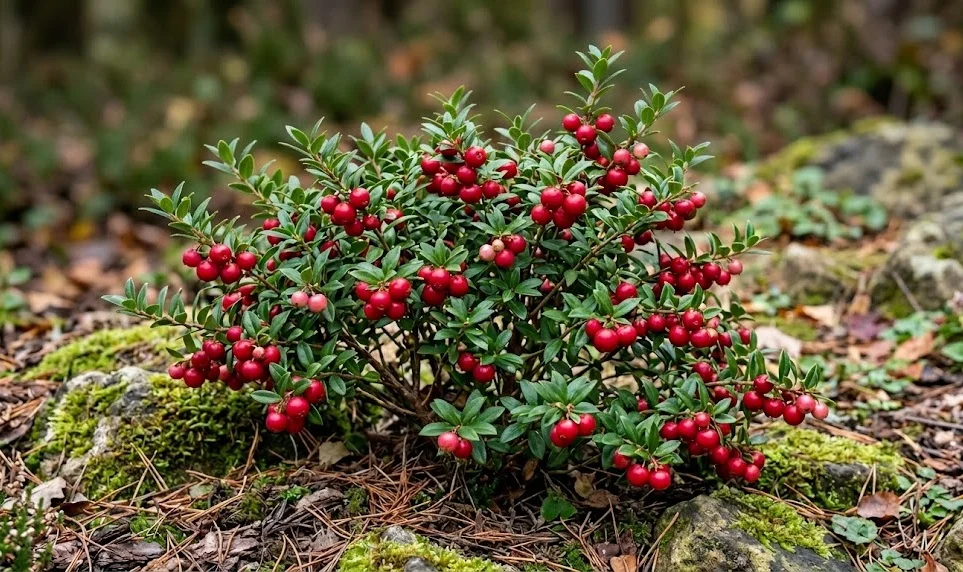
The color of the berries can range from pure white to deep purple or bright pink, depending on the cultivar selected. Once the berries have formed, they are remarkably persistent and often stay on the branches until the following spring. You should avoid over-pruning during the summer, as this can accidentally remove the developing fruit before it has a chance to color. These berries are not only ornamental but also provide a visual contrast against the dark green, leathery leaves of the plant.
Environmental factors can sometimes interfere with the pollination process, leading to a disappointing display of fruit in the autumn. If spring weather is exceptionally cold or rainy, pollinator activity may be low, resulting in fewer berries than usual. In such cases, there is little a gardener can do other than provide the best possible general care to support the plant. Ensuring the plants are spaced closely enough for pollen to travel easily between them is a practical step you can take during the initial planting phase.
Seasonal maintenance routines
Spring is the time for renewal and assessment, where you should check for any winter damage or dead wood on the shrub. As the weather warms, the plant begins its active growth phase, making it the ideal time to apply a fresh layer of mulch. You can also lightly prune the tips of the branches if you wish to encourage a bushier habit for the coming season. This early intervention sets the stage for a healthy flowering period and vigorous leaf development throughout the summer months.
During the heat of the summer, the primary focus of your maintenance routine should be moisture management and heat protection. These plants do not tolerate drying out completely, so you must monitor the soil moisture levels daily during periods of high temperature. Providing some light shade during the hottest part of the afternoon can prevent the foliage from scorching or turning brown. Consistent care during these months ensures that the plant remains strong enough to support its heavy load of developing berries.
Autumn is the season when the hard work of the previous months finally pays off as the berries reach their full color. Your task during this time is to prepare the plant for the dormant period while enjoying the aesthetic benefits of the fruit. You should clear away any fallen debris from around the base of the plant to prevent fungal spores from overwintering in the soil. It is also a good time to check the structural integrity of the shrub before winter winds and heavy snow arrive.
Winter maintenance is relatively minimal, as the plant is naturally hardy and enters a period of slower metabolic activity. You should avoid any heavy pruning or fertilization during this time, as the plant cannot effectively process nutrients or heal wounds in the cold. If there is a particularly heavy snowfall, you might need to gently brush excess snow off the branches to prevent them from snapping under the weight. Otherwise, you can simply admire the evergreen foliage and colorful berries that provide life to the winter landscape.
Nutrition and supplemental feeding
While these shrubs are not heavy feeders, they do benefit from a targeted nutritional strategy that supports their acidic requirements. You should use a fertilizer specifically formulated for acid-loving plants, such as those designed for rhododendrons or azaleas. Applying a slow-release granular fertilizer in early spring provides a steady supply of nutrients throughout the main growing season. Avoid high-nitrogen fertilizers that promote excessive leaf growth at the expense of flower and fruit production.
The timing of nutrient application is essential to prevent disrupting the plant’s natural growth cycle or causing chemical burns to the roots. You should always water the soil thoroughly before and after applying any fertilizer to help distribute the minerals evenly. Late summer or autumn fertilization should be avoided, as it can stimulate new, soft growth that will be killed by the first frost. A single, well-timed application in the spring is usually sufficient for established plants growing in healthy soil.
Organic amendments can often replace synthetic fertilizers if you maintain a high level of organic matter in the soil substrate. Compost made from pine needles, oak leaves, or shredded bark provides a natural, slow-release source of acid-compatible nutrients. Over time, these materials break down and improve the overall biological health of the soil, which benefits the plant’s root system. This sustainable approach mimics the forest floor environment where these shrubs naturally evolve and thrive.
Monitoring the plant for signs of nutrient deficiency is a key skill for any gardener interested in long-term success with this species. Iron deficiency is the most common issue, appearing as yellowing leaves with green veins, a condition known as interveinal chlorosis. If this occurs, you may need to apply chelated iron or a soil acidifier to bring the pH back into the correct range. Regular observation allows you to catch these issues early and correct the soil chemistry before the plant’s health is severely compromised.
Managing growth and space
Prickly heath has a spreading habit and can eventually form a dense thicket if left to its own devices in the garden. You should plan your garden layout carefully, giving each plant enough room to expand without crowding its neighbors too quickly. Proper spacing is not just about aesthetics; it also ensures adequate airflow, which is crucial for preventing fungal diseases in the dense foliage. Typically, a distance of about sixty to ninety centimeters between plants is recommended for a balanced and healthy look.
If you find that your plants are becoming too large for their allotted space, you can manage their size through careful, selective pruning. Instead of shearing the entire shrub, you should remove individual stems at their base to thin out the center and reduce the overall footprint. This technique maintains the natural form of the plant while controlling its spread and encouraging new growth from the interior. Regular management of the plant’s size prevents it from becoming leggy or unkempt over several growing seasons.
Ground cover varieties of this species are particularly useful for filling in large areas under taller trees or along the edges of woodland paths. These lower-growing types require less intensive management of their height but still need clear boundaries to prevent them from encroaching on other plants. You can use physical barriers or regular edging to keep the spreading root system contained within the desired area. This proactive approach to space management ensures that your garden remains organized and visually appealing.
As the shrub ages, the older wood at the center can become brittle and less productive in terms of foliage and fruit. You might notice that the density of the plant decreases in the middle while the outer edges continue to expand vigorously. In such cases, a more significant rejuvenation pruning may be necessary to stimulate fresh growth from the crown of the plant. By managing the space and growth of the shrub throughout its life, you ensure a consistently attractive and healthy specimen.
Environmental stressors and placement
Choosing the right location in your garden is perhaps the most important decision you will make when caring for this evergreen shrub. It prefers a spot that offers a balance of bright light and protection from the harshest environmental elements, such as drying winds. A site that receives morning sun and afternoon shade is often ideal, as it provides enough light for berries without overheating the plant. Avoid low-lying areas where frost pockets might form, as these can damage late-season growth or early spring flowers.
Wind protection is an often-overlooked factor that can significantly impact the health and appearance of the foliage. Cold, drying winter winds can cause desiccation, where the plant loses moisture faster than the frozen roots can replace it. Planting near a fence, hedge, or larger evergreen can provide a necessary windbreak that keeps the prickly heath protected during the winter. If your garden is particularly exposed, you might consider using a temporary burlap screen during the coldest months of the year.
Urban environments can present unique challenges, such as heat radiating from pavement or buildings, which can stress the plant. You should avoid planting this shrub directly against a south-facing brick wall, as the reflected heat can be too intense for its liking. Instead, look for cooler spots in the garden that benefit from the natural cooling effect of surrounding vegetation or mulched soil. Careful placement helps the plant maintain its moisture balance and reduces the risk of leaf scorch during summer heatwaves.
The proximity to other plants also influences the microclimate around your shrub and its ability to thrive in your specific garden. Planting near other acid-loving species, like blueberries or camellias, ensures that the entire area can be managed with the same soil treatments. This creates a cohesive ecological zone in your garden where all the plants support one another’s environmental needs. By considering all these environmental factors, you create a stable and supportive home for your prickly heath to grow.
Evaluating plant health and vigor
A healthy prickly heath should always exhibit dark green, shiny leaves that feel firm to the touch and appear vibrant. You should regularly check the new growth at the tips of the branches to ensure it is robust and free from deformities. If the new leaves appear stunted or pale, it is usually a sign that the plant is struggling with its environment or nutrition. Observing these small details allows you to adjust your care routine before the problem becomes a major threat to the plant.
The density of the foliage is another excellent indicator of whether the plant is receiving the right amount of light and water. A sparse shrub with long gaps between the leaves often suggests that it is growing in too much shade and is “stretching” for light. Conversely, a plant that is extremely compact but has brown or crispy leaf edges might be suffering from too much direct sun or wind. Achieving the right balance results in a lush, full appearance that makes the shrub a standout feature in any garden.
Fruit retention is a clear sign that the plant has successfully navigated the growing season and has enough energy reserves for the winter. If the berries begin to shrivel or drop off early in the autumn, it may indicate that the plant was under significant stress during the summer. By tracking the berry cycle from year to year, you can gain a deeper understanding of how your specific garden climate affects the plant’s performance. Consistent fruit production is the ultimate hallmark of an expert gardener who has mastered the care of this species.
Finally, the overall resilience of the plant to seasonal changes tells you a lot about the health of its root system. A well-established shrub should bounce back quickly after a dry spell or a cold snap once the proper conditions are restored. If your plant seems to take a long time to recover from minor stresses, it might be worth investigating the soil quality or drainage. High plant vigor is the result of a holistic care approach that addresses every need of the shrub from the ground up.