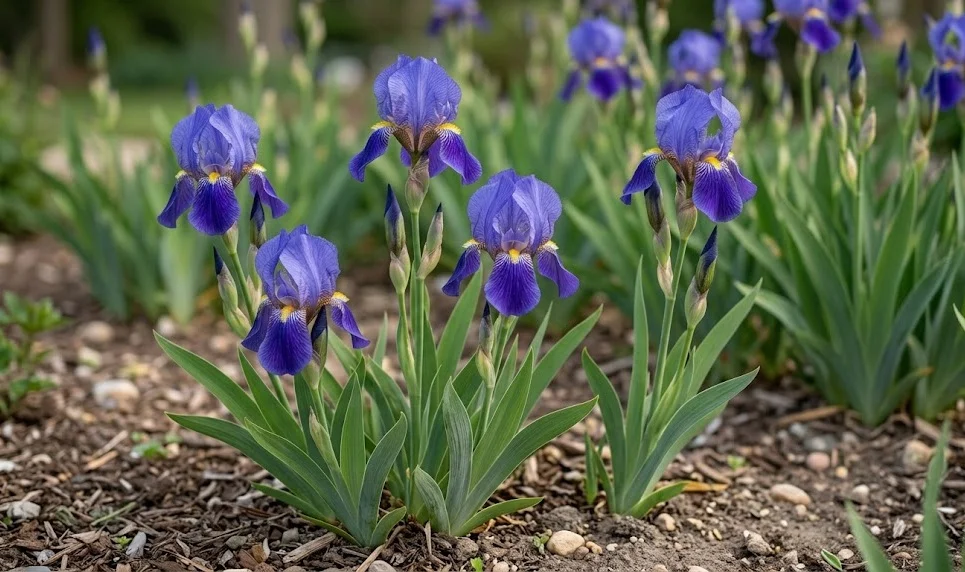

Implementing a professional pruning and cutting back routine is essential for maintaining both the health and the aesthetic appeal of your perennials. You should understand that these tasks are not merely for tidy appearances but serve a vital role in preventing disease and focusing the plant’s energy. Proper technique and timing are critical to ensure that you do not inadvertently stress the plant or reduce its future blooming potential. This expert guide details the best practices for pruning and managing the foliage of your garden irises.
Post-bloom deadheading
The process of deadheading involves removing the spent flowers once they have finished their display for the season. You should do this primarily to prevent the plant from wasting energy on seed production, which can sap the strength of the rhizome. By cutting off the old flowers, you encourage the plant to redirect its resources toward building up its storage organs for the following year. This simple intervention is one of the most effective ways to ensure a consistent and high-quality bloom every spring.
When you are deadheading, you should cut the entire flower stalk off at its base, near where it emerges from the foliage fan. Be careful not to damage the surrounding green leaves, as they are still busy producing energy for the plant. Use a sharp, sterilized pair of garden shears to make a clean cut that will heal quickly and minimize the risk of infection. A professional approach always prioritizes the long-term health of the plant over quick, careless maintenance tasks.
Removing the old stalks also improves the overall appearance of the garden and prevents the “messy” look of decaying plant material. It also eliminates a potential hiding spot for pests like the iris borer, which can sometimes use old stalks to gain entry to the plant. Keeping the center of the foliage fan clear and open to the air and light is a key part of maintaining a healthy specimen. Regular deadheading should be a standard part of your mid-summer garden routine.
If you have a variety that produces multiple flowers on a single stalk, you should remove the individual blossoms as they fade. Wait until the entire stalk has finished blooming before cutting it back to the ground to maximize the visual impact of the plant. This requires a bit more frequent attention but results in a much more polished and professional look for your flower beds. Your dedication to these small details will be evident in the beauty and vigor of your garden.
More articles on this topic
Seasonal foliage removal
Managing the long, sword-like leaves of your perennials requires a different approach than the flowering stalks. You should resist the urge to cut back healthy green leaves during the summer months, even if they start to look a bit untidy. These leaves are the primary engine for energy production, and removing them prematurely will significantly weaken the rhizome. The only time you should remove green foliage is if it is clearly diseased or damaged by pests.
As the season progresses into late autumn, the leaves will naturally begin to turn yellow and eventually brown as the plant enters dormancy. You should wait until the foliage has mostly died back before performing your major annual cut-back for the winter. This ensures that the plant has had the maximum amount of time to store energy and prepare for the cold months ahead. A late autumn pruning is a standard practice that helps tidy the garden and prepare it for the spring.
When you do cut back the foliage for the winter, a professional technique is to trim the leaves into a clean, “V” or fan shape about six inches above the ground. This shape looks attractive even in the dormant winter garden and prevents the leaves from matting down and trapping moisture. It also makes it much easier to clear away debris and inspect the rhizomes for any signs of trouble during the winter. Using sharp tools ensures the cuts are clean and reduces the chance of tearing the plant tissues.
In the early spring, you should perform a final check of the foliage and remove any parts that were damaged by frost or winter weather. This “spring cleaning” allows the new, fresh growth to emerge without being hindered by old, decaying material. It also provides an opportunity to look for early signs of pests or diseases that may have overwintered in the area. Consistent and thoughtful management of the foliage is the key to a healthy and long-lived iris collection.
More articles on this topic
Tool sanitization and technique
The quality and cleanliness of your pruning tools are just as important as the timing of your cuts in the garden. You should always use sharp shears or knives to ensure that you are making clean slices rather than crushing or tearing the plant fibers. Torn tissues take much longer to heal and provide an easy entry point for bacterial and fungal pathogens. Investing in high-quality tools and keeping them well-maintained is a fundamental part of professional horticulture.
Sanitizing your tools between plants is a critical step that many gardeners overlook, but it is essential for preventing the spread of disease. You should use a simple solution of isopropyl alcohol or a mild bleach mixture to wipe down your blades after working on each plant. This is particularly important if you are removing diseased material, as you do not want to carry spores or bacteria to healthy specimens. This disciplined approach to hygiene can save your entire garden from a widespread outbreak of common diseases.
When making a cut, you should always aim for a slight angle to prevent water from sitting on the cut surface and encouraging rot. You should also avoid cutting too close to the rhizome itself, as this can cause physical damage to the plant’s main storage organ. A gentle but firm hand is needed to ensure the job is done correctly without causing unnecessary stress to the iris. Learning the “feel” of the plant and how it responds to pruning is a skill that comes with experience.
Finally, you should always dispose of your pruning waste properly, especially if it shows any signs of pests or disease. You should never leave cut foliage on the ground around the plants, as it can harbor the very issues you are trying to prevent. Burn or dispose of diseased material in the trash, and only compost healthy leaves if you are sure your compost pile reaches high enough temperatures to kill pathogens. By following these professional pruning guidelines, you ensure that your garden remains a healthy and beautiful sanctuary.