
Pruning is a technique often associated with fruit trees or ornamental shrubs, but it also has specific, professional applications in the management of a carrot crop. While you do not “prune” a carrot in the traditional sense to encourage branching, the selective removal of foliage can be a vital tool for controlling growth and preventing disease. Understanding when and how to intervene with the plant’s canopy is a hallmark of a sophisticated horticultural approach. Correct foliage management ensures that the plant’s energy is directed exactly where you want it: the root.
The primary reason a professional might cut back carrot foliage is to manage the density of the canopy and improve airflow. In high-humidity environments, the lush, fern-like leaves can trap moisture, creating a breeding ground for fungal pathogens. By selectively thinning the outer leaves or trimming the tops, you can significantly reduce the risk of an outbreak. This practice requires a gentle touch and an understanding of the plant’s recovery capacity to avoid doing more harm than good.
Another critical application of cutting back occurs when a carrot plant shows signs of “bolting,” or moving toward its reproductive stage prematurely. If you notice a central stalk beginning to thicken and grow taller than the rest of the foliage, the plant is preparing to flower. Cutting this stalk back immediately can sometimes stall the process and allow the root to remain edible for a little longer. While it is not a permanent solution, it is a professional “emergency” measure to save a harvest from becoming woody.
Finally, the process of thinning seedlings, which we have discussed as a care requirement, is technically a form of radical pruning. You are selecting the strongest individuals and removing the “competition” to ensure the remaining plants have the resources they need. Every time you remove a leaf or a seedling, you are making a decision about the allocation of the garden’s resources. Mastering these interventions allows you to sculpt a more productive and healthy carrot patch.
Foliage management for disease prevention
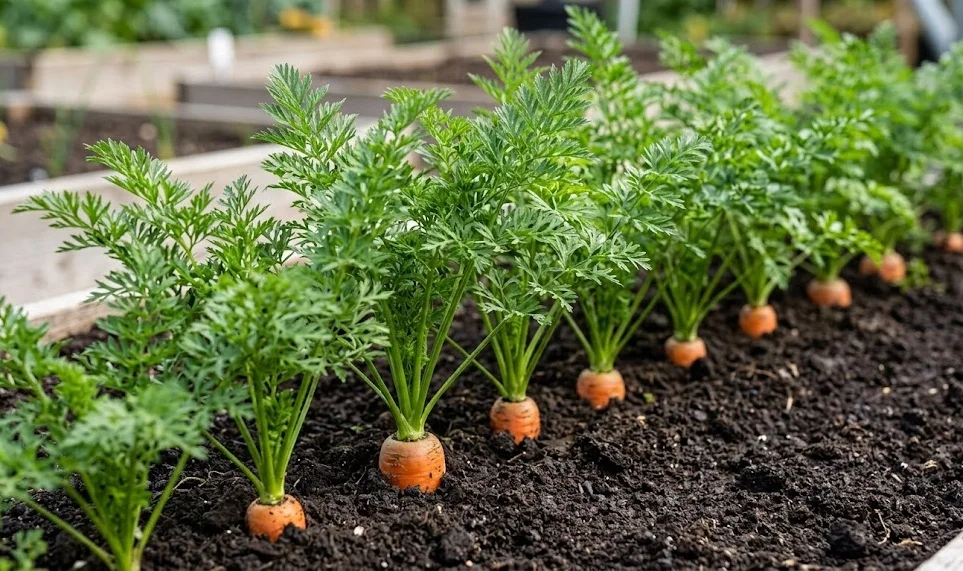
In a professional vegetable garden, the health of the leaves is the primary indicator of the health of the hidden root. If the foliage becomes too dense, the interior of the plant can become a stagnant environment where air cannot circulate. This is especially problematic after a heavy rain or morning dew, as the leaves may stay wet for several hours. Trimming back the outermost, older leaves can open up the canopy and allow the wind to dry the plants more quickly.
More articles on this topic
When you decide to trim the foliage, you should always use sharp, sterilized garden shears to make clean cuts. Tearing or snapping the stems can create jagged wounds that are much harder for the plant to heal and can become entry points for bacteria. You should aim to remove no more than fifteen to twenty percent of the total leaf area at any one time. This ensures that the plant still has enough photosynthetic power to continue growing its root without being shocked.
The best time to perform this foliage management is on a dry, sunny morning when the wounds can dry and seal rapidly. Avoid cutting the plants in the evening or during wet weather, as this significantly increases the risk of infection. You should also be careful not to disturb the soil around the base of the plant too much while you work. Maintaining the integrity of the soil surface is important for protecting the crown of the carrot from light and pests.
After trimming, you should remove all the cut foliage from the garden bed and compost it far away from your carrot patch. Leaving decaying leaf matter on the soil surface can attract pests like the carrot fly or provide a home for fungal spores. A clean garden is a professional garden, and hygiene is your first line of defense against crop failure. This systematic approach to foliage care keeps your plants vigorous and your roots protected.
Managing bolting and reproductive growth
Bolting is a major challenge for carrot growers, especially during periods of extreme heat or sudden temperature fluctuations. When a carrot bolts, it shifts its energy from storing sugar in the root to producing a tall flower stalk and seeds. As a result, the root quickly becomes tough, fibrous, and loses its sweetness, making it virtually inedible. Cutting back the emerging flower stalk as soon as it appears is a professional attempt to reverse or slow this process.
More articles on this topic
The “bolt” starts as a thick, round stem that emerges from the very center of the carrot crown. You should cut this stalk as close to the base as possible without damaging the surrounding leaf stems. If you catch it early enough, the plant may refocus its energy on leaf and root maintenance for a few more weeks. However, you should prioritize harvesting any “bolted” plants immediately, as their quality will only decline from that point forward.
Understanding why your carrots are bolting is the key to preventing it in future seasons through better management. Stress is the primary trigger, whether it is from drought, excessive heat, or even a period of unseasonably cold weather. By maintaining consistent water and providing shade during heatwaves, you can reduce the environmental stress on the plants. Professional growers use these observations to refine their planting dates and variety selections for the next year.
If you are growing carrots specifically for seed saving, then “cutting back” takes on a different meaning in the second year of growth. You may need to stake the tall flower stalks to prevent them from falling over and rotting on the ground. Selective pruning of the flower umbels can also help the plant focus its energy on producing a smaller number of high-quality, large seeds. This specialized form of pruning is part of the advanced skill set of a professional seed producer.
Trimming for harvest and storage preparation
The final stage of “cutting back” occurs at the moment of harvest, and it is a critical step for ensuring the longevity of the roots. As soon as a carrot is lifted from the ground, you should remove the green tops to prevent them from drawing moisture out of the root. If the leaves are left attached, they will continue to transpire, causing the carrot to become limp and rubbery within just a few hours. A professional always has their shears ready during the harvest process.
You should cut the foliage about one to two centimeters above the crown of the carrot, rather than cutting into the root itself. This small “buffer” of stem helps to protect the crown from rot and keeps the root sealed against moisture loss. Avoid twisting the tops off by hand, as this can sometimes tear the top of the carrot and create a messy wound. A clean, sharp cut is the professional way to prepare a vegetable for the kitchen or the cellar.
The removed tops do not have to go to waste, as they are actually edible and have a flavor similar to parsley. Many professional chefs use young, clean carrot greens in pestos, salads, or as a garnish for soups. If you don’t plan to eat them, they are an excellent addition to the compost pile because they are rich in minerals. Reusing the foliage in this way is a sustainable practice that honors the full life cycle of the plant.
Finally, if you are overwintering carrots in the ground, you will naturally see the foliage die back and turn brown as it gets colder. You can cut these dead leaves back to just a few centimeters above the ground before applying your winter mulch. This makes it easier to apply the insulation and reduces the amount of decaying organic matter directly on top of the carrots. Following these professional pruning and cutting practices ensures that your carrot crop is managed with precision from start to finish.