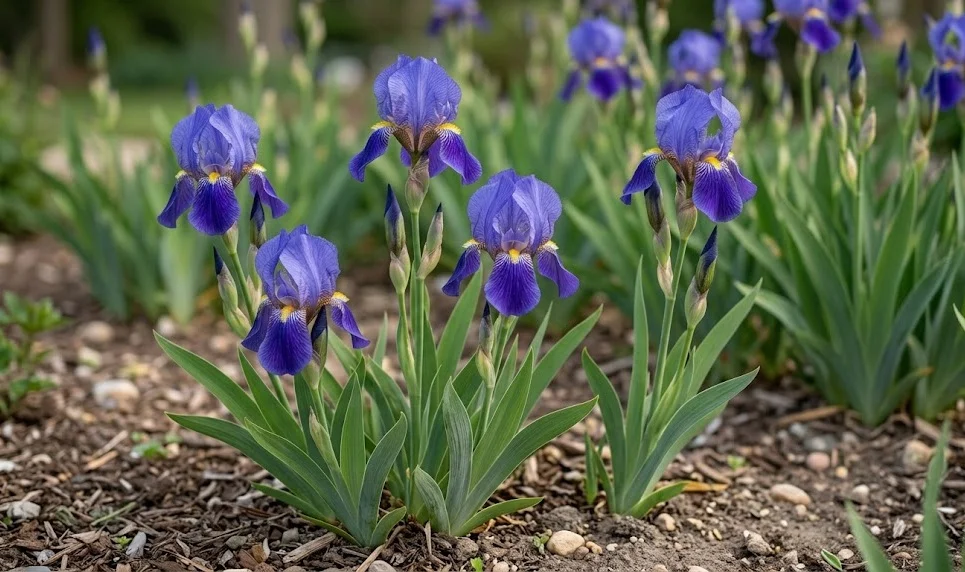

Maintaining the health of these perennials requires a deep understanding of their specific growth cycles and environmental preferences. While they are often considered hardy, the most impressive floral displays come from plants that receive consistent and thoughtful attention throughout the growing season. You should focus on balancing the needs of the rhizomes with the aesthetic requirements of the foliage to ensure a healthy garden specimen. This guide provides a comprehensive overview of the necessary steps to achieve peak performance from your garden irises.
Soil health and aeration
The foundation of any successful perennial garden lies in the quality of the substrate provided to the roots. For these specific plants, you must ensure the soil is loose enough to allow the rhizomes to breathe and expand without restriction. Heavy clay soils can be particularly problematic as they trap moisture and prevent oxygen from reaching the delicate root system. You can improve these conditions by incorporating organic matter or coarse sand to enhance the overall structure of the earth.
Aeration is not just about the initial planting phase but also involves ongoing maintenance of the surrounding area. You should periodically check for soil compaction, especially in high-traffic zones or after heavy rainfall events. Breaking up the surface crust allows water to penetrate more effectively and prevents the formation of anaerobic pockets. This simple mechanical intervention can significantly reduce the risk of root issues later in the season.
Proper drainage is a non-negotiable factor when you are managing these tall, elegant flowers. The rhizomes are susceptible to fungal and bacterial pathogens if they sit in standing water for extended periods. You should observe your garden after a storm to identify any areas where puddles persist for more than a few hours. If the drainage is poor, consider creating raised beds or modifying the slope of the terrain to divert excess moisture away.
Microbial activity within the soil also plays a vital role in the long-term vitality of the plants. Healthy soil is a living ecosystem that helps break down organic materials into usable nutrients for the iris. You should avoid over-applying harsh chemical treatments that might disrupt this natural balance of beneficial bacteria and fungi. Encouraging a diverse soil biome will result in more resilient plants that can better withstand environmental stressors.
More articles on this topic
Environmental stress management
Fluctuating weather patterns can place a significant burden on the energy reserves of your perennials. You should monitor temperature shifts during the transition periods of spring and autumn to anticipate potential issues. Sudden frost during the early growth stage can damage the emerging leaves and stall the development of flower buds. Providing temporary cover or ensuring proper site selection can mitigate many of these atmospheric risks.
High temperatures and intense summer heat also require a proactive management approach to keep the plants looking their best. While they enjoy the sun, extreme heat can lead to scorched foliage and premature dormancy if the roots are not kept cool. You should ensure there is adequate airflow around the plants to lower the ambient temperature and reduce humidity levels. This creates a microclimate that is much more conducive to healthy growth and sustained blooming.
Wind damage is another factor that you must consider, especially for the taller varieties that produce heavy flower heads. Strong gusts can snap the stalks or cause the entire plant to lean, which stresses the rhizome connection. You should consider planting them in sheltered locations or providing subtle mechanical support if your garden is prone to high winds. Staking should be done carefully to avoid piercing the rhizomes or restricting the natural movement of the stems.
Urban environments present unique challenges such as pollution and limited space which you must navigate carefully. Dust and debris can accumulate on the broad leaves, potentially interfering with the process of photosynthesis over time. You should occasionally rinse the foliage with a gentle spray of water to keep the pores clear and the plant healthy. This simple act of hygiene can make a noticeable difference in the overall vigor of the iris.
More articles on this topic
Foliage maintenance and hygiene
The leaves of the plant serve as the primary engine for energy production through photosynthesis throughout the year. You should resist the urge to cut back green foliage immediately after the blooming period has concluded for the season. These leaves are busy collecting solar energy and storing it in the rhizome for the next year’s growth. Removing them too early can significantly weaken the plant and result in fewer flowers in the future.
Hygiene is critical in preventing the spread of common garden pathogens that often target the dense foliage clumps. You should regularly inspect the leaves for signs of spotting, discoloration, or any unusual textures that might indicate trouble. Removing damaged or yellowing leaves as they appear helps maintain a clean environment and improves air circulation. Always use sharp, sterilized tools when performing any maintenance to prevent the cross-contamination of different plants.
Competing vegetation can also sap the strength of your irises if left unchecked for too long. You should maintain a clear zone around the base of the plants to ensure they are not fighting for space or light. Weeds can harbor pests and create a humid environment that encourages fungal growth near the sensitive rhizomes. Hand-pulling is generally the safest method to remove these invaders without damaging the shallow root system.
As the season progresses, the older leaves at the base of the fan will naturally begin to decline and turn brown. You should gently pull these away once they are completely dry to keep the garden looking tidy and organized. This practice also removes potential hiding spots for small insects that might feed on the plant. Keeping the area clear of decaying organic matter is one of the most effective ways to promote long-term plant health.
Rhizome health monitoring
The rhizome is the most critical part of the plant, acting as both the anchor and the storage unit for nutrients. You should ensure that the top of the rhizome remains slightly exposed to the air and sunlight rather than buried deep. This exposure helps prevent rot and allows the plant to benefit from the natural drying effect of the environment. If you notice that soil or mulch has washed over the rhizomes, gently brush it away to restore the proper depth.
Checking the firmness of the rhizome is a quick way to assess the internal health of your perennial specimens. A healthy rhizome should feel solid and heavy, much like a fresh potato or a piece of ginger root. You should be concerned if you encounter soft spots or areas that feel hollow or mushy when pressed gently. Early detection of soft rot can allow you to save the plant by removing the affected tissue before it spreads.
Overcrowding is a natural result of healthy growth, but it can eventually lead to a decline in bloom quality. You should monitor the density of the clumps and plan to intervene every three to four years to maintain vitality. When the center of a clump stops producing flowers, it is a clear signal that the rhizomes have become too congested. Dividing the plants ensures each individual has enough resources to thrive and produce large, vibrant flowers.
Physical damage to the rhizomes can occur during routine garden maintenance or from animal activity in the area. You should inspect the exposed portions for any cuts, gouges, or signs of boring insects that might have entered the tissue. Treating small wounds with a dusting of sulfur can help seal the area and prevent pathogens from gaining a foothold. Protecting the structural integrity of the rhizome is essential for the longevity of the entire plant colony.
Nutrient balance strategy
Providing the right balance of minerals is essential for producing strong stems and vibrant, colorful petals. You should focus on fertilizers that are lower in nitrogen and higher in phosphorus and potassium for the best results. Excess nitrogen can lead to lush green growth but often results in soft, weak tissues that are prone to disease. A balanced approach ensures the plant grows at a sustainable rate while focusing energy on floral development.
The timing of nutrient application is just as important as the chemical composition of the fertilizer you choose. You should apply a light feeding in the early spring as the new growth begins to emerge from the ground. This gives the plant a boost as it enters its most active phase of the yearly lifecycle. Avoid feeding late in the summer, as this can encourage new growth that won’t have time to harden off before winter.
Soil testing is a professional tool that you can use to take the guesswork out of your fertilization routine. Knowing the exact levels of existing nutrients allows you to tailor your amendments to the specific needs of your garden. You might find that your soil is already rich in certain minerals and only requires minor adjustments to reach the ideal state. This precision saves money and prevents the environmental impact of over-fertilization.
Trace elements such as iron, magnesium, and boron are also necessary, albeit in much smaller quantities than the primary nutrients. You should look for symptoms like yellowing between the veins of the leaves, which can indicate a specific deficiency. Incorporating high-quality compost or specialized micro-nutrient sprays can resolve these issues and restore the plant to health. Healthy foliage is a clear indicator that the nutritional strategy you have implemented is working effectively.
Seasonal transitions
The transition from the dormant winter period to the active spring growth is a high-energy time for your garden. You should clear away any winter protective mulch as soon as the threat of extreme cold has passed. Allowing the sun to warm the soil directly encourages the rhizomes to wake up and begin their annual cycle. Observing the first green tips is an exciting moment that signals the start of the gardening year.
As spring turns into summer, the focus shifts from growth to the maintenance of the spectacular floral display. You should keep a close eye on the hydration levels during this period, especially as the temperatures begin to climb. While the iris is drought-tolerant, it will perform much better if it does not experience severe water stress while blooming. Consistent care during the peak season ensures the flowers last as long as possible.
The post-bloom period is a time of recovery and preparation for the following year’s growth cycle. You should continue to provide basic care even though the most visually stunning part of the plant’s life has passed. This is when the plant is doing the hard work of building up its reserves for the next spring. Neglecting the plants during the late summer can lead to a disappointing performance in the upcoming season.
When autumn arrives, you should begin the process of tidying up the garden in anticipation of the coming cold. Removing dead stalks and cleaning the area around the base of the plants reduces the chances of pests overwintering nearby. You should also take this time to evaluate the performance of each plant and decide if any changes are needed. Proper autumn care sets the stage for a successful and healthy dormancy period.
Long-term garden integration
Integrating these perennials into a larger landscape design requires an understanding of their visual and biological impact. You should consider how their unique sword-like foliage contrasts with other textures in your flower beds. They work exceptionally well when planted in groups, creating a bold architectural statement that defines the space. Planning for their mature size ensures they have the room they need to display their full beauty.
Companion planting can enhance the health of your irises while providing a continuous sequence of color in the garden. You should choose neighbors that have similar light and soil requirements but do not compete too aggressively for space. Deep-rooted plants can coexist well with the shallow rhizomes of the iris by utilizing different levels of the soil. This diversity creates a more stable and resilient garden ecosystem that is easier to manage.
Maintaining records of your garden’s progress is a habit that will serve you well over many years. You should note the blooming dates, the success of specific varieties, and any challenges you encountered during the season. This information allows you to make informed decisions about when to divide plants or move them to better locations. Professional gardeners rely on these observations to refine their techniques and improve their results over time.
Finally, you should always be looking for ways to share the joy of these plants with other enthusiasts. Dividing healthy clumps provides an excellent opportunity to gift rhizomes to friends or trade for new varieties. This community aspect of gardening is one of the most rewarding parts of maintaining a beautiful and productive landscape. By following these expert care guidelines, you ensure that your garden remains a source of pride and beauty for years to come.