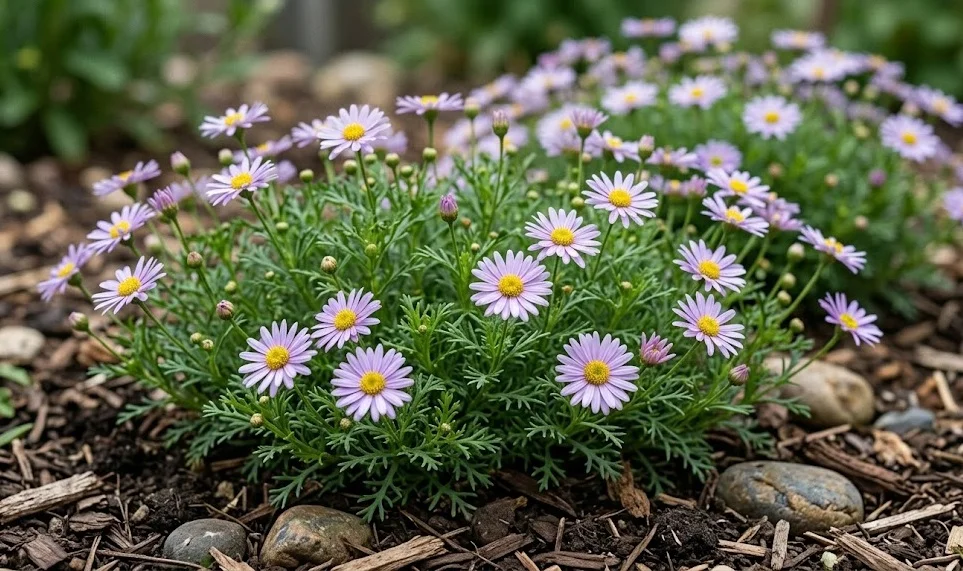

Pruning an Australian daisy is not just about maintaining its size; it is a fundamental technique for directing the plant’s energy and improving its overall structure. When the plant is still young and only a few inches tall, the practice of “pinching” is highly recommended by professional horticulturists. This involves removing the very tip of the main growing stem, which breaks the plant’s apical dominance and stimulates the growth of lateral branches. The result is a much bushier, more compact plant that will eventually produce many more flowers than one left to grow naturally.
By forcing the plant to branch out early, you are building the foundation for a sturdy and well-balanced mound of foliage. This structural integrity is important later in the season when the plant is heavy with hundreds of blooms and might otherwise split or flop over. Pinching should be done with clean fingers or a small pair of sterilized snips to avoid introducing any pathogens into the open wound. It is a quick and simple task that makes a world of difference in the final appearance of the plant.
Most professionals repeat this process once or twice during the first few weeks of the growing season to ensure maximum density. While it might feel counterintuitive to remove healthy growth, the long-term benefits far outweigh the temporary loss of height. A pinched plant will have a much more professional, “finished” look once it reaches maturity in the garden bed or container. This is a secret shared by top-tier growers for creating those perfect globes of color seen in professional catalogs.
Observing the plant’s response to pinching also helps the gardener understand its growth rate and vigor. Some varieties may respond more aggressively than others, requiring slightly different levels of intervention. This hands-on approach fosters a deeper connection between the gardener and the plant, allowing for more precise care throughout the season. Early investment in pruning pays off in a spectacular and structurally sound display that lasts for months.
Mid-season rejuvenation and deadheading
As the season progresses into the heat of summer, the Australian daisy can sometimes start to look a bit tired or “stretched out.” This is the perfect time for a mid-season rejuvenation prune, which involves cutting back the entire plant by about one-third of its height. This might seem drastic, especially if the plant is still in bloom, but it will stimulate a fresh flush of healthy green foliage and a new wave of flowers. Within a week or two, the plant will look revitalized and ready to continue its display well into the autumn.
More articles on this topic
Deadheading, or the removal of spent flowers, is another form of pruning that should be performed regularly throughout the summer. This prevents the plant from putting energy into developing seeds, which signals the end of its life cycle. Instead, the plant is tricked into continuing to produce more buds in an effort to reproduce. For the Australian daisy, this is particularly effective because of its prolific nature; a little bit of deadheading goes a long way in maintaining the color.
Professional gardeners often use a pair of sharp, clean scissors to quickly trim off the dead flowers just above the next set of leaves. This keeps the plant looking neat and prevents the accumulation of brown, decaying tissue that could attract pests or diseases. It also provides an opportunity to inspect the plant closely for any other issues that might need attention. A well-maintained daisy mound should always look fresh and vibrant, never cluttered with old, faded blooms.
If the plant has become excessively leggy due to a period of lower light or high heat, a more aggressive cut-back may be necessary. In these cases, reducing the stems by half can help to reset the growth and encourage a more compact habit. Always ensure the plant is well-watered and given a light feeding after such a significant pruning to help it recover quickly. This proactive management is the key to extending the productive life of the Australian daisy through the entire growing season.
Cleaning techniques and tool maintenance
The final aspect of a professional pruning routine is the cleanup of the plant and the proper maintenance of the tools used. After any pruning session, it is important to remove all the clippings from the surrounding soil to prevent the buildup of mold or the harboring of pests. These clippings can be added to a compost pile if they are healthy, or disposed of if there is any sign of disease. A clean garden bed is a healthy garden bed, and this attention to detail is a hallmark of an expert.
More articles on this topic
Sterilizing your pruning tools between different plants is a critical step that many hobbyists overlook. Diseases can easily be spread from one plant to another on the blades of dirty scissors or snips. A simple wipe with a solution of seventy percent isopropyl alcohol or a mild bleach solution is sufficient to kill most pathogens. This practice protects your entire garden collection and is a standard procedure in professional greenhouses and botanical gardens.
Keeping your tools sharp is also essential for making clean, precise cuts that heal quickly. A dull blade will crush the stem tissue rather than slicing it, which creates a jagged wound that is more susceptible to infection. Regular sharpening and oiling of your pruning shears will make the work easier for you and better for the plants. Investing in high-quality tools and taking care of them is a sign of a gardener who takes their craft seriously.
Finally, pruning should always be done with a clear goal in mind, whether it is to improve health, shape, or flower production. Avoid mindless trimming; instead, take a moment to look at the plant from different angles before making a cut. This thoughtful approach ensures that every intervention is a benefit to the Australian daisy and contributes to the beauty of the overall garden design. Professional pruning is a blend of science and art that enhances the natural charm of these delightful flowers.