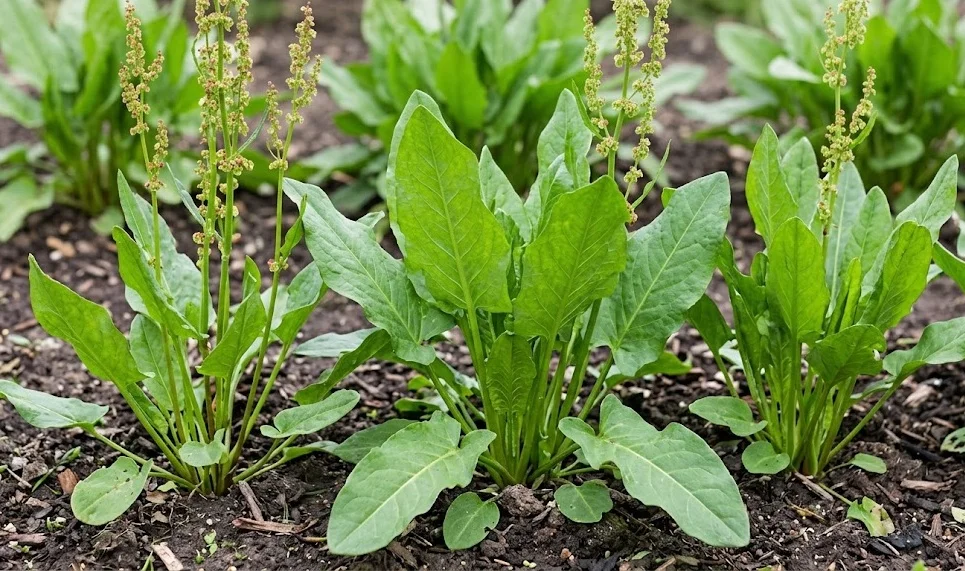

Providing the correct amount of water is one of the most important aspects of maintaining a healthy and productive sorrel crop. Because the plant produces large, succulent leaves, it has a relatively high transpiration rate and can wilt quickly during dry spells. The goal of a professional irrigation plan is to keep the soil consistently moist but never saturated or waterlogged. Deep watering encourages the development of a robust taproot that can access moisture from deeper within the soil profile.
The frequency of irrigation will depend largely on the weather conditions, soil type, and the age of the plants. Sandy soils will require more frequent, lighter applications of water, whereas clay soils may need less frequent but deeper watering. During the peak of summer, you may need to water your plants every day or two to prevent them from becoming stressed. Observing the foliage for signs of wilting is a good way to gauge when it is time to turn on the hose or irrigation system.
Early morning is the ideal time to water because it allows the leaves to dry before nightfall, which significantly reduces the risk of fungal diseases. If you water in the evening, the moisture can sit on the leaves for many hours, creating a perfect environment for pathogens. Using a soaker hose or drip irrigation system is highly recommended because it delivers water directly to the root zone. This method minimizes evaporation and keeps the foliage dry, leading to a much healthier crop overall.
Overwatering can be just as damaging as drought because it excludes oxygen from the soil and leads to root rot. If you notice that the leaves are turning yellow and the soil feels muddy, you should reduce the frequency of irrigation immediately. Implementing a moisture monitoring system can help you make more informed decisions about when to water. A professional approach to irrigation balances the needs of the plant with the physical characteristics of the garden environment.
Nutrient requirements for leaf production
Sorrel is primarily grown for its foliage, which means that nitrogen is the most important nutrient in its fertilization program. Nitrogen is responsible for the lush, green growth and the rapid expansion of the leaves after each harvest. However, it is important to provide a balanced range of minerals to ensure the overall health and structural integrity of the plant. Phosphorus and potassium are also necessary for root development and disease resistance within the perennial herb.
More articles on this topic
The most effective way to provide nutrients is by incorporating plenty of organic matter into the soil before planting and as a top-dressing. Well-composted manure or high-quality garden compost provides a slow-release source of minerals that sustains the plant over a long period. These amendments also improve the soil’s ability to hold moisture and support beneficial microbial life. In many cases, a rich organic soil will provide all the nutrients necessary without the need for synthetic additives.
If you choose to use concentrated fertilizers, it is best to apply them in small amounts several times throughout the growing season. A high-nitrogen liquid feed can be used every few weeks during the peak production months to boost leaf growth. Always follow the manufacturer’s instructions regarding application rates to avoid burning the delicate roots or causing nutrient imbalances. Professional growers often use soil testing to determine exactly which minerals are lacking before applying any amendments.
Micronutrients like magnesium and iron also play a role in the health of the plant, though they are needed in much smaller quantities. A deficiency in these minerals can lead to chlorosis, where the leaves turn pale while the veins remain green. Using a seaweed-based fertilizer or a trace element spray can quickly correct these issues and restore the vibrancy of the foliage. Maintaining a balanced nutritional profile ensures that the sorrel remains flavorful and packed with vitamins for the consumer.
Soil amendments and organic matter
Improving the soil structure through the addition of organic matter is a long-term strategy for success in any agricultural endeavor. Organic matter acts like a sponge, holding onto water and nutrients that would otherwise wash away through the soil profile. It also helps to break up heavy soils, allowing for better aeration and easier root penetration for the deep-growing sorrel. Adding a layer of compost each spring is a standard practice for professional gardeners looking to maintain soil vitality.
More articles on this topic
Leaf mold is an excellent soil conditioner that can be easily made from the fallen leaves of deciduous trees in the autumn. It is particularly good at improving the water-holding capacity of the soil and providing a habitat for beneficial soil organisms. While it is lower in nutrients than manure, its physical benefits to the soil structure are immense. Mixing leaf mold into the planting beds creates a friable texture that makes maintenance tasks like weeding and harvesting much easier.
Green manures can be grown during the winter months or between crops to add organic matter and fix nitrogen in the soil. Plants like clover or vetch are often used for this purpose and are simply tilled into the earth before they go to seed. As they decompose, they release a significant amount of nutrients and improve the overall biological activity of the garden. This sustainable approach to soil management reduces the reliance on external inputs and builds a more resilient system.
Bone meal and kelp meal are other organic amendments that can be used to provide specific nutrients like phosphorus and trace minerals. These materials break down slowly, providing a steady supply of nourishment to the perennial plants over several months. Using a variety of organic inputs ensures a broad spectrum of minerals and supports a diverse ecosystem within the soil. A healthy soil leads directly to healthy plants that are more resistant to pests and environmental challenges.
Managing fertilizer application timing
Timing is everything when it comes to fertilizing your sorrel to achieve the best possible results and minimize waste. The first application should typically occur in the early spring as soon as the first new shoots begin to emerge from the crown. This provides the necessary energy for the rapid growth that occurs as the days become longer and the soil warms up. Applying fertilizer too early in the winter is wasteful as the nutrients can leach away before the plant is ready to use them.
A secondary application can be beneficial mid-season, especially if you have been harvesting the leaves heavily for several months. This helps the plant recover and continue producing high-quality foliage into the late summer and autumn. If the growth rate seems to be slowing down or the leaves are becoming smaller, it may be a sign that the nutrient levels have been depleted. Always water the plants thoroughly after applying dry fertilizers to help move the nutrients down into the root zone.
Avoid heavy fertilization in the late autumn, as this can encourage soft, succulent growth that is more susceptible to frost damage. You want the plant to naturally transition into a dormant state as the temperatures drop toward the end of the year. During the winter months, no fertilizer is needed as the plant’s metabolic activity is significantly reduced. This seasonal rhythm allows the plant to rest and prepare for another productive year in the spring.
Keep a garden journal to record the dates and types of fertilizers you apply, along with the subsequent response of the plants. This data will help you refine your fertilization schedule over time and identify the most effective products for your specific site. Every garden is unique, and what works well in one location may not be ideal for another due to differences in soil chemistry. Professional management requires a commitment to observation and continuous improvement based on real-world results.
Monitoring for nutrient imbalances
Professional growers must be able to recognize the visual symptoms of nutrient deficiencies and toxicities to take corrective action quickly. Yellowing of the older leaves while the rest of the plant remains green often indicates a nitrogen deficiency. If the leaves develop a purple or reddish tint, it could be a sign that the plant is struggling to take up enough phosphorus. These symptoms should be investigated immediately by checking the soil pH and moisture levels, as these factors affect nutrient availability.
Over-fertilization can also cause significant problems, such as a buildup of salts in the soil which can dehydrate and burn the roots. Excess nitrogen can lead to overly rapid growth that is weak and highly attractive to pests like aphids and slugs. It can also reduce the flavor intensity of the leaves, making them taste bland instead of having the characteristic tartness. Striking the right balance is essential for producing a crop that is both healthy and of high culinary quality.
Regular soil testing is the most accurate way to monitor the mineral balance in your garden and avoid the guesswork of fertilization. A professional laboratory analysis will provide a detailed breakdown of the available nutrients and the current pH level of your soil. Armed with this information, you can create a targeted amendment plan that addresses specific needs without wasting resources. Testing every two to three years is generally sufficient for a well-maintained perennial herb bed.
The overall appearance and vigor of the plant are the best indicators of a successful watering and fertilizing program. A healthy sorrel plant should have large, vibrant leaves with a firm texture and no unexplained discoloration or spotting. If the plants look robust and are producing consistently, you can be confident that your management techniques are working effectively. Professionalism in the garden is demonstrated through the health and productivity of the crops under your care.