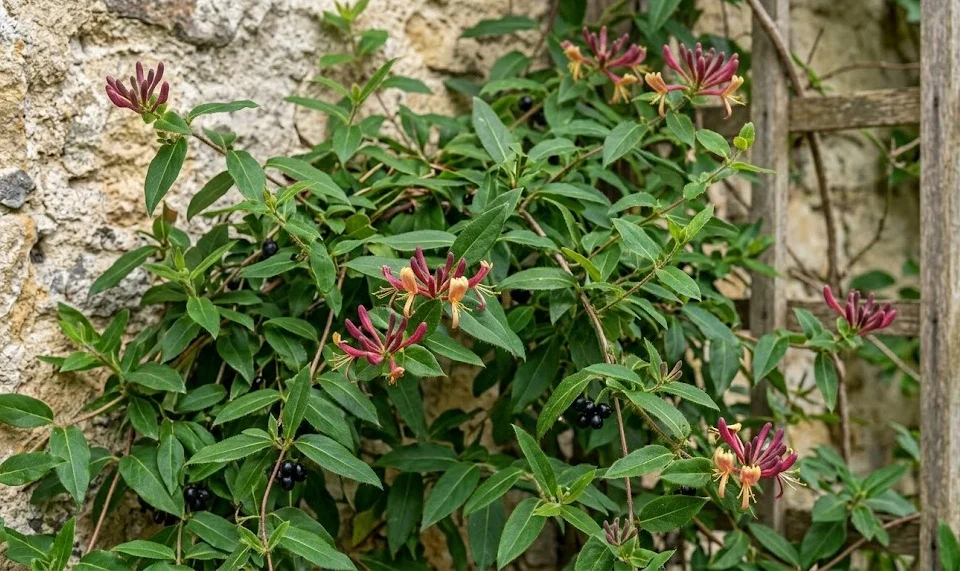

Mastering the art of pruning Henry’s honeysuckle is essential for controlling its vigorous growth and maintaining structural beauty. Without regular intervention, this enthusiastic evergreen climber can quickly become a tangled mass of unproductive wood. Pruning not only shapes the vine but also stimulates the production of fresh, healthy foliage deep within the canopy. Implementing correct cutting techniques ensures that the plant remains a neat, high-performing element of your landscape design.
The primary goal of routine maintenance pruning is to remove dead, damaged, or diseased wood immediately. These non-functional stems sap no energy but can harbor pests and block light from reaching healthy leaves. Eliminating them improves the overall air circulation within the dense, interwoven network of branches. Regular cleanups keep the interior framework healthy, preventing the build-up of dry, hazardous organic debris.
Understanding the plant’s flowering habits is crucial before executing any major pruning cuts across the canopy. This honeysuckle produces flowers primarily on the growth generated during the current season rather than old wood. Therefore, heavy pruning should be timed carefully to avoid accidentally removing future blossom buds before they open. A balanced approach preserves both the structural form and the subtle aesthetic charms of the summer blooms.
Always use high-quality, sharp pruning tools to ensure clean cuts that heal rapidly without tearing bark. Dull blades crush the delicate vascular tissues, creating ragged wounds that are highly susceptible to fungal infections. Disinfecting your equipment between plants prevents the accidental spread of pathogens across different garden areas. This basic horticultural discipline protects the long-term health of your entire collection.
Optimal timing and execution of structural cuts
The ideal window for major structural pruning opens in the late winter or very early spring months. During this period, the vine is in a semi-dormant state, minimizing the physiological shock caused by cutting. Pruning before the sap begins to rise vigorously prevents excessive bleeding from the open structural wounds. It also allows the gardener to see the bare framework clearly before fresh spring leaves obscure vision.
More articles on this topic
When making a cut, always position the blades at a slight angle just above a healthy bud node. The angle should slope away from the bud to allow rainfall to drain off cleanly rather than pooling. Pooling water creates a humid microclimate that invites rot directly into the newly exposed center of the stem. Cutting too close to the bud can damage it, while leaving too long a stub invites dieback.
Thinning out crowded areas is necessary to allow sunlight to penetrate deep into the lower sections of the vine. Selectively remove every third or fourth old stem down to the main base framework to encourage rejuvenation. This technique prevents the common problem of a top-heavy vine with completely bare lower branches. A well-illuminated canopy maintains vibrant green leaves from the ground all the way to the top.
Lateral shoots can be shortened safely by up to two-thirds of their length to maintain a tidy appearance along fences. This trimming forces the vine to produce more compact branching, resulting in a denser privacy screen over time. Avoid shearing the outer surface uniformly, as this creates an unnatural, stiff appearance that detracts from its elegance. Hand-pruning individual stems yields the most natural, attractive, and professional results in the landscape.
Renovation techniques for overgrown honeysuckle vines
Neglected vines can occasionally grow out of bounds, swallowing adjacent structures and smothering nearby ornamental plants. In these extreme cases, a severe rejuvenation pruning may be required to regain complete control of the space. This process involves cutting the entire plant back significantly to a height of approximately two to three feet from the ground. While drastic, this hard pruning utilizes the plant’s deep root reserves to trigger a fresh start.
More articles on this topic
Execute this radical renovation in early spring to give the plant a full growing season to recover from the shock. Apply a rich layer of organic compost and water deeply immediately after completing the heavy cuts. The sudden loss of top growth will stimulate dormant buds along the old woody base to burst into life. Within a few months, a flush of vigorous new shoots will begin to climb rapidly.
An alternative, less stressful approach to renovation involves spreading the hard cuts across a three-year plan. Each year, remove one-third of the oldest, heaviest woody stems right down to the ground level. This gradual method maintains a partial green screen while slowly replacing old wood with productive young growth. It is highly recommended for older, valuable specimens that might struggle to recover from a single drastic cut.
Training the fresh shoots that emerge after a renovation is critical to establish a well-organized future framework. Space the new stems evenly across the trellis, securing them gently to prevent overlapping or tangling early on. This careful guidance ensures that the rejuvenated vine develops an optimal structure that maximizes light penetration and air circulation. With proper follow-up care, your honeysuckle will remain a healthy, manageable masterpiece for many decades.