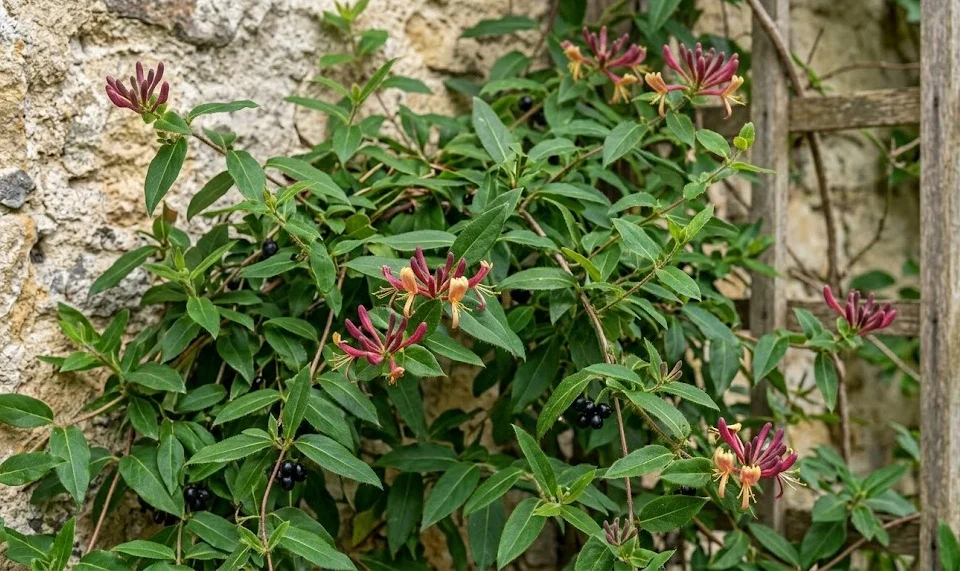

Caring for Henry’s honeysuckle requires an understanding of its unique evergreen climbing nature. This resilient vine can transform fences and trellises into lush green blankets throughout the entire year. Gardeners appreciate its ability to withstand urban environments while maintaining vibrant, elongated foliage. Establishing a robust foundation ensures that the plant thrives across changing seasonal conditions.
The vigorous growth habit of this climber demands consistent monitoring to prevent it from overwhelming adjacent vegetation. Its twining stems naturally seek upward support, winding tightly around any available framework. Providing structural guidance early in its development prevents tangled, unmanageable masses of vines. Regular observations help identify which sections require manual redirection or subtle securing to the designated trellis.
Maintaining the structural integrity of the surrounding landscape is a key aspect of managing this plant. While it is not inherently destructive, its dense weight can stress flimsy wooden structures over time. Choosing durable materials like iron wrought arches or heavy-duty wire mesh prevents unexpected collapses. Checking the stability of these supports annually guarantees a safe environment for both the vine and the gardener.
The aesthetic appeal of this honeysuckle lies in its glossy, deep green leaves that persist through winter. To preserve this vibrant coloration, growers must focus on overall vine health and vigor. Minor imperfections can be addressed during routine checks without disrupting the natural flow of the plant. A holistic approach to its daily environment yields the most rewarding display of foliage and occasional blossoms.
Creating the ideal substrate balance
The root system of Henry’s honeysuckle thrives best in conditions that mimic its native woodland habitats. A well-drained soil rich in organic matter provides the necessary nutrients for continuous upward expansion. Heavy clay environments should be amended with compost or coarse sand to improve overall aeration. Ensuring adequate pore space within the substrate allows the roots to breathe and absorb moisture efficiently.
More articles on this topic
Soil acidity plays a subtle yet significant role in the overall nutrient uptake of this vigorous climber. It generally prefers a neutral to slightly acidic pH range to maximize its metabolic functions. Regular testing can reveal potential deficiencies before they manifest as yellowing leaves or stunted growth. Simple adjustments using agricultural lime or sulfur can bring unbalanced soil back into the optimal range.
Compacted ground presents a major challenge for establishing young vines in newly developed garden beds. Loosening the soil deeply around the intended planting site encourages rapid, unhindered root penetration. Incorporating aged manure or leaf mold enhances the structural quality of the surrounding earth. This preparation creates a welcoming zone where the young root system can anchor itself securely.
The moisture-retention capacity of the ground must be carefully balanced to prevent waterlogging. While the vine enjoys consistent subterranean humidity, stagnant water around the root collar induces decay. Elevating the planting bed slightly can mitigate drainage issues in low-lying garden areas. Proper site selection remains the most effective preventative measure against root-related complications.
Structural support and training techniques
Training the climbing stems early determines the ultimate shape and coverage of the mature vine. Gardeners should gently weave young shoots through the openings of the chosen support system. Soft garden twine provides excellent temporary security without cutting into the delicate, expanding bark. This initial guidance establishes an organized growth pattern that maximizes sunlight exposure for all leaves.
More articles on this topic
As the vine ages, the primary woody stems become significantly heavier and less flexible. It is essential to ensure that the main framework can bear this increasing weight without sagging. Metal cables or sturdy wooden trellises offer the durability required for long-term cultivation. Periodically inspecting the attachment points prevents structural failures during heavy summer storms or winter snows.
Air circulation within the dense canopy is maintained by preventing excessive overlapping of branches. Directing new growth horizontally across the trellis encourages lateral branching and fuller coverage. This technique also prevents the bare bottom syndrome common in many neglected climbing plants. A well-distributed framework allows light to reach the lower sections of the plant effortlessly.
Wall-mounted trellises should ideally feature a small gap between the structure and the masonry. This space facilitates airflow, reducing the risk of fungal developments on the hidden foliage. It also protects the building’s exterior from direct moisture retention caused by dense leaf contact. Simple spacers installed during trellis setup provide this invaluable protective boundary for the home.
Enhancing performance through mulching
Applying a thick layer of organic mulch around the base provides numerous agronomic benefits. Shredded bark or decomposed leaves serve as an excellent protective barrier against extreme soil temperatures. This insulation keeps the root zone comfortably cool during scorching summer afternoons. It also minimizes moisture evaporation, reducing the necessity for frequent, repetitive irrigation cycles.
Weed suppression is another critical advantage offered by a well-maintained mulch layer. Invasive weeds compete directly with the honeysuckle for valuable soil nutrients and shallow water reserves. A uniform blanket blocks sunlight from reaching dormant weed seeds, preventing their germination entirely. This reduction in competition allows the primary climber to utilize all available subterranean resources.
As the organic mulch decomposes, it gradually enriches the topsoil with vital humic substances. This natural breakdown improves soil structure, encouraging beneficial microbial activity near the roots. Earthworms and helpful bacteria thrive under these conditions, naturally aerating the surrounding earth. Replenishing the mulch layer each spring ensures continuous nutrient cycling and structural soil improvement.
Care must be taken to keep the mulch a few inches away from the actual base of the stems. Piling organic material directly against the bark creates a humid microclimate that invites fungal pathogens. A clear ring around the main collar prevents localized rot and deters small rodents from gnawing on the wood. This simple spatial adjustment maintains the health of the primary circulatory pathways.
Companion planting and spatial harmony
Selecting appropriate companion plants enhances both the aesthetic value and the health of the garden ecosystem. Low-growing perennials that enjoy partial shade can shield the base of the honeysuckle effectively. Ferns, hostas, or delicate coral bells provide beautiful visual contrast while keeping the root zone shaded. This symbiotic spatial arrangement mimics natural woodland edges where these species naturally evolve together.
Aggressive ground covers should be avoided near the immediate root zone of young honeysuckle vines. Vigorous turfgrasses can also sap nutrients if allowed to grow directly up to the main trunk. Creating a dedicated garden bed boundary keeps competitive root systems at a safe distance. This zoning strategy gives the young climber the best possible start without resource conflicts.
Tall deciduous trees can serve as excellent natural supports if their lower canopy is sufficiently high. The honeysuckle will naturally scale the trunk, creating a beautiful vertical display of evergreen foliage. However, gardeners must ensure that the tree does not cast an absolute, impenetrable shadow. Balancing the light penetration guarantees that both the host tree and the climber remain healthy.
Color coordination with neighboring flowering shrubs creates a visually stunning backdrop during the summer months. Choosing companions that bloom at different times ensures a prolonged period of interest in the garden section. The deep green backdrop of the honeysuckle intensifies the bright colors of nearby roses or clematis. Strategic planning transforms a simple climbing vine into an integrated masterpiece of landscape design.
Optimizing canopy health and aesthetics
A healthy canopy reflects the overall internal balance and nutritional status of the climbing plant. Regular inspections of the upper foliage reveal early signs of physiological stress or environmental imbalances. Dust and pollution can accumulate on the glossy leaves in urban areas, reducing photosynthetic efficiency. Occasional overhead rinsing with clean water restores the natural luster and functionality of the leaves.
Yellowing of older inner leaves is often a natural process as the plant sheds inefficient foliage. However, widespread discoloration across the exterior canopy signals a need for immediate diagnostic attention. Ensuring that light reaches deep into the interior prevents premature leaf drop and hollow-looking vines. Thinning out excessive tangles promotes a balanced distribution of energy throughout the entire organism.
Wind protection is a variable that growers should consider when choosing the ultimate planting location. Strong, freezing winter winds can cause desiccation, turning the margins of the evergreen leaves brown. Placing the vine near a protective wall or windbreak mitigates this environmental mechanical damage significantly. A sheltered position preserves the pristine appearance of the foliage throughout the challenging winter months.
The occasional flowers produced by this species provide a delicate charm and attract local pollinators. Encouraging these blooms requires maintaining a steady state of health without over-stimulating pure vegetative growth. Balanced care routines result in a harmonious ratio between lush green foliage and subtle floral accents. Nurturing this balance elevates the ecological value of the garden space immensely.
Long-term management of mature specimens
As Henry’s honeysuckle reaches maturity, its management shifts from establishment to structural maintenance. Mature vines develop thick, twisted woody bases that possess an architectural beauty of their own. These old stems require sturdy anchoring to ensure they do not pull away from the wall. Proper long-term care preserves these structural foundations while encouraging youthful, productive upper growth.
Renovation may become necessary if a mature vine is left unmanaged for several consecutive years. Overgrown specimens can form heavy, top-heavy mats that block light from their own lower branches. A planned approach to thinning ensures the plant recovers without experiencing severe physiological shock. Gradual adjustments over two seasons are generally safer than drastic, single-day clearances.
Monitoring the surrounding soil fertility becomes increasingly important as the root system expands deep into the plot. Mature plants extract a significant amount of micronutrients over years of continuous seasonal development. Periodic top-dressing with rich compost replenishes these deep reserves without disturbing the established root network. This consistent replenishment sustains the vine’s legendary vitality decade after decade.
The ultimate reward of sustained care is a magnificent, reliable green screen that provides year-round privacy. It serves as an effective acoustic barrier, softening harsh noises from streets or neighboring properties. Wildlife finds sanctuary within the dense, protective foliage during inclement weather and nesting seasons. Embracing these holistic management practices creates an enduring legacy of natural beauty in the landscape.