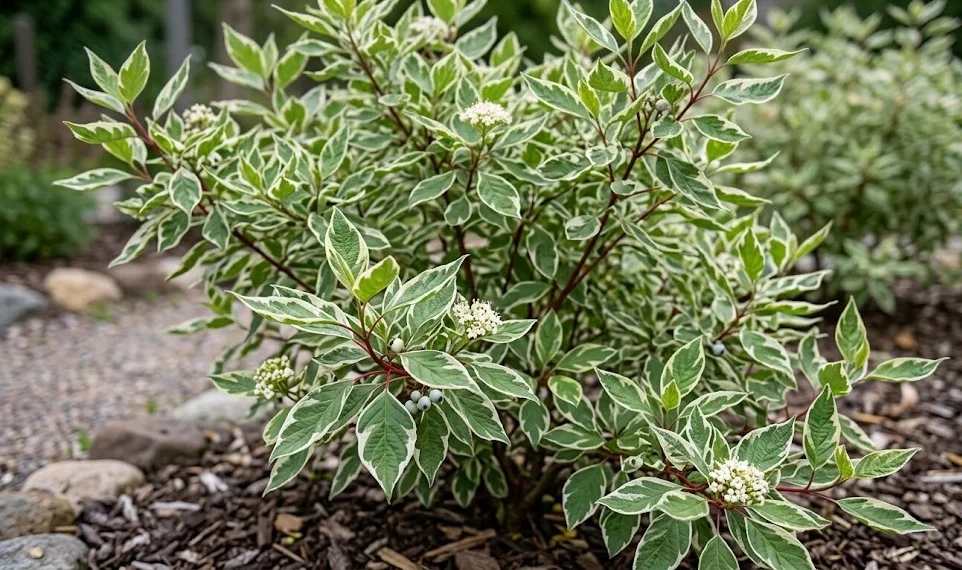

The variegated dogwood is a highly adaptable deciduous shrub that is cherished by gardeners for its striking year-round visual appeal and relatively low maintenance requirements. Its most distinctive feature is the creamy white margins on its green leaves, which provide a bright contrast in any landscape design during the growing season. Beyond the foliage, this plant is famous for its vibrant red stems that become particularly prominent during the winter months when the leaves have fallen. Growing this shrub successfully requires a basic understanding of its preferences regarding soil, moisture, and periodic rejuvenation to maintain its characteristic vigor.
Properly managing the environment around the shrub ensures that the variegation remains crisp and the plant stays healthy throughout the years. While it is a hardy species, it thrives best when it is not subjected to extreme drought or poorly drained, stagnant water conditions. Gardeners should monitor the growth rate and leaf color as primary indicators of the plant’s overall well-being and nutritional status. Establishing a routine care schedule will help prevent common issues and ensure that the shrub serves as a reliable focal point in the garden.
Pruning plays a critical role in the care of this specific variety because the brightest red bark is found on the youngest stems of the plant. Without regular cutting, the older wood tends to turn a dull grayish-brown, which significantly reduces the ornamental value of the shrub during the winter. A professional approach involves a combination of thinning and heading back to encourage a constant supply of new, colorful shoots. This practice not only enhances the aesthetic qualities but also promotes better air circulation within the canopy of the bush.
Mulching is another essential aspect of caring for this dogwood variety as it helps to regulate soil temperature and retain necessary moisture levels. Applying a layer of organic matter around the base of the plant can suppress weed growth which otherwise competes for vital nutrients. It is important to keep the mulch a few inches away from the actual stems to prevent rot and discourage rodents from nesting near the bark. Over time, as the mulch decomposes, it enriches the soil structure and provides a slow-release source of organic nutrients for the roots.
Essential soil conditions and site selection
Selecting the right location is the first step in ensuring the long-term health of your variegated dogwood in a professional landscape. This shrub prefers moist, well-drained soils that are rich in organic matter, although it can tolerate a wide range of soil types including clay. Ideally, the soil should be slightly acidic to neutral to facilitate the best nutrient uptake for the foliage and stems. Avoid planting in areas where water collects for long periods, as this can lead to root issues and reduced growth.
More articles on this topic
Soil preparation before planting can make a significant difference in how quickly the shrub establishes itself in its new home. Incorporating well-rotted compost or leaf mold into the planting hole improves the drainage of heavy soils while increasing the water-holding capacity of sandy ones. Testing the soil pH can provide valuable insights into whether any amendments are needed to reach the ideal range for this species. A healthy root system starts with a loose, nutrient-dense medium that allows for easy expansion and oxygen exchange.
The site should also offer enough space for the shrub to reach its mature size without being crowded by neighboring plants or structures. While it can be maintained at a smaller size through pruning, giving it room to breathe reduces the risk of fungal diseases. Airflow is particularly important for variegated varieties, as their leaves can sometimes be more sensitive to humidity-related spotting. Consider the surrounding plants to ensure that the dogwood has enough light to maintain its bright leaf margins throughout the summer.
Once the site is chosen and the soil is prepared, maintaining the area around the shrub is a continuous part of professional care. Removing fallen leaves from the base of the plant in autumn can help eliminate overwintering sites for various pathogens. Keeping the area clear of aggressive weeds ensures that the dogwood does not have to fight for resources during the peak growing season. Regular observation of the soil moisture levels will guide you on when intervention is necessary to support the plant’s growth.
Strategic pruning for color enhancement
The primary goal of pruning a variegated dogwood is to maximize the production of the bright red stems that define its winter character. Professional gardeners often use a technique called stooling or coppicing, where the entire plant is cut back close to the ground every few years. This drastic measure stimulates the growth of many new stems which will display the most intense coloration in the following winters. This process should ideally be carried out in late winter or very early spring before the new buds begin to swell.
More articles on this topic
If a more natural shape is desired, a selective thinning approach can be used instead of cutting the entire plant to the ground. In this method, about one-third of the oldest stems are removed each year right down to the soil level. This allows the shrub to maintain some height while still encouraging the growth of fresh, colorful wood from the base. Always use sharp, sterilized bypass pruners to ensure clean cuts that heal quickly and do not introduce diseases to the plant.
The timing of pruning is crucial because cutting too late in the spring can sap the plant’s energy and reduce the overall leaf production for that season. By pruning while the plant is still dormant, you minimize stress and allow the shrub to direct all its spring energy into new growth. It is also an excellent time to remove any branches that are crossing, rubbing, or showing signs of damage from the winter. This structural maintenance keeps the shrub looking tidy and professionally managed throughout the entire year.
After pruning, it is beneficial to provide the plant with a bit of extra care to support the rapid regrowth that will follow. Applying a balanced fertilizer and ensuring consistent moisture will help the new stems grow strong and vibrant. You will notice that the new growth is much more flexible and has a smoother bark texture than the older wood. This cycle of renewal is what keeps the variegated dogwood looking youthful and visually striking in a high-quality garden setting.
Managing seasonal growth patterns
Understanding the natural cycle of the variegated dogwood allows for more precise care and better anticipation of its needs. In the spring, the focus is on supporting the emergence of new foliage and the development of the inconspicuous white flowers. This is the period of highest energy demand, so ensuring adequate water and nutrients is paramount for a strong start. The leaves will quickly fill out the canopy, providing the lush, bi-color effect that brightens up shaded corners of the garden.
As summer progresses, the plant focuses on maintaining its foliage and preparing for the dormant months ahead. During periods of extreme heat, the shrub may require supplemental watering to prevent the leaf margins from browning or curling. It is normal for the growth rate to slow down slightly during the hottest weeks as the plant manages its internal resources. Monitoring for pests like aphids or scale during this time can prevent small infestations from becoming larger problems that damage the appearance.
Autumn brings a subtle transition as the leaves may take on a slight reddish or purple tint before they eventually drop. This is the time when the hidden beauty of the red stems begins to reveal itself as the foliage thins out. Reducing nitrogen-heavy fertilization in late summer ensures that the plant does not produce soft, new growth that could be damaged by early frosts. Instead, the plant naturally hardens off its wood, preparing the vibrant stems for their winter display against the snow or bare ground.
In the winter, the shrub enters a period of dormancy, but it remains a structural highlight in the landscape. This is the best time to appreciate the results of your pruning efforts from previous years. The contrast of the red bark against a winter backdrop is one of the most celebrated features of this cultivar. During this time, the maintenance requirements are minimal, allowing the gardener to plan for the upcoming spring and reflect on the plant’s performance.
Nutritional requirements and fertilization
To maintain the bright variegation and vigorous growth of the dogwood, a consistent but moderate feeding schedule is recommended. A balanced, slow-release fertilizer applied in early spring provides the necessary elements for the surge of new growth. Avoid over-fertilizing with high-nitrogen products, as this can lead to excessive green growth that may mask the white variegation. Instead, look for a formula that supports overall plant health, including root development and stem strength.
The application of organic compost around the root zone is often sufficient for established plants in good soil. This method not only provides nutrients but also improves the soil biology, which in turn helps the plant resist various environmental stresses. If the leaves appear pale or the growth is unusually stunted, a soil test may be necessary to identify specific mineral deficiencies. Correcting these imbalances professionally ensures that the plant has everything it needs to thrive without being pushed too hard.
It is best to apply fertilizers to moist soil to avoid burning the fine feeder roots that reside near the surface. After applying any granular product, water the area thoroughly to help the nutrients move down into the root zone. Stop all fertilization by mid-summer to allow the plant to naturally prepare for the colder months. This prevents the development of tender shoots that are highly susceptible to winter kill and subsequent dieback.
Observing the plant’s reaction to fertilization is a key skill for any expert gardener or landscaper. If the plant is growing too rapidly and losing its compact form, you may need to reduce the frequency or amount of feed. Conversely, if the white margins on the leaves seem to be shrinking, it might indicate a need for more light rather than more fertilizer. Balancing these factors creates a harmonious environment where the variegated dogwood can express its full ornamental potential.
Monitoring for health and vitality
A healthy variegated dogwood is generally resistant to many problems, but regular inspections are a hallmark of professional care. Check the undersides of the leaves periodically for signs of insects or unusual spots that could indicate a developing fungal infection. Early detection allows for more targeted and less invasive treatments, often involving simple cultural adjustments like improving airflow. Strong, healthy plants that are properly watered and fed are much better equipped to handle minor pest pressures without significant damage.
Leaf spot diseases can occasionally occur during particularly wet springs or in areas with poor air circulation. While these spots may be unsightly, they are rarely fatal to the shrub if the overall health of the plant is maintained. Pruning out heavily affected branches and removing fallen debris can significantly reduce the amount of inoculum present for the next season. In severe cases, a professional-grade fungicide may be applied according to the manufacturer’s directions to protect the new foliage.
The stems should also be inspected for any signs of canker or scale insects that can weaken the plant over time. Cankers appear as sunken or discolored areas on the bark and should be pruned out well below the affected area to prevent spreading. Scale insects look like small bumps on the stems and can be managed with dormant oil sprays applied during the winter months. Maintaining the vigor of the plant through proper pruning and watering is the best defense against these common woody plant issues.
Overall vitality is best assessed by looking at the color intensity of the stems and the clarity of the leaf variegation. A vibrant, thriving shrub will have a dense but organized habit and will respond well to annual maintenance. If the plant seems to be declining without an obvious cause, consider environmental factors such as soil compaction or changes in drainage. Proactive management ensures that the variegated dogwood remains a long-lived and beautiful component of your professional gardening projects.
Integration into landscape design
The variegated dogwood is an incredibly versatile plant that can be used in a variety of roles within a professional landscape. Because of its bright foliage, it is an excellent choice for lightening up darker areas of the garden or creating a backdrop for smaller perennials. It works exceptionally well when planted in groups to create a soft, informal hedge or a vibrant mass planting. The contrast between the white-edged leaves and darker green shrubs creates a sense of depth and visual interest in the border.
In the winter garden, this shrub is often used as a focal point to provide much-needed color when most other plants are dormant. Placing it where it can be seen from a window or near an entrance allows the red stems to be enjoyed even during the coldest months. It pairs beautifully with evergreen plants, which provide a dark green background that makes the red bark stand out even more. Consider the winter silhouette of the plant when deciding where to place it during the design phase.
For those interested in supporting local wildlife, the variegated dogwood offers several ecological benefits alongside its beauty. The small flowers provide nectar for pollinators in late spring, and the berries that follow are a food source for various bird species. The dense branching habit also provides excellent cover and nesting sites for small birds throughout the year. Integrating this shrub into a design can therefore enhance both the aesthetic and the biological diversity of a managed outdoor space.
Finally, the ease of care makes it a favorite for low-maintenance landscapes where year-round impact is still a priority. Once established, it requires very little intervention beyond the annual pruning and occasional watering during dry spells. Its ability to tolerate different soil conditions and light levels means it can be used in many different parts of a property. By following these expert care guidelines, the variegated dogwood will continue to be a standout performer in any professional gardening repertoire.