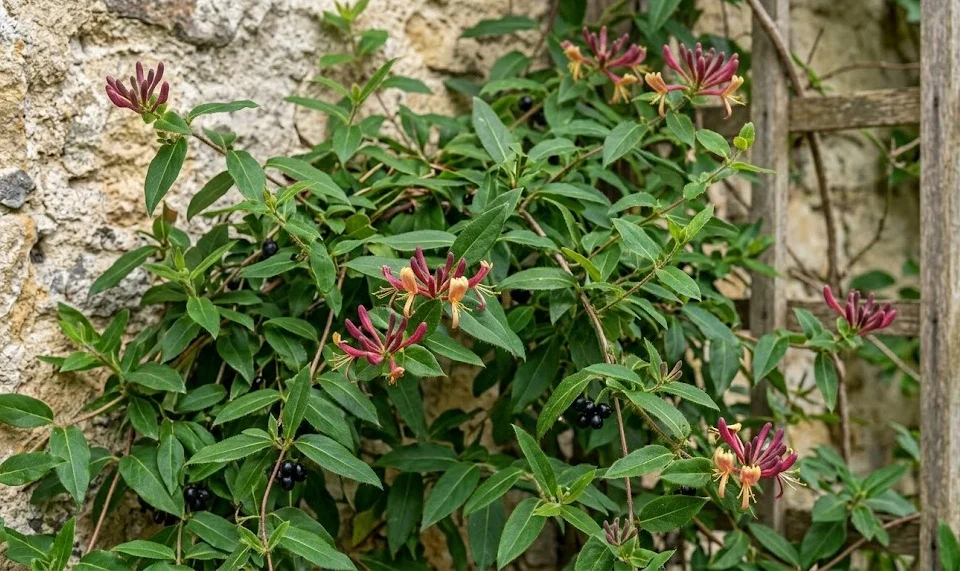

Optimizing the light exposure for Henry’s honeysuckle is fundamental to achieving a dense, vibrant vertical screen. This versatile evergreen climber displays a remarkable capacity to adapt to various lighting conditions in the landscape. However, understanding its specific preferences allows gardeners to position it for maximum health and aesthetic performance. Balancing sunlight intensity with adequate shade prevents leaf stress and encourages optimal developmental growth throughout the year.
The ideal lighting condition for this species is a location that offers partial shade or dappled sunlight. Morning sun combined with afternoon protection replicates the natural woodland environments where these plants natively evolve. Under these conditions, the foliage maintains its deep green luster without experiencing sunburn or extreme dehydration. This balanced exposure also provides enough energy to support steady, manageable vegetative growth.
Full sunlight exposure can be tolerated if the root zone remains consistently cool, moist, and well-insulated. In bright locations, the vine grows more compactly, producing shorter distances between individual leaf nodes. This increased light intensity can also encourage the development of its subtle, attractive summer blossoms. However, growers must monitor moisture levels closely in full sun to prevent the soil from drying out completely.
Evaluating the available light throughout the changing seasons is critical for accurate site selection. A spot that receives gentle filtered light in summer might become completely shaded during the short days of winter. Because the vine is evergreen, it requires a baseline level of light even during its winter dormancy phase. Observing these seasonal variations ensures that the plant remains functional and healthy all year long.
Managing growth in deep shade environments
Deep shade environments present specific physiological challenges that can alter the growth habit of the climber. When light levels are insufficient, the stems tend to stretch out, creating longer gaps between nodes. This elongation results in a looser, more open canopy that may appear sparse or leggy over time. Understanding these changes helps gardeners manage expectations when planting this vine in heavily shaded corners.
More articles on this topic
The density of the foliage screen will naturally decrease as the amount of available sunlight diminishes. To compensate for this lower density, selective pruning can be used to encourage more lateral branching. Forcing the plant to branch out horizontally helps fill in empty gaps within the climbing structure. This targeted intervention keeps the vine looking full even under less-than-ideal lighting conditions.
Moisture management becomes even more critical when cultivating this honeysuckle in deeply shaded garden beds. Soil dries out much slower in the shade, increasing the risk of over-watering and subsequent root rot. Fungal pathogens also thrive in dark, humid environments where the foliage remains wet for long periods. Adjusting the irrigation schedule downward prevents these water-related complications from compromising the vine’s health.
Reflective surfaces can be utilized to maximize the efficiency of light utilization in shady locations. Planting the vine against a light-colored wall helps bounce ambient light back into the dense canopy. This subtle increase in illumination can improve photosynthetic activity and boost overall leaf coloration. Creative landscaping solutions allow this adaptable climber to thrive where other species might fail completely.
Shielding vines from intense summer sunlight
Intense afternoon sunlight during the peak of summer can cause physiological stress to the evergreen foliage. Scorching rays can break down chlorophyll molecules, leading to a bleached or yellowed appearance on exposed leaves. This sun damage typically affects the uppermost sections of the vine where exposure is most direct. Providing structural shade or planting near taller trees mitigates this environmental challenge effectively.
More articles on this topic
Leaf margins may become brown and brittle if the intense sunlight is accompanied by dry winds. This symptom indicates that the plant cannot transport water fast enough to replace moisture lost through transpiration. Increasing the depth of the root mulch helps retain soil moisture, providing a steady supply of hydration. This hydration acts as a natural cooling mechanism, protecting the internal tissues from heat stress.
Constructing permanent overhead structures like pergolas can create the perfect filtered light environment for the climber. The wooden slats break up direct sunlight, casting moving shadows that prevent prolonged heat concentration on the leaves. This architectural integration allows the vine to climb high while remaining protected from the harshest vertical rays. It creates a beautiful, sustainable harmony between the landscape design and plant health.
Regular monitoring allows growers to detect early signs of light stress before permanent damage occurs. If the leaves begin to look dull or lose their characteristic glossy sheen, consider adjusting the surrounding environment. Subtle changes, such as providing temporary shade screens during heatwaves, can help the vine navigate summer safely. Attentive care ensures that the honeysuckle retains its spectacular evergreen beauty through every seasonal transition.