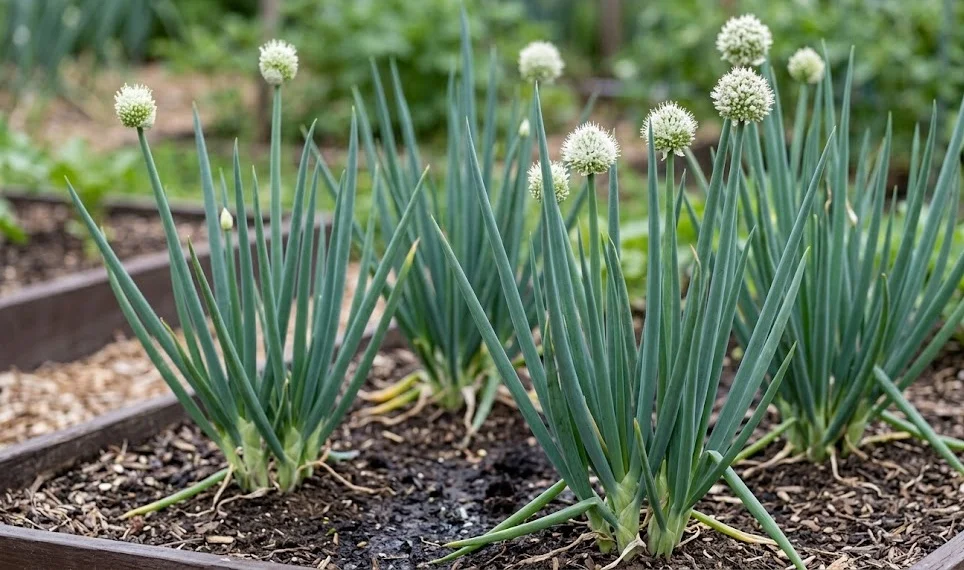

Maintaining a healthy crop of winter bunching onions requires a dedicated approach to soil management and environmental monitoring. These hardy perennials are prized for their ability to provide fresh greens even during the colder months of the year. To ensure the best results, a gardener must understand the specific growth habits and nutritional needs of the plant. Success starts with a well-thought-out plan that addresses the unique challenges of the winter season.
The primary focus of general maintenance is keeping the soil structure loose and well-aerated to support deep root development. Compaction can lead to stunted growth and poor drainage, which often results in root rot during wet periods. Regular cultivation between the rows helps to break up the surface crust and encourages oxygen exchange. It is also beneficial to check the soil moisture levels frequently, as even winter crops need consistent hydration.
Weed management is a critical aspect of care that often goes overlooked during the dormant periods of other garden plants. Bunching onions do not compete well with aggressive grasses or invasive broadleaf weeds that steal vital nutrients. Hand weeding is the most effective method because it prevents damage to the shallow and delicate root systems of the onions. Applying a thin layer of organic mulch can significantly reduce weed germination while also keeping the soil temperature stable.
Long-term care involves monitoring the plants for signs of overcrowding, which can reduce the overall quality of the harvest. As the clumps grow larger over several seasons, they may begin to produce thinner stalks due to competition for space. Thinning the rows or dividing older clumps ensures that each individual plant has enough room to thrive. This practice not only improves air circulation but also helps in maintaining the vigorous growth that gardeners expect from this species.
Nutritional balance and soil health
Providing the right balance of nutrients is essential for the continuous production of succulent green leaves. Nitrogen is particularly important for leaf development, but it must be applied in a way that does not encourage weak, leggy growth. A balanced approach using slow-release organic matter ensures that the plants have access to food throughout the growing cycle. Many experienced growers prefer to top-dress the beds with well-rotted compost in early spring and late autumn.
More articles on this topic
The pH level of the soil should be kept in a slightly acidic to neutral range to optimize nutrient uptake. If the soil becomes too acidic, the availability of essential minerals like phosphorus and potassium may be restricted. Regular soil testing is a professional habit that allows for precise adjustments using lime or sulfur as needed. Maintaining this balance helps the winter bunching onion build the cellular strength required to survive freezing temperatures.
Secondary minerals and trace elements also play a vital role in the physiological processes of the onion plant. Calcium and magnesium are necessary for cell wall integrity and chlorophyll production, respectively. Deficiencies in these areas often manifest as yellowing tips or brittle stalks that break easily in the wind. Incorporating a broad-spectrum mineral supplement can prevent these issues before they affect the marketability or health of the crop.
Organic matter serves as more than just a source of food; it improves the overall biology of the garden bed. Beneficial microbes and fungi thrive in soil that is rich in humus, creating a symbiotic environment for the roots. These microorganisms help break down complex compounds into forms that the onion can easily absorb. A healthy soil ecosystem acts as a natural buffer against environmental stress and soil-borne pathogens.
Seasonal adjustments for growth
Adapting your care routine to the changing seasons is vital for the longevity of a winter bunching onion bed. During the peak of summer, the plants may enter a semi-dormant state to cope with high heat and intense sunlight. Providing some light shade or increasing the frequency of watering can help them maintain their green color during this time. As the weather cools in autumn, the plants usually experience a second flush of vigorous growth.
More articles on this topic
Autumn care focuses on strengthening the plants before the ground freezes solid in the winter months. Reducing nitrogen levels in late fall prevents the formation of tender new growth that would be susceptible to frost damage. Instead, focusing on potassium-rich inputs can help thicken the cell walls and prepare the plant for dormancy. This transition phase is the ideal time to clear away any dead leaves or debris that could harbor pests.
Springtime requires a proactive approach to wake the plants up and encourage early harvests. Removing old mulch allows the sun to warm the soil more quickly, stimulating root activity and new shoot emergence. A light application of a high-nitrogen fertilizer at this stage provides the necessary boost for rapid leaf production. Observation is key during this period as the sudden increase in moisture can sometimes lead to fungal issues.
In regions with extremely fluctuating temperatures, protecting the crown of the plant becomes the top priority. Sudden thaws followed by deep freezes can cause the soil to heave, potentially exposing the roots to the air. Firming the soil back down and adding a protective layer of straw can mitigate these physical stresses. Consistent monitoring ensures that the plants remain securely anchored and protected throughout the unpredictable winter cycle.
Integrated management techniques
Using a holistic approach to garden management helps in creating a resilient environment for winter bunching onions. This involves looking at the garden as an entire system where every action affects the health of the individual plants. For instance, crop rotation is a professional technique used to prevent the buildup of specific pathogens in the soil. Even though these onions are perennial, moving the main beds every few years can yield significant health benefits.
Companion planting is another strategy that can enhance the growth and flavor of your bunching onions. Planting them near carrots or beets can maximize the use of vertical space in the garden bed. Some gardeners believe that these combinations also help in distracting common pests through a variety of scents and textures. It is important to choose companions that share similar water and light requirements to simplify the maintenance routine.
Documentation is a hallmark of a professional gardening approach and provides a roadmap for future success. Keeping a log of planting dates, weather patterns, and any issues encountered helps in identifying long-term trends. This data allows for more accurate predictions of harvest times and the effectiveness of different care methods. Over time, these records become an invaluable resource for refining the specific needs of your local microclimate.
Technological aids such as moisture meters and soil sensors can provide precise data that goes beyond visual observation. Knowing exactly when the root zone is drying out allows for more efficient water use and healthier plants. These tools take the guesswork out of maintenance and ensure that the plants are never under significant stress. Investing in quality equipment is a hallmark of a serious agricultural or horticultural endeavor.
Foliar care and leaf health
The health of the visible greens is the most obvious indicator of the overall well-being of the winter bunching onion. Maintaining clean, upright foliage requires adequate spacing to ensure that air can flow freely between the individual stalks. Wet leaves that stay damp for extended periods are highly susceptible to various blights and mildews. Proper grooming, including the removal of any yellowing or damaged leaves, helps keep the plant focused on new growth.
Environmental factors such as high winds or heavy rains can physically damage the delicate stalks of the onion. In exposed areas, providing a windbreak or using low tunnels can offer the necessary protection to maintain leaf quality. Damage to the foliage not only looks unappealing but also creates entry points for bacteria and fungi. Supporting the structural integrity of the plant through proper nutrition also makes the leaves more resilient to physical stress.
The color and texture of the leaves can provide immediate feedback on the success of your fertilization program. Deep green, sturdy leaves indicate a well-nourished plant with sufficient access to nitrogen and minerals. Conversely, pale or thin leaves suggest a nutrient deficiency or a problem with the root system’s ability to absorb water. Addressing these visual cues early can prevent a minor issue from becoming a major crop failure.
Regularly cleaning the area around the base of the plants prevents the accumulation of organic matter that can rot. Slugs and snails are often attracted to decaying foliage and can quickly decimate a healthy stand of onions. By keeping the base of the clumps clear, you eliminate the hiding spots for these common garden pests. This simple mechanical step is one of the most effective ways to ensure the longevity of your winter greens.
Harvesting and regrowth strategies
Harvesting winter bunching onions should be done with care to ensure the plant can continue to produce throughout the season. Instead of pulling the entire plant, cutting the outer leaves allows the inner core to keep growing. This “cut and come again” method is highly productive and maximizes the yield from a small area. Using sharp, clean shears prevents tearing the tissue and reduces the risk of infection at the cut site.
If you prefer to harvest the entire stalk, it is best to do so by thinning out the densest parts of the clump. This provides more light and nutrients to the remaining plants, which will quickly fill the gaps. Always leave enough of the root system and the base of the bulb intact if you want the plant to recover. The ability of the winter bunching onion to regenerate is one of its most valuable agricultural traits.
Post-harvest care involves a light watering and perhaps a small dose of liquid fertilizer to help the plant recover from the stress of cutting. The plant needs to replenish its energy stores to push out new growth as quickly as possible. During the coldest parts of winter, growth will naturally slow down, so harvesting should be done more conservatively. Respecting the natural growth cycle of the plant ensures a sustainable supply of onions for many years.
Understanding the timing of the harvest is crucial for achieving the best flavor and texture in the greens. Younger leaves are typically more tender and have a milder flavor, while older leaves can become tougher and more pungent. Many professional chefs prefer the intermediate stage where the stalks are firm but still sweet. By managing the harvest schedule, you can provide a variety of flavor profiles for different culinary uses.
Long-term bed sustainability
Maintaining the productivity of a winter bunching onion bed over several years requires a focus on soil regeneration. Every harvest removes nutrients from the system that must eventually be replaced to prevent soil depletion. Incorporating green manures or cover crops in adjacent beds can help build up the local nutrient cycle. A sustainable garden is one where the soil is constantly being fed and improved through natural processes.
Monitoring for signs of soil-borne diseases is vital as the bed ages and pathogens have time to establish themselves. If productivity begins to decline despite proper care, it may be time to solarize the soil or move the crop to a fresh location. Protecting the long-term health of the soil ensures that the garden remains a productive asset for the future. Healthy soil is the foundation upon which all successful agricultural projects are built.
Encouraging biodiversity in and around the onion bed can help create a more stable and resilient growing environment. Beneficial insects such as ladybugs and hoverflies can help keep pest populations under control without the need for chemicals. Planting a variety of flowering herbs nearby can attract these natural allies and improve the overall health of the garden. A balanced ecosystem is much easier to manage than one that relies purely on human intervention.
Finally, staying informed about new varieties and improved cultivation techniques is part of a professional approach to gardening. Agriculture is a constantly evolving field, and new research can often provide better ways to care for traditional crops. Sharing knowledge with other growers and participating in local gardening communities can offer fresh perspectives on old challenges. Continuous learning is the key to mastering the art and science of caring for winter bunching onions.