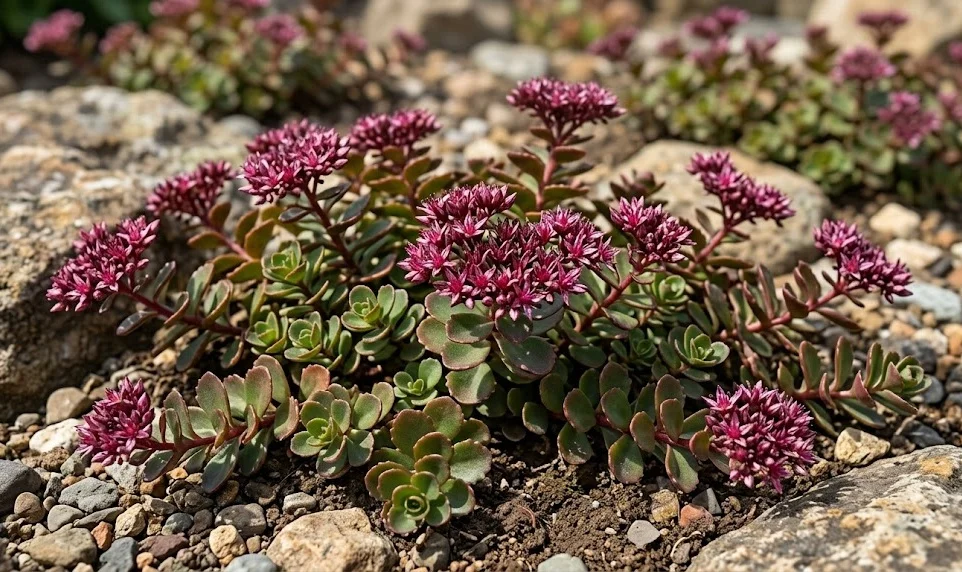

Maintaining the desired shape and vigor of Caucasian stonecrop involves a light but strategic approach to pruning and cutting back. While this plant is generally low-maintenance, a little human intervention can significantly enhance its aesthetic appeal and prevent it from becoming too unruly. Pruning serves several purposes: it encourages denser growth, removes unsightly spent flowers, and keeps the plant within its designated boundaries. By understanding the best times and techniques for these tasks, you can keep your stonecrop looking like a professional landscape feature throughout the year.
The most common reason for pruning this species is to manage its spread and ensure it doesn’t encroach on neighboring plants or garden paths. As a creeping groundcover, the stonecrop is naturally inclined to explore new territory, and its stems can quickly grow over edges if not monitored. A quick trim with a pair of garden scissors is all it takes to keep the margins clean and well-defined. This regular maintenance helps to maintain the intentional design of your garden and prevents the stonecrop from becoming a victim of its own success.
Another important aspect of pruning is the rejuvenation of older parts of the mat that may have become woody or sparse over time. By cutting back the longer, older stems, you stimulate the plant to produce fresh, new growth from the base or the nodes. This process keeps the foliage looking young and vibrant, preventing the “bald spots” that can sometimes develop in the center of aging colonies. Pruning is essentially a way to reset the plant’s internal clock and promote a continuous cycle of renewal.
Timing is everything when it comes to cutting back your stonecrop, as you want to avoid interrupting its natural bloom cycle or exposing it to stress. Most of the heavy pruning should be done in the early spring or immediately after the flowering season has ended in late summer. This allows the plant plenty of time to recover and produce new growth before the extremes of winter or summer heat arrive. With a thoughtful and gentle hand, you can guide the development of your stonecrop for years of reliable beauty.
Post-bloom deadheading and aesthetic cleanup
Once the spectacular summer display of flowers has faded, the spent flower stalks can start to look a bit messy and brown. Deadheading—the process of removing these old flowers—is a simple task that instantly neatens up the appearance of the entire planting. Use a pair of clean, sharp scissors to snip the flower stalks off at their base, being careful not to damage the surrounding foliage. This aesthetic cleanup allows the focus to return to the beautiful texture and color of the leaves.
More articles on this topic
Beyond just looking better, deadheading also benefits the plant by preventing it from putting energy into seed production. When a plant produces seeds, it diverts resources away from its roots and foliage, which can lead to a slight decline in overall vigor. By removing the flowers before they can set seed, you encourage the stonecrop to stay focused on maintaining a strong, healthy root system. It’s a small effort that pays off in the long-term resilience of the groundcover mat.
This is also a great time to do a general “housekeeping” of the area, removing any debris that may have been caught in the dense foliage. Clearing out fallen leaves, twigs, or weeds ensures that the plant has the best possible airflow and light penetration for the remainder of the growing season. A clean plant is much less likely to suffer from the fungal issues that can arise in the humid days of late summer. This proactive approach keeps the stonecrop looking professional and well-cared-for.
If you enjoy a more natural or “wild” look in your garden, you can certainly choose to leave the spent flowers in place. Some gardeners find the dried stalks provide interesting texture and even provide a tiny bit of food for small birds during the autumn. However, for a more formal or polished appearance, regular deadheading is the preferred method. Whichever style you choose, the Caucasian stonecrop is forgiving enough to thrive with or without this specific bit of attention.
Controlling the spread and shaping the mat
Because the Caucasian stonecrop spreads by rooting its stems wherever they touch the ground, it can be quite effective at filling large areas quickly. However, this same trait means it can eventually grow into places where it is not wanted, such as in the middle of a delicate perennial or over a decorative walkway. Controlling the spread is a simple matter of cutting back the “pioneer” stems that have ventured too far from the main colony. This is best done during the active growing season when you can clearly see the direction the plant is moving.
More articles on this topic
When shaping the mat, you can be as creative or as functional as you like, using the plant to follow the curves of a stone wall or the straight lines of a border. The plant responds very well to being “edged,” much like a lawn, which creates a sharp and intentional look in the landscape. If a stem has rooted in an unwanted spot, simply snip it from the parent plant and pull it up; because they are shallow-rooted, they are very easy to remove. These “extra” pieces can even be replanted elsewhere or shared with friends.
In situations where the stonecrop is being used to fill gaps between stepping stones, regular trimming is essential to prevent it from becoming a tripping hazard. You want the foliage to stay low and tight to the ground, filling the crevices without mounding up too high over the stones. A quick pass with the shears every few weeks during the summer will keep the pathway looking neat and safe. This level of control allows you to enjoy the benefits of a living mulch without any of the drawbacks of an overgrown garden.
If the plant ever becomes truly overgrown or unmanageable, don’t be afraid to be a bit more aggressive with your pruning. The Caucasian stonecrop is incredibly resilient and will quickly bounce back from even a heavy shearing. You can cut the entire mat back by half if necessary to reset its growth and encourage a more compact habit. This flexibility makes it an excellent choice for gardeners who want a plant that can be easily managed and molded to fit their specific vision.
Late winter and early spring cleanup
As the garden begins to wake up in the late winter or early spring, a final cleanup of the stonecrop is highly beneficial. This is the time to remove any foliage that has been damaged by the winter cold or has become desiccated by the wind. These winter-worn parts will usually appear brown, shriveled, or even a bit translucent, and removing them makes room for the fresh, vibrant growth of spring. A gentle thinning of the mat during this time can also improve airflow and prevent “crown rot” as the weather warms up.
Using a light touch, you can comb through the mat with your fingers or a small hand-rake to pull away any loose, dead material. Be careful not to pull too hard, as you don’t want to uproot the healthy parts of the plant that are just starting to wake up. This process also gives you a chance to inspect the soil and ensure that the roots haven’t been “heaved” out of the ground by the freezing and thawing cycle. If you see exposed roots, simply press them back into the earth and cover them with a little gritty soil.
Spring is also the ideal time to do any major “renovation” pruning if the colony has become too woody or leggy over the years. Cutting back the oldest stems to within an inch or two of the ground will stimulate a flush of new, leafy growth from the base. This keeps the groundcover looking youthful and ensures that it remains a dense, effective carpet of color. By the time the weather truly warms up, the plant will have completely covered any signs of your pruning work with a fresh layer of foliage.
Finally, this early-season cleanup is the perfect opportunity to reassess the overall health and placement of your stonecrop. If you notice any areas that are struggling, you can use the healthy trimmings from your pruning to “plug” the gaps. Simply press the cut ends of the healthy stems into the bare spots, and they will likely take root and fill in the space within a few weeks. This cycle of maintenance and propagation ensures that your Caucasian stonecrop remains a thriving and beautiful part of your garden for many years to come.