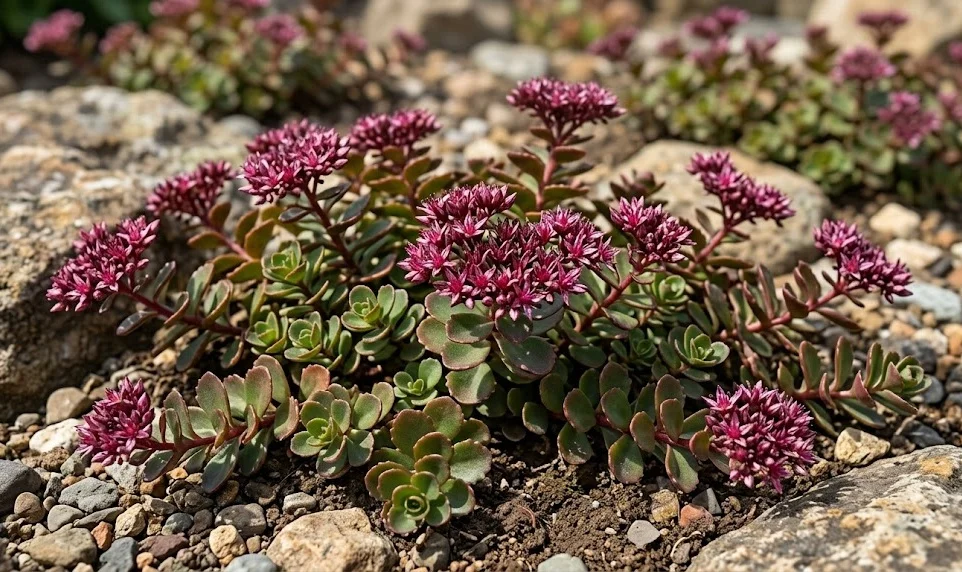

The relationship between the Caucasian stonecrop and light is a fundamental aspect of its biology that dictates its appearance, health, and overall vigor. Like most succulents, this plant is an avid sun-seeker that has adapted to thrive in bright, open environments where competition for light is minimal. Providing the correct amount of illumination is perhaps the most important decision you will make when placing this plant in your landscape. When its light needs are met, the stonecrop rewards the gardener with dense, colorful foliage and a spectacular display of star-shaped flowers.
In its natural habitat, this species often grows in rocky outcroppings or thin mountain soils where it is exposed to the full intensity of the sun for most of the day. This evolutionary background means that the plant is well-equipped to handle high levels of UV radiation and intense heat without suffering damage. In a garden setting, it performs best when it receives at least six to eight hours of direct sunlight every day. This high light intensity is what triggers the production of the vibrant pigments that give many varieties their deep red or burgundy hues.
While the plant is famous for its sun-loving nature, it is also surprisingly adaptable to a range of light conditions, which adds to its versatility in the garden. It can tolerate partial shade, particularly in regions with exceptionally hot summers where a little afternoon relief might be beneficial. However, there is a clear trade-off: as the light levels decrease, the plant’s growth habit will become more open and its colors more muted. Finding the “sweet spot” for your specific climate is part of the art of growing this beautiful groundcover.
Understanding how light interacts with the plant throughout the day and across the seasons will help you manage its performance more effectively. Morning sun is generally considered the most beneficial, as it provides the energy needed for photosynthesis while the temperatures are still relatively cool. Afternoon sun is the most intense and is responsible for the most dramatic color changes in the leaves. By observing how your stonecrop reacts to the light in your own garden, you can fine-tune its placement for maximum aesthetic impact.
Optimal sun exposure and its benefits
The primary benefit of providing full sun exposure is the development of a tight, compact growth habit that is the hallmark of a high-quality groundcover. Under bright light, the internodes—the spaces between the leaves on the stem—remain very short, resulting in a dense mat that effectively smothers weeds. This structural integrity also makes the plant more resilient to physical damage and environmental stress. A plant that grows in full sun is fundamentally stronger and more self-sustaining than one grown in the shadows.
More articles on this topic
Another significant advantage of high light levels is the stimulation of abundant flower production during the mid-summer months. The energy required to produce flowers is considerable, and the plant needs the maximum amount of sunlight to fuel this process. In shaded locations, the stonecrop may produce only a few scattered blossoms or fail to flower entirely, depriving the gardener of its most beautiful feature. Full sun also ensures that the flowers open fully and attract the maximum number of pollinators to the garden.
Light also plays a direct role in the plant’s health by helping to keep the foliage dry and preventing the development of fungal diseases. In a sunny spot, any dew or rainwater on the leaves evaporates quickly, which is a natural defense against the rots that can plague succulents in damp conditions. The heat from the sun also warms the soil, promoting healthy root activity and faster growth during the spring and summer. This combination of energy and sanitation makes full sun the ideal environment for the Caucasian stonecrop.
Finally, the most visual benefit of optimal light exposure is the enhancement of the foliage color, particularly in cultivars known for their red or variegated leaves. The “stress” of bright sunlight actually triggers the plant to produce protective pigments called anthocyanins, which result in deeper and more vivid colors. Without enough light, these varieties will often revert to a plain green color as they prioritize chlorophyll production for energy over aesthetic pigments. For the most dramatic and colorful garden display, full sun is an absolute requirement.
Shade tolerance and its limitations
While the Caucasian stonecrop is often marketed as a plant for full sun, it is important to understand its actual tolerance for lower light levels. It can survive in areas that receive only four hours of sunlight, or even in bright, indirect light, but its character will change significantly. In these conditions, the plant will not die, but it will lose the compact, carpet-like form that many gardeners find so attractive. Instead, the stems will become longer and more sprawling as they “reach” for more light.
More articles on this topic
In a partially shaded garden, you may notice that the stonecrop becomes “leggy,” with larger gaps between the leaves and a more fragile appearance. This is not necessarily a sign of poor health, but rather a structural adaptation to the environment. If you are using the plant as a groundcover, this thinner growth may allow more weeds to poke through the foliage, requiring more maintenance on your part. It is important to match your expectations to the light levels available in your chosen planting site.
One benefit of a bit of shade, especially in very hot and arid climates, is that the plant may require slightly less frequent watering. The cooler temperatures and reduced evaporation in the shade help the plant conserve its internal moisture more effectively. However, this must be balanced against the increased risk of fungal issues if the area stays too damp for too long. If you do plant in partial shade, it is even more important to ensure that the soil drainage is absolutely impeccable.
Ultimately, full shade—where no direct sunlight reaches the plant—is not recommended for this species. In deep shade, the stonecrop will eventually become weak, pale, and highly susceptible to pests and diseases. It may slowly dwindle away over a few seasons as it fails to produce enough energy to sustain its root system and stems. If your garden is predominantly shady, you might want to look for other groundcover options, or consider using the stonecrop in containers that can be moved to sunnier spots as needed.
Signs of light deficiency and corrective actions
A skilled gardener can read the physical appearance of the stonecrop to determine if it is receiving enough light for its needs. The most obvious sign of light deficiency is “stretching,” where the plant grows rapidly upward or toward the nearest light source. If you see your usually low-growing stonecrop starting to stand tall and look sparse, it is a clear cry for more illumination. Correcting this is usually as simple as moving the plant or trimming back any overhanging vegetation that is casting too much shade.
Another indicator of insufficient light is a noticeable change in the color and texture of the leaves. If a variety that is supposed to be deep burgundy or bright yellow starts turning a dull, uniform green, it is lacking the light needed to produce its characteristic pigments. The leaves may also become thinner and softer, losing the firm, succulent feel that indicates a healthy water-storage system. These visual cues are the plant’s way of communicating its environmental needs to the grower.
Reduced flowering is also a very common symptom of a plant that is struggling in a low-light environment. If your stonecrop has been in the ground for several years and has never produced a significant display of flowers, it is almost certainly due to a lack of sun. While fertilization can help, it cannot replace the energy provided by direct sunlight when it comes to reproductive success. Moving the plant to a brighter location will often result in a dramatic increase in flower production the following season.
If you identify a light problem, the best corrective action is to gradually move the plant to a sunnier spot rather than doing it all at once. Suddenly moving a shade-adapted plant into the intense midday sun can cause “sunscald,” where the leaves become bleached and damaged by the sudden increase in radiation. By moving it in stages or providing a little temporary shade during the transition, you allow the plant to adjust its chemistry and toughen up its exterior. This careful approach ensures a successful recovery and a return to the plant’s natural, beautiful form.