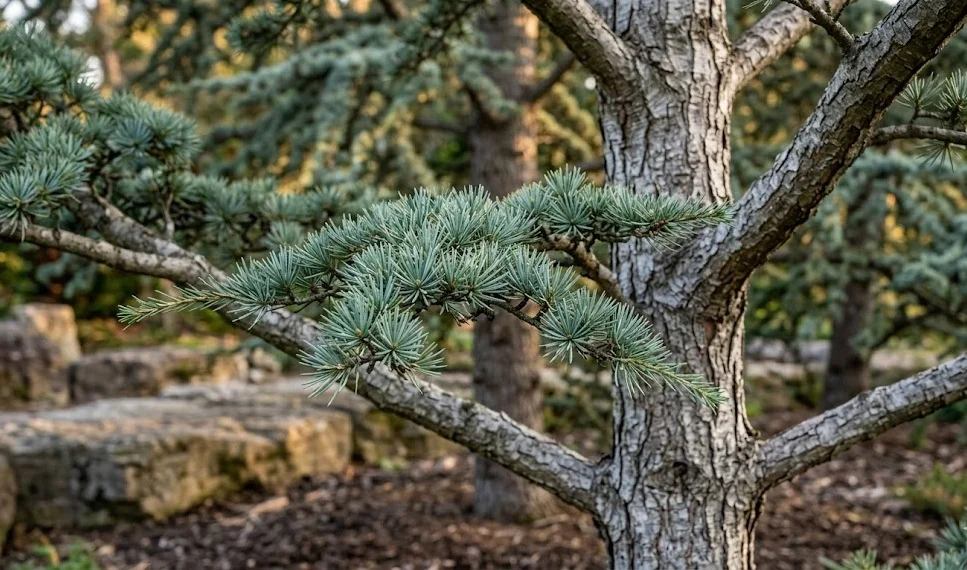

Selecting the perfect site for planting an atlas cedar is the first step toward creating a lasting legacy in the landscape. These trees require ample space to accommodate their extensive root systems and broad canopies as they reach maturity. One must consider the ultimate height and spread of the tree to avoid future conflicts with buildings or overhead power lines. A successful planting operation sets the foundation for a healthy life, allowing the tree to establish itself quickly and efficiently.
The physical process of planting requires careful attention to the depth and width of the planting hole. A hole should be at least twice as wide as the root ball but no deeper than the root system itself to prevent settling. Breaking up the soil at the bottom of the hole encourages deep root penetration, which provides better stability against strong winds. It is essential to handle the root ball with care to avoid damaging the fine feeder roots that are critical for water absorption.
Propagation through seeds is a rewarding process that requires patience and specific environmental triggers. The cones take two years to mature and should be harvested when they turn a brownish color but before they fully disintegrate. Stratification is often necessary to mimic natural winter conditions and break seed dormancy before sowing. Once germinated, the seedlings need a controlled environment with consistent moisture and protection from direct, scorching sunlight until they are strong enough for transplanting.
Vegetative propagation, such as using cuttings or grafting, is often used to preserve specific cultivars like the weeping or blue varieties. Cuttings are typically taken from semi-hardwood growth in late summer or early autumn and treated with rooting hormones. Grafting is a more technical method where a desired scion is joined to a hardy seedling rootstock. Both methods require high humidity and stable temperatures to ensure the union or root development is successful before moving the plants outdoors.
Proper aftercare following planting or propagation involves consistent monitoring of the soil moisture levels. New transplants are particularly vulnerable to drying out because their root systems are not yet fully integrated into the surrounding soil. Providing a temporary windbreak can significantly reduce the stress on a newly planted atlas cedar during its first year. Professional growers emphasize that the first three years are the most critical period for ensuring the long-term survival of the tree.