
The Caucasian stonecrop is a remarkably hardy perennial that is well-adapted to surviving cold winters in a variety of climates. Its ability to withstand freezing temperatures makes it a reliable choice for gardeners in northern regions where more delicate succulents would perish. However, successful overwintering involves more than just the plant’s innate cold tolerance; it also depends on the conditions of its environment. By preparing your stonecrop correctly in the late autumn, you can ensure it emerges from its winter dormancy with vigor and health.
As the temperatures begin to drop and the days grow shorter, the plant naturally enters a state of dormancy to protect itself from the harsh weather. During this time, the growth slows down significantly, and the foliage often takes on a deeper, more muted color. This change is a biological signal that the plant is shifting its resources away from growth and toward survival. Understanding this transition allows the gardener to adjust their care routine to support the plant’s natural rhythm.
The primary challenge for this species during the winter is not the cold itself, but rather the presence of excessive moisture in the soil. While the plant can handle temperatures well below freezing, it cannot tolerate its roots being encased in ice-cold, saturated earth. Ensuring that the drainage remains functional throughout the winter is the most important factor in a successful overwintering strategy. A plant that stays relatively dry during the dormant season is much more likely to survive even the most severe winters.
In most regions, no elaborate protection or covering is needed for this hardy groundcover, as it is built to handle the elements. In fact, covering the plant with heavy plastic or non-breathable materials can do more harm than good by trapping moisture and heat. The stonecrop is perfectly content to be exposed to the fresh air and the natural cycle of the seasons. With just a few simple adjustments to its surroundings, you can rest easy knowing your garden is prepared for whatever winter may bring.
Hardiness and cold tolerance limits
The Caucasian stonecrop is known for its exceptional hardiness, often rated for climates that experience temperatures as low as minus thirty degrees Celsius. This impressive cold tolerance is due to the plant’s ability to concentrate sugars in its cells, which acts as a natural antifreeze. While the fleshy leaves may look delicate, they are surprisingly resilient to the expansion and contraction caused by freezing and thawing. This biological resilience is what allows the plant to remain a permanent fixture in the landscape year after year.
More articles on this topic
Despite this high level of hardiness, the plant can still be affected by the specific microclimate of your garden during the winter months. Plants that are located in low-lying areas where cold air settles may experience more stress than those in slightly elevated spots. Similarly, a site that is exposed to biting winter winds can dry out the foliage, a condition known as winter burn. Choosing a location that offers some natural protection from the harshest winds can help the plant maintain its aesthetic quality throughout the season.
Snow cover can actually be a great benefit to the stonecrop, providing a layer of natural insulation against the coldest air temperatures. The snow keeps the ground at a more stable temperature and protects the foliage from the drying effects of the wind and sun. If you live in an area with reliable snowfall, your plants are likely well-protected until the spring thaw arrives. For those in regions with cold but dry winters, a very light layer of evergreen boughs can provide similar protection without trapping too much moisture.
It is also worth noting that younger, newly established plants may be slightly more vulnerable to winter stress than older, well-rooted colonies. If you have planted your stonecrop late in the season, it may not have had enough time to develop the deep root system needed for maximum hardiness. In these cases, a little extra attention to drainage and a light mulch of gravel can provide the extra security the young plants need. Over time, as the colony matures, its ability to handle environmental extremes will only increase.
Late autumn preparations for the dormant phase
As the final leaves fall from the trees and the first frosts approach, it is time to perform a few simple maintenance tasks to prepare the stonecrop for winter. The most important step is to clear away any fallen leaves or garden debris that have accumulated on top of the stonecrop mat. If left in place, these materials can create a damp, dark environment that encourages rot and provides a hiding place for pests. A quick sweep or a gentle raking ensures that the plant has access to whatever light and air are available during the short winter days.
More articles on this topic
This is also the ideal time to do a final check of the surrounding drainage and make any necessary improvements before the ground freezes. If you notice any areas where water has started to pool, you can add a little extra grit or sand to help it move away from the plants. You might also want to ensure that any nearby downspouts or drainage pipes are directed away from the stonecrop area. Preventing the soil from becoming waterlogged in the late autumn is the best way to set the stage for a healthy winter rest.
Regarding fertilization, it is critical to stop all feeding at least two months before the expected first frost. You do not want to encourage any soft, new growth late in the season, as this tender tissue is the most likely to be damaged by freezing temperatures. The plant needs this time to “harden off” and prepare its internal chemistry for the cold months ahead. By allowing the growth rate to naturally decline, you are supporting the plant’s own survival mechanisms and ensuring its long-term health.
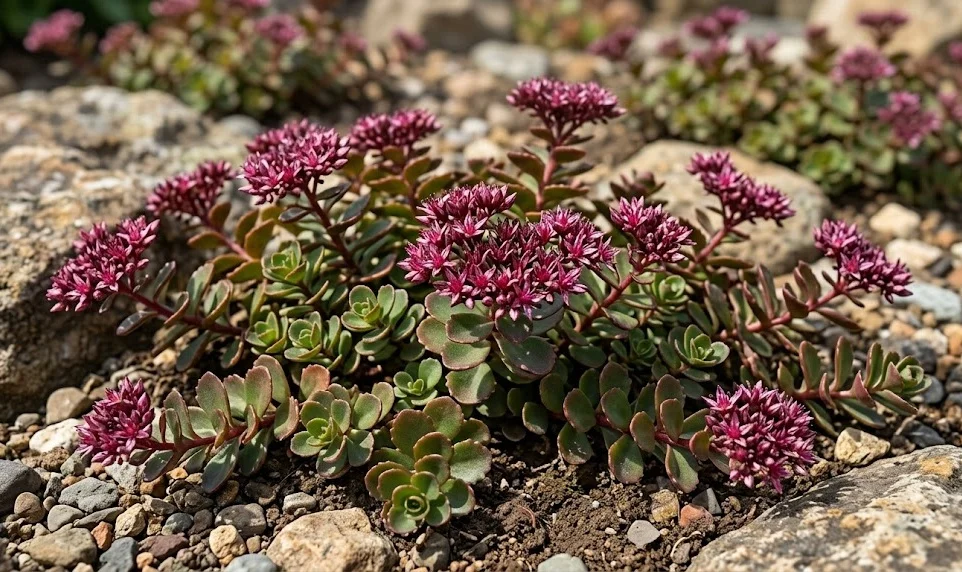
Finally, take a moment to enjoy the deep autumn colors of the stonecrop as it prepares for its dormancy. Many varieties turn brilliant shades of red, purple, or bronze that provide a beautiful contrast to the fading colors of the rest of the garden. This late-season display is one of the many reasons why this plant is so valued by landscape designers. Once these final tasks are complete, you can step back and let the plant follow its natural course through the winter season.
Managing winter moisture and drainage
As previously emphasized, the management of moisture is the most critical aspect of overwintering any succulent, and the Caucasian stonecrop is no exception. During the winter, the plant’s metabolic processes are at a standstill, meaning it takes up very little water from the soil. If the earth remains wet for long periods, the roots are essentially being “drowned,” which can lead to a total collapse of the plant by spring. Ensuring that the site remains as dry as possible during the dormant months is the key to success.
If you are growing your stonecrop in containers, winter care involves moving them to a spot where they are protected from excessive rain or snowmelt. A covered porch or the lee of a building can provide the necessary shelter while still keeping the plants in a cold environment. Avoid bringing the containers into a heated house, as the warmth will wake the plant up prematurely and lead to weak, unhealthy growth. The goal is to keep the plant cold and dormant, but dry enough to prevent any fungal or rot issues.
For plants in the ground, the natural slope of the land and the quality of the soil are your primary tools for managing winter moisture. If your garden has heavy soil, you might consider creating a small “micro-mound” for the stonecrop to lift it slightly above the surrounding grade. This simple architectural change can make a massive difference in how the plant handles the winter rains. A top-dressing of crushed stone or pea gravel around the crown of the plant also helps by preventing moisture from sitting directly against the stems.
In very wet climates, some gardeners use a temporary “rain umbrella” made of clear plastic or glass held several inches above the plants. This allows for full light and air circulation but prevents the majority of the rain from saturating the soil directly over the roots. This is usually only necessary for particularly valuable specimens or in areas with exceptionally high winter precipitation. For the average garden, simply ensuring good drainage from the start is more than enough to see the plant through the winter safely.
Spring recovery and first signs of growth
When the days begin to lengthen and the soil starts to warm, you will see the first signs of the stonecrop waking up from its winter slumber. The centers of the rosettes will often turn a brighter green, and you may notice tiny new leaves starting to emerge from the tips of the creeping stems. This is an exciting time for the gardener, as it marks the successful completion of the overwintering process and the start of a new season. A few simple tasks during this transition period can help the plant get off to a great start.
Begin by removing any stems that may have been damaged by the winter weather or dried out by the wind. These will usually look shriveled, brown, or mushy, and they should be snipped back to healthy, green tissue. Removing this dead material not only improves the appearance of the plant but also prevents any potential diseases from taking hold in the decaying matter. It also clears the way for the new growth to spread out and fill in any gaps that may have formed over the winter.
If the winter was particularly dry, the plants might appreciate a light watering once the ground has completely thawed and there is no risk of a hard freeze. This helps to rehydrate the tissues and provides the moisture needed for the initial burst of spring growth. However, still be cautious not to overdo it, as the spring rains are usually more than sufficient in most regions. This is also the perfect time to apply a very light layer of fresh compost or a slow-release fertilizer if you feel the plant needs a boost.
As the weather continues to improve, the stonecrop will rapidly regain its full, lush appearance and begin its journey toward the summer blooming season. You can take pride in knowing that your careful preparations and mindful management during the winter have paid off. The Caucasian stonecrop is a plant that rewards the gardener with its persistence and beauty, year after year. With each passing season, the colony will become more established, more resilient, and more integrated into the life of your garden.