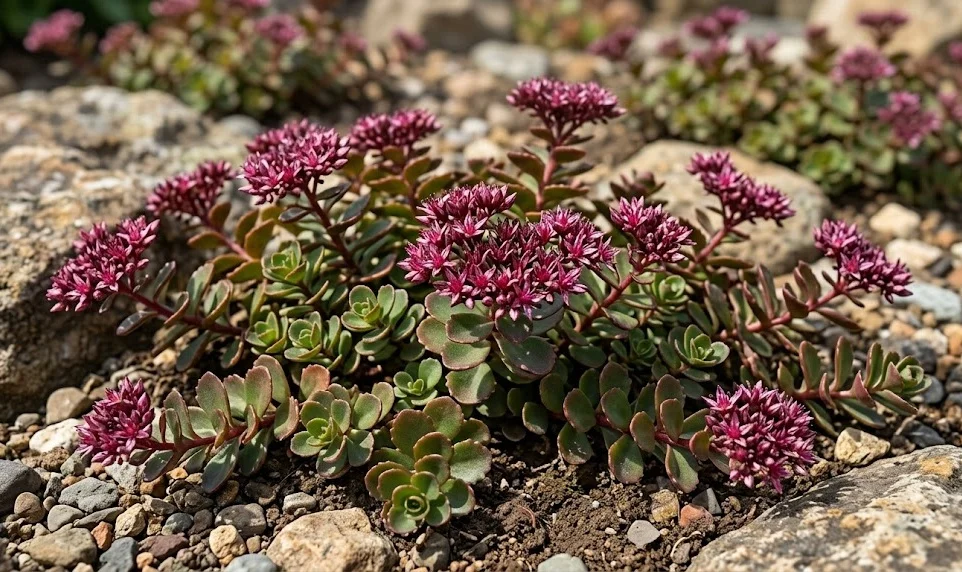

The Caucasian stonecrop is widely regarded as one of the most trouble-free plants in the garden, yet it is not entirely immune to problems. Most health issues arise when the plant is stressed by environmental factors, which then opens the door for opportunistic diseases or pests. Maintaining a professional garden requires the ability to identify these minor setbacks early before they can impact the entire colony. Fortunately, with its robust nature, most issues can be managed with simple cultural adjustments rather than heavy chemical interventions.
Fungal infections are the most common disease category that might affect this succulent species, especially during wet or humid periods. Because the leaves and stems are designed to hold water, they can be particularly vulnerable to surface rots if they do not have adequate airflow. Keeping the planting area free of fallen leaves and other organic debris is a vital step in preventing these issues from taking hold. A clean environment ensures that moisture evaporates quickly, keeping the plant’s exterior dry and healthy.
Insect pests are relatively rare on this stonecrop, but a few specific types can occasionally cause cosmetic or structural damage. Aphids and mealybugs are the usual suspects, often appearing on the tender new growth during the spring or early summer. These small insects feed on the plant’s sap, which can lead to distorted leaves or a sticky residue known as honeydew. Early detection is key, as small populations can often be removed with a sharp stream of water or a simple insecticidal soap.
Understanding the difference between a true disease and environmental stress is an important skill for any dedicated gardener. Sometimes, leaf discoloration or a slow growth rate is simply the plant’s way of reacting to a change in the weather or soil conditions. By observing the plant closely over time, you can distinguish between a temporary reaction and a problem that requires active management. This thoughtful approach preserves the health of your garden while minimizing unnecessary treatments.
Fungal issues and root rot prevention
Root rot is arguably the most serious health threat to any member of the Sedum genus, including the Caucasian stonecrop. This condition is almost always caused by a combination of over-watering and poorly drained soil, which allows pathogenic fungi to thrive. The first signs of rot are often a softening of the stems near the soil line and a dulling of the foliage color. If you notice these symptoms, it is imperative to stop all watering immediately and assess the drainage of the site.
More articles on this topic
In severe cases of root rot, the best course of action is to lift the affected plant and trim away any dark, mushy roots. You should only replant the healthy, firm sections in fresh, dry soil that has been amended with plenty of grit or sand. This “surgical” approach can often save a valued specimen that would otherwise be lost to the infection. It also serves as a stark reminder of why proper site preparation is so important for succulent groundcovers from the very beginning.
Leaf spot and other foliar fungal diseases can occur when the weather is consistently damp and cool for extended periods. These issues appear as small, dark spots on the leaves that can eventually lead to premature leaf drop if left unchecked. Improving the air circulation around the plants by thinning out nearby vegetation can help the foliage dry out more quickly after rain. In most cases, the plant will outgrow these minor infections as soon as the weather turns sunny and dry again.
To prevent fungal problems from the outset, always avoid overhead watering whenever possible, as this keeps the leaves wet for longer than necessary. Instead, direct the water to the base of the plant where it can reach the roots directly without wetting the canopy. If you must use a sprinkler, do so early in the morning so the sun can dry the plants quickly throughout the day. These simple cultural practices are your first and best line of defense against the majority of fungal diseases.
Common insect pests and their management
While the thick, waxy cuticle of the stonecrop’s leaves discourages many insects, mealybugs can sometimes find a foothold in the crevices of the stems. These pests are easily identified by the white, cottony masses they produce to protect themselves while they feed. If left to multiply, they can weaken the plant and cause the foliage to look stunted or sickly. A small infestation can be treated by dabbing the affected areas with a cotton swab dipped in rubbing alcohol.
More articles on this topic
Aphids are another occasional visitor, typically congregating on the softest, newest growth at the tips of the creeping stems. They are usually green or black and can be seen with the naked eye if you look closely at the plant’s apex. While they rarely kill a healthy stonecrop, they can cause the new leaves to curl and look unsightly during the peak growing season. Encouraging natural predators like ladybugs and lacewings in your garden is a sustainable way to keep aphid populations under control.
Slugs and snails may also take an interest in your stonecrop, particularly during the night or on very overcast, damp days. Unlike many other pests, these mollusks can chew large, irregular holes in the fleshy leaves, which can be quite noticeable on a low groundcover. Creating a barrier of crushed eggshells or using copper tape around decorative containers can help deter these unwanted guests. In many cases, simply keeping the area dry and free of hiding places like large rocks or debris will be enough to discourage them.
Spider mites are a pest that thrives in hot, dry conditions and can sometimes affect stonecrops that are already stressed by drought. These tiny arachnids are difficult to see, but their presence is often signaled by a fine webbing on the plant and a stippled, yellow appearance of the leaves. Increasing the humidity around the plant with an occasional misting or simply providing a deep watering can often disrupt their life cycle. For persistent problems, an organic horticultural oil can be used to coat and suffocate the mites without harming the plant.
Distinguishing environmental stress from disease
It is quite common for gardeners to mistake the natural reactions of the stonecrop for signs of a serious disease or pest infestation. For example, during a period of intense summer heat, the plant may naturally turn a deeper red or bronze color. This is a protective mechanism to prevent sun damage and is not a sign of illness, but rather a sign of a healthy, functioning plant. Understanding these physiological responses will save you from worrying about a problem that does not actually exist.
Leaf drop can also occur as a reaction to sudden changes in the environment, such as a sharp drop in temperature or a move to a new location. If the plant loses a few lower leaves but the new growth at the tips remains healthy and firm, it is likely just adjusting to the change. This self-pruning allows the plant to focus its energy on the most vital parts of its structure while it adapts. Providing a stable environment with consistent light and minimal interference is the best way to help the plant settle back in.
Sometimes, the plant may look “leggy” or stretched out, which some might interpret as a sign of a nutrient deficiency or a mysterious ailment. In reality, this is almost always a result of insufficient light, a condition known as etiolation. The plant is literally stretching toward the nearest light source in an attempt to capture more energy for photosynthesis. Moving the plant to a sunnier location or thinning out overhanging branches will cause the new growth to be much tighter and more attractive.
Finally, small scars or bumps on the leaves can sometimes be caused by physical impacts like hail or even heavy footsteps. These marks are permanent but do not indicate a spreading disease that will harm the rest of the colony. Over time, the plant will simply grow new leaves that will cover the damaged ones, restoring its uniform appearance. By taking a holistic view of the plant’s environment, you can accurately diagnose most issues and respond with the appropriate level of care.
Preventive measures for long-term health
The most effective way to manage diseases and pests is to prevent them from occurring in the first place through good horticultural practices. This begins with selecting healthy, disease-free plants from a reputable source and inspecting them thoroughly before they enter your garden. Quarantining new additions for a week or two can also ensure that you aren’t accidentally introducing mealybugs or aphids to your existing collection. Starting with clean material is the foundation of a healthy, resilient landscape.
Maintaining the proper spacing between your plants is another crucial preventive step that is often overlooked in the desire for an “instant” garden. While the goal is to create a dense mat, leaving a little room for air to flow between the young plants helps prevent the stagnant conditions that fungi love. As the plants grow together, they will naturally fill the space, but the initial air gap provides a healthier start. Proper spacing also makes it much easier to inspect the plants and spot any early signs of trouble.
Keeping your garden tools clean and sanitized is a professional habit that prevents the spread of pathogens from one area to another. If you have been working with a plant that shows signs of disease, always clean your scissors or trowel with a bleach solution or alcohol before moving to the next plant. This simple task takes only a minute but can save you hours of work in treating a widespread infection later. It is a hallmark of an expert gardener who values the health of their entire outdoor space.
Finally, focusing on the overall health of the soil and the ecosystem will naturally reduce the incidence of pests and diseases. A plant that is growing in its ideal conditions—plenty of sun, great drainage, and appropriate nutrients—is inherently more resistant to attacks. By creating a diverse garden that attracts beneficial insects and birds, you enlist nature’s own “security force” to help keep pest populations in check. Prevention is not about constant intervention, but about creating a balanced environment where the Caucasian stonecrop can thrive.