
Understanding the moisture and nutrient requirements of blue lyme grass is key to maintaining its distinctive architectural form and vibrant blue color. While this species is famous for its ability to survive in harsh, arid conditions, a professional approach to hydration can significantly improve its aesthetic quality. You must treat this grass differently than typical garden perennials, as over-care is often more damaging than under-care. Finding the right balance will ensure that the plant remains healthy without becoming excessively aggressive or losing its structural integrity.
During the initial establishment phase, consistent watering is the most important factor in ensuring the survival of your new plants. Even though the mature grass is drought-tolerant, the young roots need regular moisture to anchor themselves in the soil. You should check the moisture levels daily during the first month, especially if the weather is warm or windy. A professional tip is to water deeply but infrequently, which encourages the roots to grow deep into the substrate in search of water.
Once the plant has become established, usually after the first full growing season, its water needs drop significantly. In most temperate climates, natural rainfall is often sufficient to keep the grass looking its best without any supplemental irrigation. However, during prolonged periods of extreme drought, a deep soaking once every two weeks can prevent the foliage from browning at the tips. You should always aim the water at the base of the plant rather than spraying the leaves to minimize the risk of fungal issues.
Soil drainage is the silent partner to any watering routine and must be carefully considered by the professional gardener. If the water does not drain away quickly, the roots of this grass can easily succumb to rot, which quickly kills the entire clump. In areas with heavy soil, you may need to reduce watering even further to prevent the ground from staying saturated. An expert knows that the physical condition of the soil tells you more about when to water than a simple calendar schedule.
Monitoring the plant’s appearance is the best way to gauge whether your watering strategy is working effectively. If the blades begin to curl inward or the blue color starts to fade into a dull gray, the plant is likely experiencing moisture stress. On the other hand, if the stems become weak and start to flop over, it may be a sign that the plant is receiving too much water or nitrogen. A professional eyes the plant’s posture daily to make small adjustments to the care routine before major problems develop.
More articles on this topic
The role of fertilization
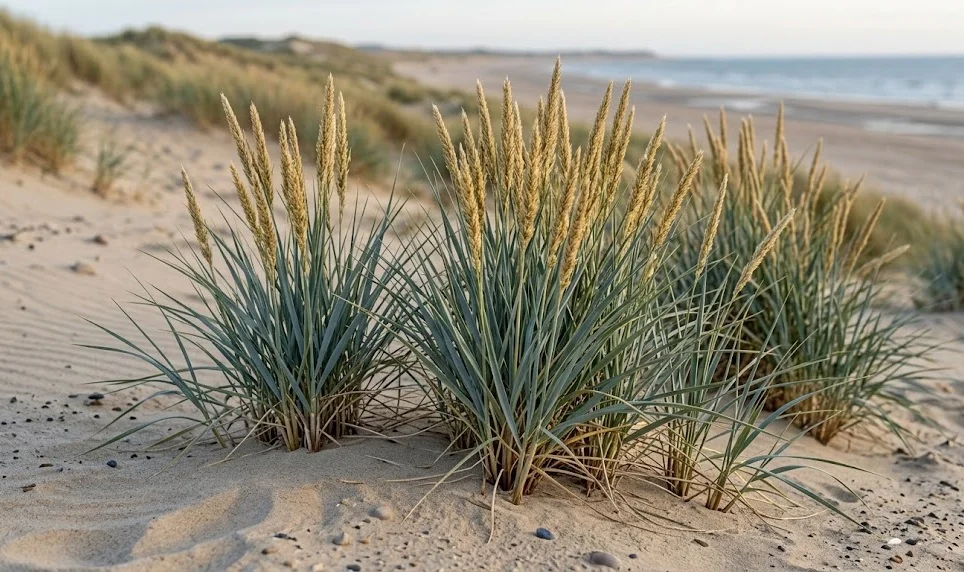
Fertilizing blue lyme grass is a task that requires restraint and a professional understanding of the plant’s natural history. In its native sand dune environments, nutrients are scarce, and the plant has evolved to thrive in these “lean” conditions. Applying too much fertilizer, especially one high in nitrogen, will lead to rapid, soft growth that lacks the silver-blue color gardeners love. Professional groundskeepers often find that the less they fertilize, the better the grass actually looks and behaves.
If you feel that the soil is truly deficient, a very light application of a slow-release, balanced fertilizer in early spring is all that is required. This provides a gentle boost to the new shoots as they emerge from the dormant crown without causing a sudden surge of weak growth. You should avoid fertilizing in late summer or autumn, as this can stimulate new growth that won’t have time to harden off before the winter. A professional soil test every few years can tell you exactly which nutrients, if any, are actually missing.
Organic options, such as a thin layer of well-rotted compost applied to the soil surface, are often better than synthetic chemicals. This approach improves the soil structure while providing a slow, natural release of nutrients over the entire growing season. You must be careful not to pile the compost against the stems, as this can trap moisture and encourage rot at the base of the plant. An expert gardener uses organic matter as a soil conditioner rather than a concentrated food source.
Micronutrients are sometimes overlooked, but they play a vital role in maintaining the waxy coating that gives the grass its blue hue. Elements like iron and magnesium are essential for the healthy development of foliage and the overall vigor of the root system. If the leaves start to show yellowing while the veins stay green, it may indicate a specific mineral deficiency that a professional product can correct. Always follow the label instructions carefully to avoid over-applying these potent mineral supplements.
More articles on this topic
Irrigation methods and efficiency
For large-scale plantings, a drip irrigation system is often the most efficient and professional way to manage water levels. This method delivers water directly to the root zone, reducing evaporation and keeping the foliage dry to prevent disease. You can set these systems on timers to ensure the plants receive a consistent amount of hydration during the early morning hours. A well-designed drip system saves time and water while providing the precise control needed for professional landscaping.
Hand-watering remains a viable and often superior option for individual specimen plants or small garden beds. This allows the gardener to inspect each plant closely and adjust the amount of water based on the specific needs of each clump. You should use a watering wand with a gentle shower setting to avoid washing away the soil or damaging the delicate new shoots. Hand-watering also ensures that you are only putting water where it is actually needed, which helps suppress weeds in the surrounding areas.
Rain barrels and other water collection systems are excellent tools for the environmentally conscious professional. The slightly acidic nature of rainwater is often better for plants than treated municipal water, which may contain chlorine or other minerals. Using collected water for your ornamental grasses is a sustainable practice that reduces your impact on local infrastructure. You should ensure that your collection system is kept clean to prevent the buildup of algae or mosquito larvae.
During the hottest months of the year, mulching with an inorganic material like gravel can help retain soil moisture and keep the roots cool. Unlike organic mulches, gravel does not absorb water itself, allowing every drop of rain or irrigation to reach the soil below. This technique is highly professional and mimics the natural rocky or sandy environments where this grass thrives. It also provides a clean, modern aesthetic that complements the architectural lines of the blue blades.
Avoiding common feeding mistakes
The most common mistake made by amateur gardeners is treating this grass like a hungry lawn that needs constant feeding. Over-fertilization not only ruins the plant’s appearance but also fuels its invasive tendencies, making it much harder to control. When the plant has too many nutrients, the rhizomes grow faster and farther, quickly overwhelming neighboring plants. A professional maintains a “tough love” approach, providing only the bare minimum required for basic health.
Another error is applying fertilizer directly to the foliage or the crown of the plant, which can cause chemical burns. Granular fertilizers should be scattered on the soil surface around the base of the plant and then watered in thoroughly. You must ensure that no granules are trapped between the leaf blades where they can dissolve and damage the tender tissues. Professional application always prioritizes the safety of the plant’s structure over the speed of the task.
Ignoring the pH of the soil can also lead to nutrient uptake problems, regardless of how much fertilizer you apply. Blue lyme grass prefers a neutral to slightly alkaline soil, which is common in many coastal areas. If your soil is too acidic, the plant may struggle to access the minerals it needs to maintain its health and color. A professional gardener checks the soil pH before starting a fertilization program to ensure the efforts will actually be effective.
Finally, relying on liquid fertilizers for quick results is often a mistake for long-term grass health. While they provide an immediate green-up, the effects are short-lived and can lead to a cycle of dependency and weak growth. Slow-release granular products or organic amendments are much better for the steady, sturdy growth that is desired in a professional landscape. Experience shows that patience and a slow approach lead to the most resilient and beautiful plants.
Watering in different climates
In humid or coastal climates, the air itself often provides a significant amount of moisture that the grass can utilize. In these regions, you may find that you almost never need to water the plants once they have reached maturity. In fact, the primary challenge in humid areas is ensuring the soil dries out enough between rain events to prevent fungal issues. A professional in these climates focuses more on drainage and air circulation than on irrigation schedules.
In arid or inland regions, the low humidity and intense sun will increase the plant’s transpiration rate and water needs. You may need to provide a deep soaking once a week during the peak of summer to keep the foliage from looking scorched. It is often beneficial to plant the grass in a location that receives some light afternoon shade to reduce heat stress. Professional irrigation in dry climates is a calculated balance between survival and the conservation of precious water.
In areas with cold, wet winters, the danger shifts from drought to waterlogging and freezing of the root zone. You should completely stop all supplemental watering by mid-autumn to allow the plant to prepare for dormancy. Ensuring the soil has excellent drainage is even more critical in these climates to prevent “heaving,” where the ice pushes the plant out of the ground. A professional winter strategy involves keeping the crown as dry as possible through the dormant season.
Regardless of your local climate, observing the native vegetation can provide valuable clues for your watering and feeding strategy. If local wild grasses are looking lush, your ornamental specimens are likely doing fine without extra help. If the landscape is turning brown and dormant, it may be time to step in with a controlled amount of hydration. A professional gardener stays in tune with the local environment to provide the most appropriate care for every season.