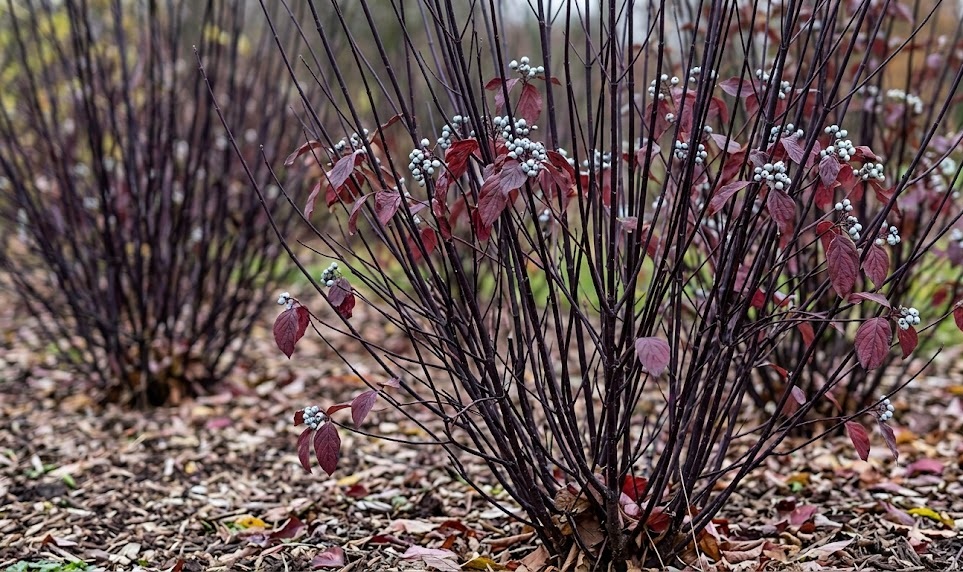

Preparing the black-stemmed dogwood for the winter months is a vital task that ensures the shrub remains healthy and visually stunning throughout the cold season. While these plants are remarkably cold-hardy, they still benefit from specific maintenance routines to protect them from harsh environmental conditions. The transition from the active growing season to dormancy requires a shift in how you care for the roots and stems. This guide outlines the professional steps needed to successfully overwinter your dogwoods and prepare them for a vigorous return in the spring.
Autumn preparation and cleanup
The process of overwintering begins in the late autumn as the leaves start to change color and eventually drop to the ground. You should take this opportunity to clean up the area around the base of the shrub to remove any fallen foliage that might harbor pests or diseases. Leaving a thick mat of wet leaves against the bark can encourage rot and provide a hiding spot for rodents that might gnaw on the stems. A clean garden floor is the first step in maintaining a professional and healthy winter landscape.
Final inspections of the plant’s structure should be conducted before the first heavy snow or ice storm arrives in your area. Look for any weak or crossing branches that might be prone to breaking under the weight of winter precipitation. Pruning out these potential problems now can prevent more significant damage to the main structure of the shrub later in the season. You want the plant to be as strong and resilient as possible as it enters its most vulnerable time for physical breakage.
Avoid doing any heavy pruning or fertilization late in the autumn season, as this can stimulate new growth that won’t have time to harden. This tender wood is very likely to be killed by the first hard frost, which wastes the plant’s stored energy and creates entry points for disease. Instead, focus on maintaining the health of the existing wood and ensuring the plant has adequate moisture in the soil. The goal is to allow the shrub to naturally transition into its dormant state without unnecessary interference.
If you have young or recently planted dogwoods, you might consider providing them with a little extra protection during their first few winters. A simple burlap screen can help block the harshest winds and prevent the stems from drying out or suffering from winter sunscald. Established plants are generally tough enough to handle most conditions, but a little bit of foresight can save a lot of work later on. Proper autumn preparation sets the stage for a stress-free winter for both you and your plants.
More articles on this topic
Mulching and root protection
Mulching is one of the most effective ways to protect the root system of your black-stemmed dogwood from the extreme temperature fluctuations of winter. A layer of three to four inches of organic mulch, such as wood chips or shredded bark, acts as an insulating blanket for the earth. This helps keep the soil temperature more consistent and prevents the cycle of freezing and thawing that can heave shallow roots out of the ground. It also helps retain the moisture that the plant will need during the long dormant period.
Ensure that the mulch is spread out to the drip line of the shrub to cover the entire area where the active roots are located. However, you must be careful to keep the mulch several inches away from the actual stems of the plant to prevent moisture buildup. Constant contact between wet mulch and the bark can lead to fungal issues and may invite small animals to nest near the tender wood. A “donut” shape of mulch is the professional standard for protecting the roots while keeping the crown healthy.
If your garden has very sandy soil that drains quickly, you might need to apply a slightly thicker layer of mulch to prevent the roots from drying out. In contrast, heavy clay soils may require a thinner layer to ensure that the ground doesn’t become too waterlogged during winter thaws. Understanding your soil type allows you to tailor your mulching strategy to the specific needs of your garden environment. The right amount of protection ensures that the roots stay healthy and ready to grow when spring arrives.
As the mulch breaks down over the winter, it also contributes valuable organic matter to the soil, improving its structure for the next growing season. You can check the depth of the mulch in mid-winter and add a little more if it has settled or washed away during heavy rains. This ongoing maintenance is a small task that provides significant long-term benefits for the health and vigor of your dogwoods. Healthy roots are the foundation of a beautiful winter display of dark, vibrant stems.
More articles on this topic
Managing winter moisture and hydration
A common mistake many gardeners make is assuming that dormant plants do not need any water during the winter months. While their needs are much lower than during the summer, the roots can still suffer from desiccation if the ground becomes too dry. This is especially true in regions that experience dry, cold winds and little snowfall to provide natural moisture to the earth. Ensuring your dogwood is well-hydrated before the ground freezes is a critical part of a successful overwintering strategy.
If you experience a prolonged dry spell during a winter thaw, you might consider giving your shrubs a light watering to replenish the soil moisture. This is most important for young plants or those in containers, which dry out much more quickly than established specimens in the ground. You should only water when the air temperature is above freezing and the ground is capable of absorbing the moisture. A little bit of supplemental hydration can prevent the stems from shriveling and help the plant survive until spring.
Snow can actually be a beneficial source of moisture and insulation for your dogwoods, provided it doesn’t become too heavy and cause branches to break. When the snow melts, it slowly releases water into the soil, keeping the roots hydrated without saturating them all at once. If you have a particularly heavy snowfall, you might want to gently brush the excess weight off the branches of younger plants to prevent bending. Most established black-stemmed dogwoods are quite flexible and can handle a reasonable amount of snow load without issue.
Watch for signs of winter injury, such as cracked bark or stems that appear excessively wrinkled or dull in color. These can be indicators that the plant is struggling with moisture loss or extreme temperature shifts in its environment. While some minor damage is normal, being aware of these signs allows you to adjust your care routine for the following year. A well-hydrated plant is always more resilient and better able to withstand the challenges of the winter season.
Spring recovery and transition
As the days begin to lengthen and the temperatures rise, your black-stemmed dogwood will start to wake up from its long winter sleep. This transition period is an exciting time in the garden, but it also requires a few final maintenance tasks to ensure a smooth recovery. You should start by removing any winter protection, such as burlap screens or extra mulch, once the threat of extreme cold has passed. This allows the plant to experience the natural shifts in light and temperature that trigger new growth.
Inspect the shrub for any winter dieback or damage that may have occurred during the coldest months of the year. Prune out any dead tips or broken branches to keep the plant looking tidy and to prevent disease from entering the damaged wood. This light cleanup should be done before the buds begin to swell and the sap starts flowing heavily through the stems. Removing the evidence of winter’s harshness helps the plant focus its energy on the fresh, new growth of the coming season.
Check the soil around the base of the plant to see if any root heaving has occurred and gently press any exposed roots back into the earth. You may also want to pull back some of the mulch from the crown of the plant to allow the soil to warm up more quickly. This encourages the roots to become active earlier, which can lead to a more vigorous start to the growing season. A little bit of attention during the early spring ensures that your dogwood hits the ground running.
Finally, consider applying a light dose of balanced fertilizer once you see the first signs of green appearing in the buds. This provides the necessary nutrients for the initial flush of foliage and the development of this year’s new stems. The cycle of care begins again, but the successful overwintering of your plant ensures it starts from a position of strength. Watching your black-stemmed dogwood transition from its striking winter silhouette to its lush summer form is one of the true rewards of gardening.