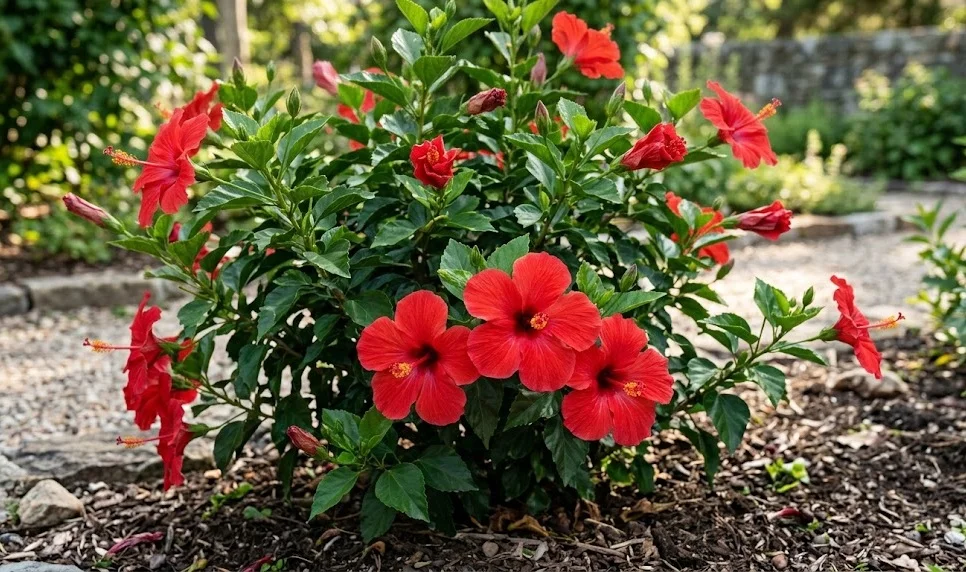

Pruning is a vital maintenance task that allows the gardener to direct the energy of the Chinese hibiscus, maintain its shape, and ensure long-term health. Because these plants are vigorous growers, they can quickly become overgrown or leggy if they are left to their own devices for too many seasons. Strategic cutting not only improves the aesthetic appearance of the shrub but also stimulates the production of new, flowering wood. This article provides professional guidance on the timing, tools, and techniques required to prune your hibiscus with confidence and precision.
Timing and essential tools
The primary pruning session for a Chinese hibiscus should ideally take place in the late winter or very early spring, just as the plant is beginning to emerge from its rest period. Pruning at this time allows the plant to heal quickly and devote all of its new spring energy to producing fresh, healthy shoots that will bear flowers later in the year. If you prune too early in the winter, you risk exposing the fresh cuts to cold damage, while pruning too late in the spring may delay the first flush of flowers. A well-timed pruning sets the stage for a successful and productive growing season.
Using the right tools is essential for making clean cuts that heal rapidly and do not invite disease or pests. You should invest in a high-quality pair of bypass pruners, which act like scissors to make a clean, sharp slice through the wood. For thicker, older branches, a small pruning saw or a pair of loppers may be necessary to avoid crushing the delicate vascular tissue. Regardless of the tool you use, it must be exceptionally sharp; dull blades can tear the bark and leave ragged edges that are much slower to recover.
Sanitation is a critical but often overlooked aspect of professional pruning that prevents the spread of pathogens between your plants. You should always sterilize your tools with rubbing alcohol or a ten-percent bleach solution before you start and after you move from one plant to another. This simple step is the best way to ensure that you are not inadvertently moving viruses or fungal spores from a sick plant to a healthy one. Keeping your tools clean and well-oiled also ensures they remain functional and easy to use for many years.
Throughout the growing season, you can also perform “maintenance pruning,” which involves the light removal of dead, damaged, or diseased wood as you see it. This does not require a specific time of year and should be done promptly to keep the plant looking its best and to prevent minor issues from spreading. Removing faded flowers and the developing seed pods—a process known as deadheading—is also a form of pruning that encourages the plant to continue blooming. By being diligent with these small tasks, you reduce the amount of heavy work needed during the main pruning season.
More articles on this topic
Shaping and health pruning techniques
When you begin the main pruning process, your first priority should be the removal of the “three Ds”: dead, damaged, and diseased wood. You should cut these branches back to a point of healthy, green tissue or all the way to the main trunk if necessary. Look for stems that are shriveled, have no green beneath the bark, or show signs of fungal cankers or pest damage. By removing these compromised parts of the plant, you improve the overall air circulation and prevent the harbor of future problems within the canopy.
The next step is to address the structure of the plant by removing any branches that are crossing or rubbing against one another. When two branches rub together, they create wounds in the bark that act as entry points for insects and pathogens. You should also look for “suckers” or weak, spindly growth that is coming from the very base of the plant or the center of the canopy. Removing these interior branches opens up the center of the shrub to more light and airflow, which is vital for the health of the leaves and the development of inner flower buds.
To encourage a bushier and more attractive shape, you should use a technique called “heading back,” which involves cutting a branch just above a leaf node or a bud. A node is the point on the stem where a leaf or a new branch emerges, and it contains a high concentration of growth hormones. By cutting about half a centimeter above a node that is facing outward, you signal the plant to grow in that direction. This allows you to control the width and height of your hibiscus while preventing it from becoming a tangled mess of branches.
Symmetry is a common goal for ornamental hibiscus, and you should step back frequently during the pruning process to evaluate the overall balance of the plant. You want to create a canopy that is relatively even on all sides, allowing each part of the plant to receive an equal share of the available light. Avoid removing more than one-third of the total foliage at any one time, as this can shock the plant and lead to a decline in health. A thoughtful, gradual approach to shaping will always yield better results than a single, aggressive session.
More articles on this topic
Rejuvenation and hard pruning
For older Chinese hibiscus plants that have become extremely leggy, woody, or unproductive, a more aggressive “rejuvenation pruning” may be necessary. This involves cutting the entire plant back significantly—sometimes to within thirty or forty centimeters of the ground—to force a complete reset of the growth. While this may look drastic and leave you with a bare-looking stump for a few weeks, it is often the only way to save a plant that has lost its vitality. Rejuvenation pruning should only be done on healthy, established plants and only during the very early spring.
After a hard pruning, the hibiscus will respond by pushing out a flush of vigorous new growth from the dormant buds on the old wood. These new shoots will be soft and green at first, and they will eventually become the new framework for a much bushier and more floriferous plant. You should monitor this new growth closely and “pinch” the tips of the longest shoots once they reach fifteen centimeters to encourage even more branching. This process of guiding the new growth allows you to build a perfect specimen from the ground up.
Watering and nutrition become especially important following a major pruning session, as the plant needs resources to rebuild its canopy. However, you should be careful not to over-water, as the plant now has much less leaf surface area to transpire moisture. Once you see the first true leaves emerging from the new shoots, you can begin a regular fertilization program with a high-potassium formula. This support will ensure that the new wood is strong and capable of supporting the heavy flowers that will soon follow.
Finally, remember that the Chinese hibiscus is a remarkably resilient plant that responds very well to the pruner’s touch. Even if you make a mistake and cut a branch in the wrong place, the plant will usually recover and fill in the gap within a single growing season. Pruning is as much an art as it is a science, and as you gain more experience, you will learn how your specific hibiscus variety responds to different types of cuts. By making pruning a regular part of your care routine, you ensure that your hibiscus remains a youthful and spectacular centerpiece in your garden.