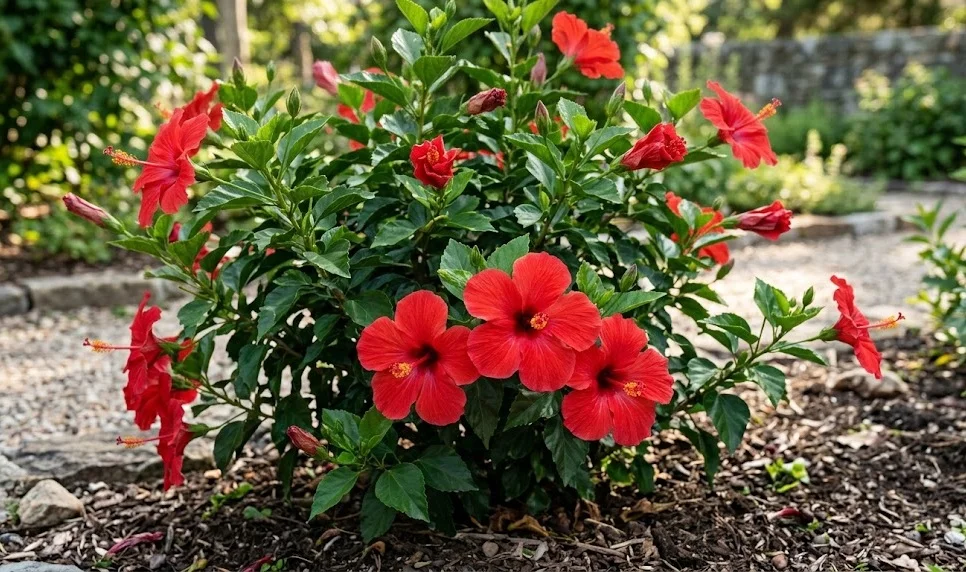

Caring for the Chinese hibiscus requires a delicate balance of environmental factors to mimic its native tropical origins. These plants are prized for their glossy emerald foliage and their ability to produce massive, trumpet-shaped flowers in a stunning array of colors. To ensure your plant remains healthy and productive, you must pay close attention to the intersection of light, temperature, and nutrient availability. This comprehensive guide outlines the fundamental principles of maintenance that will allow this exotic species to flourish in your collection.
Creating the ideal environment
The first step in caring for this plant is establishing a stable environment that avoids sudden shifts in atmospheric conditions. Since these shrubs originate from warm, humid climates, they do not tolerate cold drafts or sudden drops in temperature very well. You should place your hibiscus in a location where the air remains relatively still but is not stagnant, as airflow is necessary to prevent fungal development. Observation is key, as the plant will often show physical signs of distress if the microclimate is not meeting its biological needs.
Humidity plays a crucial role in the overall health of the foliage and the success of flower bud development. In many indoor or temperate environments, the air can become too dry, causing the leaves to brown at the edges or the buds to drop before opening. You can mitigate this by using humidity trays filled with pebbles and water or by utilizing a dedicated humidifier in the vicinity of the plant. Maintaining an ambient humidity level of at least fifty percent will significantly improve the plant’s vigor and appearance.
Temperature stability is equally important, as the hibiscus is a true tropical species that thrives when the mercury stays within a specific range. Ideally, daytime temperatures should remain between twenty and thirty degrees Celsius, while nighttime temperatures should not dip significantly below fifteen degrees. If the plant is kept outdoors during the summer, it must be moved inside well before the first frost arrives in autumn. Even a brief exposure to freezing temperatures can cause irreversible damage to the vascular system of the plant.
The physical placement of the hibiscus within a room or garden layout dictates its long-term growth pattern and flowering potential. When grown indoors, a south-facing or west-facing window usually provides the most consistent energy source for the plant. However, you must be careful that the leaves do not touch cold glass during the winter months, as this can cause localized chilling. Regularly rotating the pot every few weeks will ensure that the plant grows symmetrically and that all sides receive equal access to available light.
More articles on this topic
Selecting the right soil and container
Choosing the correct growing medium is a foundational aspect of professional hibiscus care that often determines the plant’s lifespan. These plants require a soil structure that is both moisture-retentive and exceptionally well-draining to prevent the onset of root rot. A high-quality commercial potting mix amended with perlite or coarse sand is often the best choice for container-grown specimens. You should avoid heavy garden soils that compact easily, as these will suffocate the roots and lead to a decline in health.
The acidity of the soil is another critical factor, as Chinese hibiscus prefers a slightly acidic environment to properly absorb essential minerals. Aim for a pH level between six and seven to facilitate the optimal uptake of nutrients like iron and magnesium. If the soil becomes too alkaline, the plant may suffer from chlorosis, characterized by yellowing leaves with green veins. You can monitor the pH levels using a simple home testing kit and adjust the acidity with organic soil acidifiers if necessary.
Container selection involves more than just aesthetics; the material and size of the pot directly influence the moisture levels of the soil. Terra cotta pots are excellent for breathability, but they may cause the soil to dry out too quickly in hot climates or high-sun environments. Plastic or glazed ceramic pots retain moisture for longer periods, which can be beneficial if you have a busy schedule and cannot water daily. Regardless of the material, the container must have large, functional drainage holes at the bottom to allow excess water to escape freely.
When it comes to the size of the container, the Chinese hibiscus actually prefers to be slightly root-bound to encourage more prolific flowering. Moving a plant into a pot that is significantly too large can lead to a phenomenon where the soil stays wet for too long, as the roots cannot absorb the excess water. You should only repot when the roots have filled the current container and are beginning to circle the inside or emerge from drainage holes. Typically, a pot that is five to eight centimeters larger in diameter than the previous one is the ideal upgrade.
More articles on this topic
Managing seasonal growth patterns
The growth cycle of the Chinese hibiscus is highly dependent on the season, and your care routine must adapt accordingly to these changes. During the active growing season in spring and summer, the plant focuses its energy on producing new shoots and frequent blooms. This is the period when the plant’s metabolism is at its peak, requiring the most water and frequent applications of fertilizer. Understanding this natural rhythm allows you to maximize the plant’s potential and enjoy a continuous display of flowers.
As the days begin to shorten in late summer and early autumn, you will notice a natural slowdown in the production of new buds and leaves. This transition phase is the plant’s way of preparing for the lower light levels and cooler temperatures of the coming winter. You should gradually reduce the frequency of fertilization during this time to avoid stimulating soft, new growth that would be vulnerable to cold. This period of transition is essential for the plant to harden its tissues and store energy for the next year.
In the winter, the Chinese hibiscus enters a semi-dormant state where its primary goal is survival rather than active growth or reproduction. During these months, the plant requires significantly less water, and feeding should be stopped entirely to prevent salt buildup in the soil. It is normal for the plant to shed some of its older leaves during this time as it conserves resources. You should focus on maintaining a stable environment and protecting the plant from the dry, heated air of indoor living spaces.
Spring marks the revival of the plant, signaled by the appearance of tiny new leaf buds along the woody stems as temperatures rise. This is the ideal time to perform any necessary maintenance, such as repotting or light pruning to shape the canopy. You should begin to increase watering frequency and reintroduce a balanced fertilizer at half strength to jumpstart the new growth cycle. This careful reawakening process ensures that the plant enters its most productive phase with the strength needed for a full season of flowering.
Optimizing air quality and ventilation
Adequate air circulation is a frequently overlooked component of hibiscus care that is vital for preventing the spread of pathogens. In still, humid environments, fungal spores can easily settle on the leaves and flowers, leading to issues such as powdery mildew or botrytis. By ensuring that there is a gentle movement of air around the plant, you help the foliage dry quickly after watering or misting. If you are growing your hibiscus indoors, a small oscillating fan kept on a low setting can provide sufficient air movement.
While circulation is necessary, you must distinguish between a gentle breeze and a harsh, drying draft from heating or cooling vents. Placing a hibiscus directly in the path of an air conditioner or a heater will cause rapid dehydration of the delicate flower petals. This stress can lead to bud blast, a condition where the flower buds turn brown and fall off before they can even begin to open. You should find a location that is airy but shielded from the direct blast of climate control systems.
Outdoor plants generally benefit from natural wind, but extreme gusts can physically damage the large, thin leaves and heavy blossoms of the hibiscus. If your garden is prone to high winds, it is wise to provide some form of windbreak, such as a lattice fence or larger, hardier shrubs. Staking taller, more top-heavy specimens can also prevent the branches from snapping under the weight of the flowers during a storm. Protecting the structural integrity of the plant allows it to focus its energy on growth rather than repairing damaged tissues.
Cleanliness of the foliage is another aspect of air-related care, as dust buildup on the leaves can interfere with the plant’s ability to photosynthesize. You should periodically wipe the leaves with a soft, damp cloth or give the entire plant a gentle shower in the sink or bathtub. Removing dust not only makes the plant look more attractive but also allows the stomata to function correctly for gas exchange. This simple act of hygiene can also help you spot early signs of pests that might be hiding on the undersides of the leaves.
Understanding flowering mechanics
The flowers of the Chinese hibiscus are ephemeral, typically lasting only a single day from the moment they fully expand. This brief lifespan is a natural characteristic of the species, though some modern hybrids have been developed to keep their blooms for two or three days. While it may be disappointing to see a flower fade so quickly, a healthy plant is capable of producing a constant stream of new buds throughout the season. Understanding this cycle helps manage expectations and encourages proper maintenance to keep the succession going.
The process of bud formation is heavily influenced by the amount of light the plant receives and its overall nutrient status. If the plant is lacking in potassium or is receiving insufficient light, it may fail to set buds or drop them prematurely. Deadheading, which involves removing the spent flowers before they can form seed pods, is a highly recommended practice for any hibiscus owner. By removing the old blooms, you signal to the plant that it should continue to invest its energy into new flowers rather than seed production.
Flower color can occasionally fluctuate depending on the environmental conditions and the specific temperature at the time of blooming. You might notice that the same plant produces slightly different shades of red, orange, or yellow during a heatwave compared to a cool autumn week. This is a fascinating biological response where the pigments are affected by the intensity of the sun and the ambient heat. Providing consistent care helps stabilize these colors, but a little bit of variation is simply part of the charm of growing this tropical beauty.
Success in flowering is often the ultimate goal for the gardener, and it serves as a primary indicator of the plant’s overall well-being. A hibiscus that is not blooming is usually trying to communicate that one of its basic needs is not being met. Whether it is a lack of sunlight, improper watering, or a deficiency in the soil, you should treat a lack of flowers as a prompt to evaluate your care routine. Once the missing factor is corrected, the plant will usually reward you with a new flush of vibrant color within a few weeks.
Managing the root system
Healthy roots are the engine of the Chinese hibiscus, and monitoring their condition is essential for the long-term survival of the plant. Since the roots are hidden beneath the soil, you must rely on the health of the visible parts of the plant to gauge what is happening below the surface. If a plant appears wilted despite having moist soil, it may be a sign that the roots are suffocating or have been damaged by pathogens. Periodically checking the roots during repotting provides an opportunity to ensure they are firm, white, and actively growing.
Overcrowding in the pot can lead to a stunted plant that struggles to take up enough water and nutrients to support its canopy. When the roots become too dense, they can actually displace the soil, leaving the plant with very little medium to hold onto moisture. If you notice that you need to water your hibiscus much more frequently than before, it is likely time to check for a root-bound condition. Gentle root pruning during the repotting process can help rejuvenate an older plant and encourage the growth of fresh, efficient feeder roots.
The temperature of the root zone is just as important as the air temperature for tropical plants like the hibiscus. In the summer, dark-colored pots sitting in direct sun can absorb enough heat to literally cook the roots, leading to severe stress. You can protect the root system by using light-colored containers or by placing the decorative pot inside a larger, insulated planter. Keeping the roots cool and stable allows the plant to continue moving water and nutrients to the leaves even during the hottest parts of the day.
Proper aeration of the root zone is facilitated by the structure of the soil and the presence of drainage holes in the container. You should never allow the hibiscus to sit in a saucer of standing water for more than thirty minutes, as this prevents oxygen from reaching the roots. If the lower part of the soil remains saturated for extended periods, the roots will begin to die and rot, which is often fatal for the plant. Maintaining a cycle of thorough watering followed by a brief drying period ensures that the roots remain healthy and functional.
Ensuring long term vitality
The Chinese hibiscus is a long-lived woody shrub that can provide decades of beauty if it is treated with consistent care and respect. Over time, the plant will naturally develop a thicker, bark-covered trunk and a more complex branch structure as it matures. You should view the care of your hibiscus as a long-term relationship, where your observations and adjustments help the plant adapt to its environment. Regular maintenance, rather than occasional intensive care, is the secret to keeping a hibiscus looking its best year after year.
Rejuvenation may be necessary for older plants that have become leggy or have lost their vigor over several seasons of growth. This often involves a combination of structural pruning and a complete refresh of the potting medium to restore nutrient levels. By cutting back old wood and encouraging new, green growth, you can effectively “reset” the plant’s appearance and health. This process should be done gradually to avoid shocking the plant, but the results are often a much more robust and attractive specimen.
Consistency is perhaps the most important word in the vocabulary of a successful hibiscus grower. These plants thrive on routine, and they are most resilient when their basic needs for light, water, and food are met without extreme fluctuations. While the hibiscus can be somewhat forgiving of minor mistakes, a pattern of neglect followed by overcompensation will lead to a weakened plant. Establishing a simple weekly schedule for checking soil moisture and looking for pests will prevent most common problems before they start.
Ultimately, the goal of caring for a Chinese hibiscus is to enjoy the unique tropical atmosphere it brings to your space. Whether you keep a single specimen on a balcony or maintain a collection in a professional greenhouse, the rewards are well worth the effort. Watching a single bud swell and open into a magnificent flower is a testament to the care and attention you have provided. By following these expert guidelines, you ensure that your hibiscus remains a thriving, beautiful part of your horticultural life for many seasons to come.