
Understanding the light requirements of the mock orange is fundamental to achieving the spectacular floral display for which it is known. This shrub is highly sensitive to the amount of solar energy it receives, which directly impacts its growth habit and bloom density. While it is an adaptable plant, finding the “sweet spot” in your garden’s light profile will make the difference between a sparse shrub and a thriving centerpiece. By observing how light moves through your landscape, you can position your mock orange for maximum health and beauty.
Optimal sun exposure for blooms
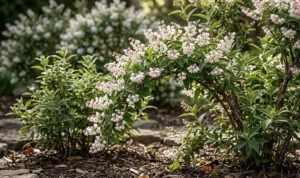
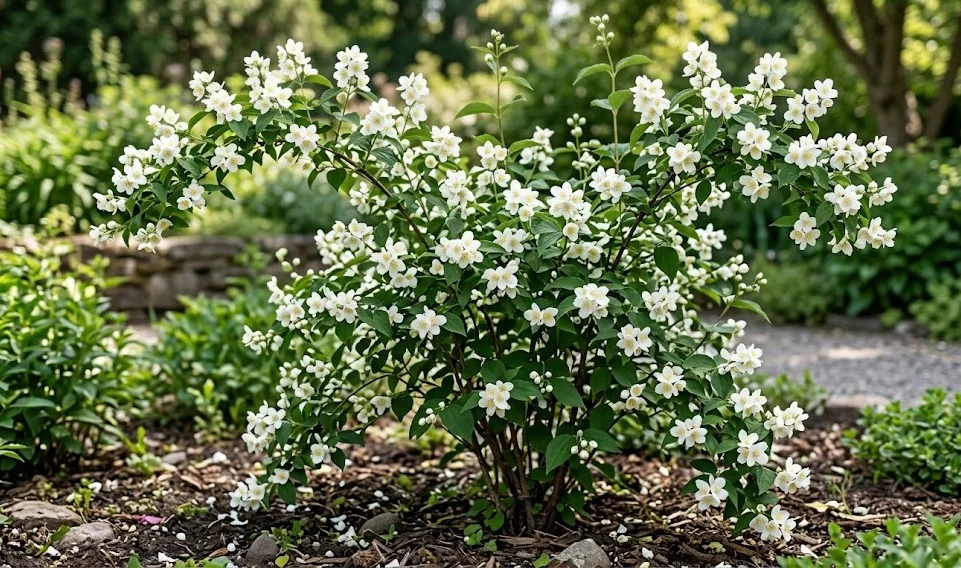
To produce the maximum number of its iconic white flowers, the mock orange needs at least six to eight hours of direct sunlight each day. Full sun provides the energy required for the plant to develop a high concentration of flower buds during the previous growing season. Without this intense light, the shrub may still grow leaves, but the floral display will be significantly diminished. Positioning the plant on the south or west-facing side of a building or fence is often the best strategy.
Morning sun is particularly beneficial because it helps dry the overnight dew from the leaves, reducing the risk of fungal infections. The intense light of the midday and early afternoon sun drives the metabolic processes that result in a sturdy, well-branched shrub. If your garden is shaded by large trees, you may need to selectively prune their canopies to allow more light to reach the shrubs below. This investment in light management pays off every spring when the shrub is covered in fragrant blossoms.
A plant that receives sufficient light will have a more compact and attractive growth habit compared to one grown in the shade. The stems will be shorter and sturdier, allowing the shrub to support the weight of its flowers without sagging. You will also notice that the foliage is a deeper, healthier shade of green when the light levels are optimal. This structural integrity is a direct result of the efficient photosynthesis made possible by ample sun exposure.
It is worth noting that while the shrub loves sun, extreme heat in very southern climates can sometimes stress the plant. In these specific regions, a location that offers full morning sun and a bit of protection from the harshest late-afternoon rays is ideal. This balance prevents the leaves from scorching while still providing enough total energy for a prolific bloom. Understanding your local sun intensity is key to finding the perfect placement for this versatile garden favorite.
More articles on this topic
Managing partial shade scenarios
The mock orange is frequently described as being tolerant of partial shade, which makes it a useful plant for many garden designs. In this context, partial shade typically means about four to six hours of sunlight, or dappled light throughout the day. While the shrub will grow quite well in these conditions, you must expect a slightly different appearance than a plant in full sun. The growth will naturally be a bit more open and the branches may stretch slightly toward the strongest light source.
Flowering in partial shade is usually less intense, with fewer clusters of blossoms scattered across the branches. However, some gardeners actually prefer this more delicate look, especially in a woodland or naturalistic garden setting. The fragrance of the flowers remains just as potent in the shade, and it may even linger longer in the cooler air of a protected spot. If scent is your primary goal, a partially shaded location near a seating area can be a very effective choice.
In shaded areas, the risk of moisture-related issues like powdery mildew increases significantly. Because the sun does not dry the foliage as quickly, you must be even more diligent about providing excellent air circulation. Pruning the interior of the shrub to create a more open structure is essential for plants grown in less-than-optimal light. This practice allows what little light and air there is to reach the center of the plant, keeping the whole shrub healthier.
If you find that your mock orange is struggling in deep shade, you should consider moving it to a brighter location. While the plant is resilient, it will eventually become “leggy” and unattractive if it has to fight too hard for light. Moving a shrub is best done in the early spring or autumn when the plant is dormant or semi-dormant. The dramatic improvement in health and flowering after a move to a sunnier spot is often quite remarkable.
More articles on this topic
Identifying light deficiency symptoms
Recognizing the signs that your mock orange isn’t getting enough light allows you to make adjustments before the plant’s health declines. The most obvious symptom is a lack of flowers or a significant decrease in the number of blooms compared to previous years. If the plant looks healthy and green but simply refuses to flower, insufficient light is almost always the primary cause. You may also notice that the flowers that do appear are smaller and fade more quickly.
The physical structure of the shrub provides many clues about its light environment over the past few growing seasons. “Legginess” occurs when the plant produces long, thin branches with large gaps between the leaves as it reaches for the sun. These branches are often weak and can easily break under the weight of snow or during a heavy rainstorm. A well-lit plant, by contrast, will have a much denser and more self-supporting structure with foliage right down to the base.
Leaf color can also be an indicator of light stress, although this can sometimes be confused with nutrient deficiencies. In very low light, the leaves may become a paler, yellowish-green as the plant struggles to produce enough chlorophyll. You might also notice that the leaves are larger than normal, a common adaptation for plants trying to maximize their surface area for light collection. Observing these subtle changes in the foliage helps you diagnose the light levels in different parts of your garden.
Finally, a plant in too much shade will often show a higher susceptibility to pests and diseases. The lack of solar energy means the plant has fewer resources to devote to its natural defense mechanisms. If you find yourself constantly fighting off aphids or fungal spots, consider whether a lack of light is the underlying stressor. Moving the plant to a sunnier location often clears up these recurring issues without the need for chemical treatments.