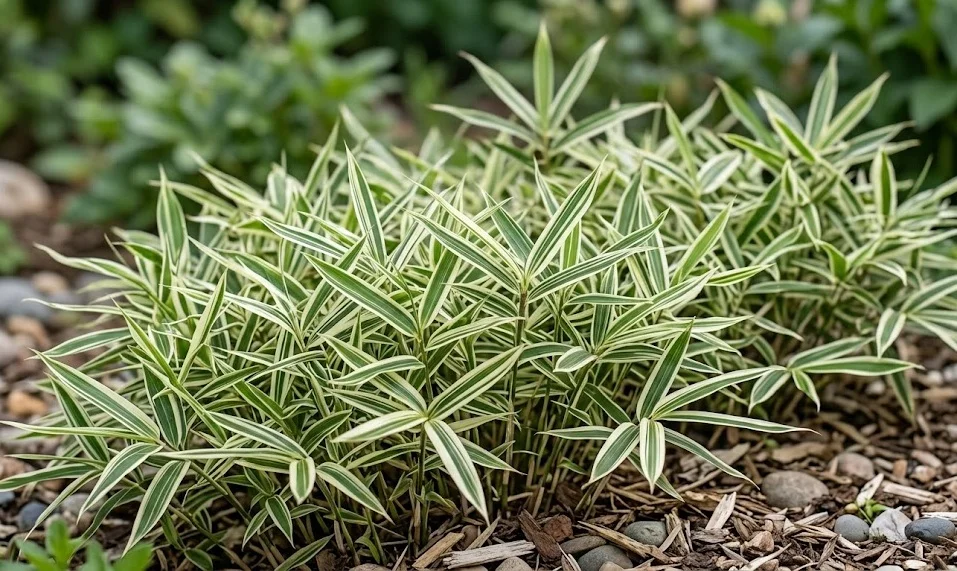

Successful establishment of this dwarf bamboo variety begins with a strategic approach to site selection and soil preparation. Because of its spreading nature, the planting process must involve more than just digging a hole; it requires thoughtful containment planning. When propagating this species, the goal is to harness its natural vigor to create new, healthy colonies that retain the beautiful variegation. This article explores the professional techniques used to ensure that every new plant gets the best possible start in the landscape.
Before a single shovel touches the dirt, the gardener must evaluate the environmental conditions of the chosen site. This bamboo prefers a location with partial shade, though it can tolerate more sun if the soil moisture is strictly managed. The soil should be cleared of aggressive weeds and enriched with organic matter to provide a hospitable medium for new roots. Planning the layout in advance prevents the need for disruptive transplanting later as the colony begins to expand.
The timing of planting is crucial for the survival and rapid establishment of the white-striped dwarf bamboo. Early spring is generally considered the ideal window, as it allows the plant to settle in before the heat of summer arrives. Planting during the dormant season or late autumn is also possible, provided the ground is not frozen and there is enough moisture. Avoiding the extreme temperatures of mid-summer reduces the transplant shock and allows for more consistent root development.
Container-grown specimens should be inspected for overall health and root structure before they are committed to the ground. If the plant has been in its pot for too long, the roots may be circling the interior, which can hinder outward growth. Gently loosening these roots during the planting process encourages them to explore the surrounding soil. A healthy plant should have vibrant, variegated leaves and no signs of pest infestation or nutrient deficiencies.
Site selection and soil preparation
The first step in creating a thriving bamboo patch is identifying a location that meets the plant’s specific biological needs. A site with dappled sunlight is often perfect, as it protects the white stripes from scorching while providing enough light for photosynthesis. Protection from harsh, drying winds is also a significant factor, as the thin leaves can lose moisture rapidly. Observing the garden’s light patterns throughout the day will help in making an informed decision.
More articles on this topic
Soil preparation is the silent work that determines the long-term success of the bamboo installation. Digging a wide area rather than just a deep hole allows the horizontal rhizomes to spread out more easily. Incorporating a blend of compost, peat, and aged manure improves the soil’s ability to hold water and nutrients. If the existing soil is heavy clay, adding grit or sharp sand can significantly improve the internal drainage.
A critical part of the preparation is the installation of a root barrier to contain the bamboo’s spreading habit. This barrier should be made of a durable material like high-density polyethylene and installed at a slight outward angle. By slanting the top of the barrier away from the plant, any wandering rhizomes are directed upward where they can be easily spotted. This proactive step is much easier to perform before the bamboo is actually in the ground.
Once the site is prepared, the soil should be thoroughly watered to settle any air pockets before planting begins. A stable, moist environment is essential for the delicate feeder roots that will emerge from the rhizomes. If the area is prone to drying out, installing a simple drip irrigation system at this stage can save a lot of manual labor later. Professional prep work creates a “launchpad” that allows the bamboo to transition seamlessly into its new home.
The planting process
When it is time to place the bamboo in its permanent home, the depth of the planting hole is a key consideration. The plant should be situated at the same depth it was growing in its original container to avoid burying the stem too deeply. Placing the plant too deep can lead to stem rot, while planting it too shallow can cause the roots to dry out. The goal is to create a seamless transition between the root ball and the surrounding garden soil.
More articles on this topic
After placing the plant in the hole, the backfill soil should be added gradually and firmed down gently by hand. Using excessive force or stepping on the soil can damage the brittle rhizomes and compress the air spaces needed for root respiration. As you fill the hole, you can add water periodically to help settle the soil around the roots and eliminate any large gaps. This “mudding in” technique is a favorite among professional landscapers for ensuring good soil-to-root contact.
Once the hole is filled, creating a small basin or “well” around the base of the plant helps to direct water toward the root zone. This ensures that irrigation reaches the most critical areas during the first few weeks of establishment. Applying a thick layer of organic mulch over the entire planting area further protects the roots and conserves moisture. The mulch should be kept a few centimeters away from the actual stems to prevent moisture from sitting against the bark.
The final step in the planting process is a thorough, deep watering that saturates the entire root zone and the surrounding prepared soil. This initial hydration is vital for helping the plant recover from the stress of being handled and moved. For the first few weeks, the gardener should monitor the soil daily and water whenever the surface feels dry. A successful planting results in a bamboo that looks as if it has always been part of the landscape.
Division and propagation methods
Propagating the white-striped dwarf bamboo is most effectively done through the division of existing clumps. This process involves digging up a portion of the colony and separating the rhizomes into smaller, viable units. Each division should have at least three to five healthy stems and a generous portion of the root system attached. This method ensures that the new plants are genetically identical to the parent and retain their beautiful variegation.
The best time for division is in early spring, just as the plant is beginning to wake up from its winter dormancy. At this stage, the energy stored in the rhizomes is ready to be deployed for new growth, which aids in rapid recovery. Using a sharp spade or a specialized root saw makes the process cleaner and reduces the trauma to the plant tissues. It is important to work quickly to prevent the exposed roots from drying out during the operation.
Once the divisions are separated, they should be potted up immediately or moved to their new location in the garden. If you cannot plant them right away, keeping them in a shaded area and covering the roots with damp burlap is a good temporary measure. The new divisions will need more frequent care than established plants until they develop a strong root system of their own. This hands-on approach to propagation is a cost-effective way to expand a bamboo collection.
Some growers also experiment with rhizome cuttings, which involve taking sections of the underground stems without any attached culms. While this method is slower, it can produce a large number of new plants from a single parent colony. These cuttings are typically placed in a light, sandy potting mix and kept in a high-humidity environment until new shoots emerge. Regardless of the method, the goal is always to maintain the health and vigor of the original plant.
Initial establishment phase
The first year after planting or propagation is known as the establishment phase and is the most critical time for the bamboo. During this period, the plant is focusing its energy on building a subterranean network of rhizomes rather than producing tall culms. It is common for the bamboo to appear relatively static above ground while a flurry of activity happens below the surface. Patience is required as the plant anchors itself firmly into its new environment.
Consistent moisture is the single most important factor during the establishment phase for any new bamboo. Even short periods of drought can damage the developing feeder roots and set the plant back by several months. The gardener should aim for soil that feels like a wrung-out sponge—damp but not dripping wet. Automated irrigation can be very helpful, but manual checks are still necessary to ensure the system is working correctly.
Fertilization should be kept light during the first few months to avoid burning the sensitive new roots. A slow-release, balanced organic fertilizer is usually the safest option for young plants. Once the bamboo shows signs of active growth, such as new leaves or small shoots, the feeding frequency can be gradually increased. The goal is to support the plant’s natural development without forcing it into excessive, weak growth.
Monitoring for signs of stress, such as leaf curling or premature browning, allows for quick intervention if things go wrong. Most issues during the establishment phase are related to water management or improper planting depth. By staying attentive and providing a stable environment, the gardener ensures that the white-striped dwarf bamboo will become a permanent and beautiful feature of the garden. A well-established plant is much more resilient to future environmental challenges.