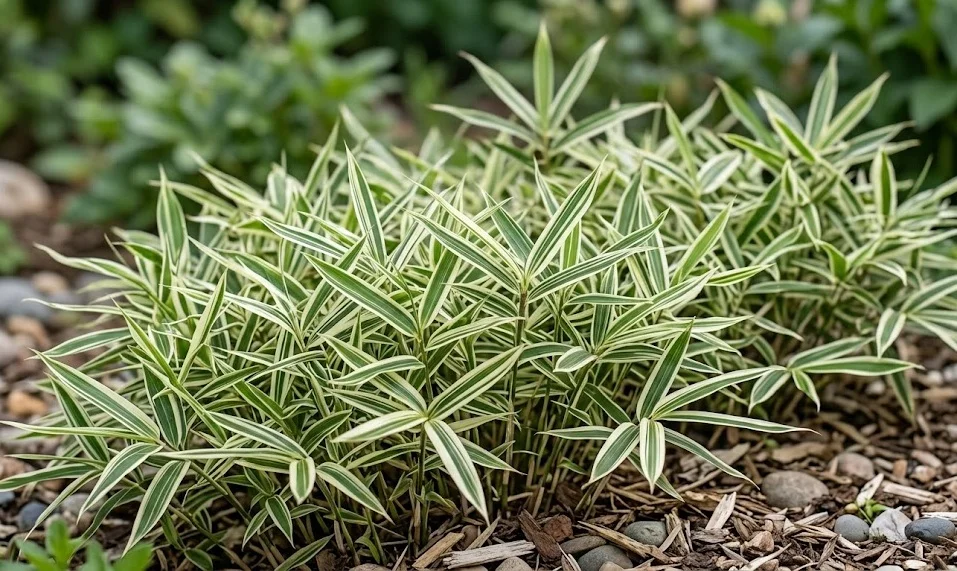

Pruning is the most powerful tool in the gardener’s arsenal for maintaining the shape, health, and vibrancy of white-striped dwarf bamboo. Unlike larger bamboo species that require selective thinning, dwarf varieties often benefit from more comprehensive cutting techniques to keep them looking their best. Because these plants grow quickly and have a dense habit, regular maintenance prevents them from becoming a tangled and unattractive mess. This article details the professional methods for pruning and rejuvenating this striking variegated groundcover.
The primary goal of pruning this bamboo is to encourage a continuous supply of fresh, young foliage which carries the most vivid white stripes. As the canes age, they tend to lose their luster, and the leaves can become tattered or dull over several seasons. By removing older material, the gardener makes room for new shoots that will emerge with peak color and vigor. This cycle of removal and regrowth is essential for maintaining a “high-definition” look in the landscape.
Structural pruning also helps to control the height and density of the bamboo patch, ensuring it fits perfectly within its designated space. If left unpruned, the colony can become too thick, which reduces air circulation and invites pests and diseases. A well-managed patch should look lush and uniform, with a clear sense of order and health. Understanding the timing and the right tools for the job is the first step toward professional-quality results.
For many gardeners, the idea of cutting a plant all the way to the ground can be intimidating, but for this species, it is often the best course of action. This “rejuvenation pruning” is a standard practice in botanical gardens and professional landscapes around the world. It allows the plant to hit a “reset button,” resulting in a perfectly even and vibrant carpet of foliage. By following the guidelines in this article, you can master the art of pruning your dwarf bamboo with confidence.
Essential tools and timing
The success of any pruning task starts with having the right tools for the job, kept in peak condition. For small patches of dwarf bamboo, a pair of sharp bypass pruners is often sufficient for selective thinning or shaping. If you are dealing with a larger groundcover area, a pair of manual hedge shears or even a powered hedge trimmer can make the work much faster. It is vital that all cutting edges are sharp to ensure clean wounds that heal quickly and do not invite disease.
More articles on this topic
Cleanliness is just as important as sharpness when it comes to garden tools. Before you begin pruning, and after you finish, you should wipe your blades with a disinfectant like rubbing alcohol. This prevents the accidental spread of pathogens from one part of the garden to another, which is especially important for evergreen plants. Taking a few minutes to care for your tools is a professional habit that protects the long-term health of your entire landscape.
Timing is the most critical factor in deciding when to prune your white-striped dwarf bamboo. The best time for major cutting back is in late winter or very early spring, just before the new growth begins to emerge. This allows the plant to spend the dormant season with its old foliage intact for protection, while ensuring the new shoots have no competition for space or light. Pruning at this time also minimizes the period when the garden bed looks empty or “shaved.”
Minor shaping and thinning can be done throughout the growing season if needed to maintain a specific look or boundary. However, avoid heavy pruning in late summer or autumn, as this can stimulate new growth that won’t have time to harden off before the first frost. By respecting the plant’s natural growth cycles, you ensure that your pruning efforts support rather than hinder its health. A well-timed prune is the foundation of a beautiful bamboo display.
Rejuvenation through total cutting
Every three to five years, many experts recommend cutting the entire patch of white-striped dwarf bamboo down to the ground. This process, known as rejuvenation pruning, removes all the old, tired wood and encourages a flush of entirely new, uniform growth. This is particularly effective for groundcover installations where a neat and tidy appearance is desired. While the area may look bare for a few weeks, the rapid recovery of the bamboo is often surprising and very rewarding.
More articles on this topic
To perform this “mowing” technique, you can use hedge shears or a brush cutter set to a height of about five to ten centimeters above the soil. Be careful not to damage the base of the plants or any emerging buds that might already be present near the surface. Removing all the old canes also gives you a great opportunity to clean up any debris or weeds that have hidden within the dense growth. It is a “deep clean” for your garden bed that pays off in foliage quality.
Immediately after a total cut-back, the plant will benefit from a light application of balanced fertilizer and a thorough watering. Because the plant has lost its ability to photosynthesize, it will rely on the energy stored in its rhizomes to push out new leaves. Providing the necessary nutrients and moisture ensures that this recovery is as fast and healthy as possible. Within a month or two, the bare ground will be replaced by a sea of fresh, brightly variegated leaves.
This method is also the most effective way to deal with a bamboo patch that has been damaged by a particularly harsh winter or a severe pest infestation. It effectively “erases” the damage and allows the plant to start over with a clean slate. Many gardeners find that the new growth is even more beautiful and vigorous than the material it replaced. Regular rejuvenation ensures that your dwarf bamboo never looks old or neglected.
Shaping and aesthetic maintenance
Beyond major rejuvenation, shaping is a regular part of maintaining the aesthetic appeal of variegated bamboo. If you are using this variety as a low hedge or an edging plant, you may want to shear the sides and top to keep a formal, clean line. This can be done several times during the growing season as the plant pushes out new runners and shoots. Shearing helps to increase the density of the foliage, creating a more solid “wall” of color.
Selective thinning is another technique used to create a more natural and airy look within a bamboo colony. This involves reaching into the center of the plant and cutting out individual old or crowded canes at ground level. This allows more light to reach the interior leaves and improves the overall air circulation of the patch. It is a more time-consuming process than shearing, but it results in a more elegant and three-dimensional appearance.
Removing any canes that have “reverted” to solid green is a vital part of maintaining the variegated look of the plant. Occasionally, a shoot may lose its white stripes and grow much more vigorously than the variegated stems. If left in place, these green shoots can eventually dominate the colony because they have more chlorophyll and more energy. Cutting these out as soon as they are spotted ensures that the white-striped character remains the dominant feature.
Finally, pruning can also be used to highlight the interesting structure of the bamboo stems themselves. By “limbing up” the lower branches of taller dwarf varieties, you can reveal the canes and create a miniature forest effect. This is a popular technique for container-grown bamboo or for plants used as focal points in a Japanese-style garden. No matter your goal, thoughtful pruning allows you to sculpt the bamboo into a living work of art.