
Pruning an atlas cedar is a delicate balance between maintaining its natural form and ensuring its structural safety within a managed landscape. Unlike many deciduous trees, conifers do not always respond well to heavy pruning, making a conservative approach necessary. Professional arborists focus on removing only what is essential to promote health and maintain the desired aesthetic. Mastering the timing and technique of pruning ensures that the tree remains a safe and beautiful feature for many years.
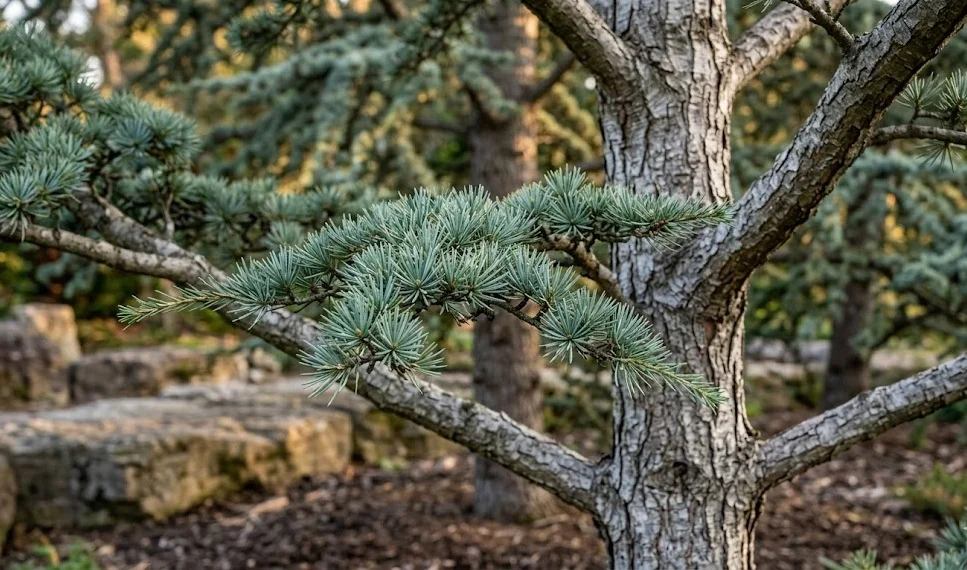
Aesthetic versus structural pruning represents two different goals that often overlap during the maintenance of an atlas cedar. Structural pruning focuses on removing competing leaders and narrowing the attachment angles of large branches to prevent future splitting. Aesthetic pruning involves thinning the canopy to highlight the tree’s unique architectural branching pattern or to manage its overall size. Both types of pruning should aim to work with the tree’s natural growth habit rather than forcing it into an unnatural shape.
Timing the cuts is one of the most important aspects of pruning any cedar species to avoid excessive sap bleeding and disease. The late winter or early spring, just before the buds begin to swell, is generally considered the ideal window for major structural work. This timing allows the tree to begin the healing process immediately as the spring growth flush starts. Light trimming or the removal of dead wood can be done at any time of year, provided the weather is not extremely hot or cold.
Tool selection and hygiene are critical to prevent the spread of pathogens between trees during the pruning process. Using sharp, high-quality bypass pruners and pruning saws ensures clean cuts that heal faster and look more professional. Disinfecting tools with a solution of alcohol or bleach between trees is a standard practice for professional gardeners to prevent the transmission of fungal spores. A clean cut reduces the surface area exposed to the elements and minimizes the stress placed on the tree’s vascular system.
Remedial pruning for older trees requires a deep understanding of the species’ limited ability to regenerate from old wood. Atlas cedars do not typically produce new growth from branches that have been stripped of all their green needles. Therefore, it is essential never to cut back into the “dead zone” where no green foliage is present, as that branch will likely die back completely. For mature specimens, focus on removing dead, diseased, or crossing branches to improve air circulation and light penetration into the inner canopy.