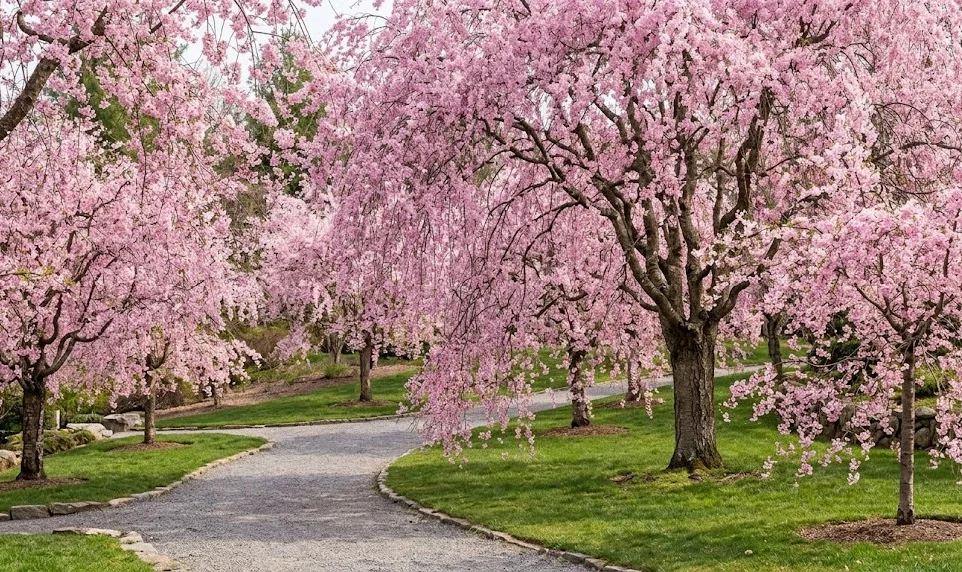

Maintaining the health of your ornamental cherry tree requires a proactive approach to identifying and managing various diseases and pests that can threaten its beauty and longevity. You will find that most issues can be managed effectively if they are caught early and treated with the appropriate professional techniques. It is important to remember that a healthy, well-maintained tree is naturally more resistant to most environmental threats. This guide will help you recognize the signs of trouble and provide you with the strategies needed to protect your prized specimens.
The first step in any successful pest management plan is regular and thorough inspection of the entire tree, from the roots to the highest branches. You should look for changes in leaf color, unusual spots, or the presence of insects that might be feeding on the foliage. Many problems are seasonal and tend to appear during specific weather conditions, such as high humidity or prolonged dry spells. Developing a sharp eye for these subtle clues allows you to intervene before a minor issue turns into a major infestation or disease outbreak.
Cleanliness in the garden is one of the most effective ways to prevent the spread of pathogens that cause many common tree diseases. You should always remove and dispose of fallen leaves and fruit, which can harbor fungal spores and provide a hiding place for overwintering pests. It is also vital to keep your pruning tools clean and disinfected, especially when moving between different trees in your landscape. These simple sanitary practices form the foundation of a professional-grade health management program for your ornamental garden.
While chemical treatments are sometimes necessary, you should always consider integrated pest management (IPM) as your primary strategy for tree care. This approach focuses on using biological controls, cultural adjustments, and the least toxic options first to minimize impact on the environment. You might find that encouraging beneficial insects like ladybugs and lacewings can do much of the work for you. By following these professional guidelines, you can maintain a beautiful and healthy tree that thrives in harmony with its natural surroundings.
Fungal issues
Fungal diseases are perhaps the most common challenge faced by cherry trees, especially in regions with damp springs and high summer humidity. You might notice brown rot, which manifests as wilting blossoms and sunken, dark lesions on the twigs and developing fruit. This fungus spreads rapidly through splashing rain and wind, making it important to prune out any infected wood as soon as it is identified. Ensuring good air circulation within the canopy is a primary defense against this and many other fungal pathogens.
More articles on this topic
Powdery mildew is another frequent visitor that appears as a white, flour-like coating on the surface of the leaves and young shoots. While it is rarely fatal, it can significantly detract from the tree’s appearance and reduce its ability to photosynthesize effectively. You can manage this by selecting resistant varieties and avoiding overhead watering, which keeps the foliage wet for extended periods. In severe cases, an application of a sulfur-based organic fungicide can help bring the infection under control and protect new growth.
Leaf spot and shot-hole disease are characterized by small, dark circles on the leaves that eventually fall out, leaving the foliage looking like it was hit by tiny pellets. This is often triggered by excessive moisture during the leaf-out period and can lead to premature defoliation if left untreated. You should focus on keeping the tree’s vitality high through proper watering and fertilization to help it outgrow the damage. Raking up and burning or disposing of all fallen leaves in the autumn is crucial for breaking the disease cycle for the following year.
Root rot is a more serious fungal concern that happens below the ground and is almost always caused by poorly drained or overwatered soil. You will see the symptoms in the canopy first, where leaves may turn yellow and the entire tree might appear to be wilting despite plenty of water. Unfortunately, once root rot has taken hold, it can be very difficult to save the tree without dramatic changes to the environment. Prevention through proper site selection and drainage management is always the best professional approach to this devastating issue.
Bacterial concerns
Bacterial canker is a significant threat to many members of the Prunus family, showing up as oozing, gummy lesions on the trunk and main branches. You might also see “dieback,” where entire branches suddenly lose their leaves and the wood begins to darken and shrivel. This bacteria often enters through wounds in the bark or through the leaf scars left behind after the foliage falls in the autumn. It is most active during cool, wet weather, making early spring and late fall the times of highest risk for your tree.
More articles on this topic
Managing bacterial canker requires a combination of careful pruning and the use of protective copper-based sprays in the late autumn and early spring. You should prune out any infected branches during the dry summer months when the bacteria are least active and the wounds can heal quickly. It is essential to cut back into healthy wood, several inches below the visible signs of infection, to ensure you have removed all the bacteria. Always sterilize your tools between every single cut to prevent spreading the infection to healthy parts of the tree.
Fire blight is another bacterial disease that can occasionally affect ornamental cherries, causing blossoms and shoots to look like they have been scorched by fire. The tips of the infected branches often curl into a distinctive “shepherd’s crook” shape, which is a classic sign of this particular pathogen. This bacteria is spread by insects and rain, and it can move very quickly through the vascular system of the tree if the conditions are favorable. Prompt removal of infected tissue is the only way to stop the spread and protect the rest of the specimen.
Crown gall is a bacterial issue that causes large, woody swellings or “galls” to form at the soil line or on the roots of the tree. These galls can interfere with the tree’s ability to transport water and nutrients, leading to stunted growth and general decline over several years. You should avoid wounding the bark near the base of the tree with lawnmowers or other garden equipment, as these injuries are the primary entry points. If you find crown gall on a young tree, it is often better to replace the specimen entirely rather than risk spreading the bacteria.
Insect pests
Aphids are small, soft-bodied insects that cluster on the underside of young leaves and suck the nutrient-rich sap from the tree. You will notice that the leaves often curl or become distorted, and a sticky substance known as honeydew might coat the foliage below the infestation. While a few aphids are rarely a major problem, large populations can weaken the tree and encourage the growth of black sooty mold. A strong blast of water from a garden hose is often enough to dislodge most of the insects and keep their numbers in check.
Scale insects are another common pest that look like small, immobile bumps on the bark of the twigs and branches. They feed by piercing the bark and can cause significant dieback if they are allowed to multiply without any intervention from you. You can treat scale during the dormant season with an application of horticultural oil, which works by smothering the overwintering insects and their eggs. This is a very effective and low-toxicity method that is favored by professional arborists for managing persistent scale problems.
Tent caterpillars and webworms can be a dramatic visual problem as they build large, silken nests in the branches and strip the leaves from the tree. You can often remove these nests by hand or with a long pole in the early morning or late evening when the caterpillars are all inside. If the infestation is too large to manage manually, an organic spray containing Bacillus thuringiensis (Bt) can target the caterpillars without harming beneficial insects. These pests are usually cyclical, and their impact is mostly aesthetic unless the tree is completely defoliated several years in a row.
Japanese beetles are a significant summer pest in many areas, known for their ability to skeletonize the leaves of ornamental cherries in a matter of days. You will see them as metallic green and bronze beetles feeding in large groups on the upper parts of the canopy. While traps are available, they often attract more beetles to your garden than they catch, so manual removal or protective sprays are usually more effective. Keeping the tree healthy and well-watered helps it recover from the mid-summer feeding frenzy of these persistent insects.
Preventative measures
Preventing issues before they start is always the most professional and cost-effective way to manage the health of your ornamental cherry trees. You should focus on the “right plant, right place” philosophy, ensuring that the tree has the light, soil, and space it needs to thrive naturally. A tree that is under constant stress from poor environmental conditions will always be the first to succumb to diseases and pest attacks. Providing consistent water and proper nutrition builds the internal defenses that the tree uses to fight off invaders.
Encouraging biodiversity in your garden is a powerful way to create a natural balance that keeps pest populations under control without your constant intervention. You can plant a variety of flowering perennials that attract predatory insects, birds, and other beneficial wildlife that feed on common garden pests. This creates a mini-ecosystem where “good bugs” help manage the “bad bugs” on your behalf, reducing the need for chemical sprays. A diverse and healthy garden is a much more stable environment for your prized ornamental specimens to grow in.
Regular pruning is not just about aesthetics; it is a vital preventative measure that improves air circulation and light penetration throughout the canopy. You should remove any dead, damaged, or diseased wood as soon as you see it, regardless of the time of year. This “sanitation pruning” removes potential sources of infection and prevents pathogens from moving deeper into the main structure of the tree. Keeping the center of the tree open allows the leaves to dry more quickly after rain, which significantly reduces the risk of fungal infections.
Monitoring the weather and staying informed about local pest alerts can help you prepare for specific threats before they reach your garden. You should pay close attention to periods of unusual warmth in the winter or prolonged wet spells in the spring, which often trigger disease outbreaks. Having the necessary supplies on hand, such as horticultural oil or organic fungicides, allows you to act quickly when the need arises. Being a proactive and informed gardener is the best way to ensure the long-term health and beauty of your landscape.
Treatment strategies
When you do identify a problem that requires active treatment, you should always start with the most conservative and least toxic options available. You might find that simply adjusting your watering schedule or adding a layer of compost can give the tree the boost it needs to overcome a minor issue. For more persistent problems, specialized soaps and oils can provide effective control for many common pests with minimal impact on the environment. Always read and follow the label instructions carefully to ensure you are using these products safely and effectively.
For fungal diseases, timing is everything, and treatments are usually most effective when applied just as the symptoms first appear or even before they start if the weather is favorable for infection. You should focus your applications on the areas of the tree where the disease is most active, ensuring thorough coverage of both the upper and lower leaf surfaces. Repeated applications may be necessary, especially during wet weather, to provide continuous protection for the developing foliage and blossoms. Consistency is the key to managing fungal pathogens and preventing them from spreading further.
If you are dealing with a severe bacterial or fungal infection that is threatening the main structure of the tree, you may need to consult with a professional arborist. They have the expertise and the specialized equipment needed to perform deep trunk injections or other advanced treatment methods. In some cases, the most responsible professional decision is to remove a severely diseased tree to prevent it from infecting other susceptible plants in your garden. This can be a difficult choice, but it is sometimes necessary for the health of the entire landscape.
Finally, always follow up any treatment with extra care and attention to help the tree recover from the stress of the disease or pest attack. You should provide consistent water and perhaps a light application of a balanced fertilizer to support the growth of healthy new tissue. Monitor the tree closely over the following months to ensure the treatment was successful and that no new issues are developing. Your commitment to the recovery process is what truly defines a professional approach to ornamental tree management.