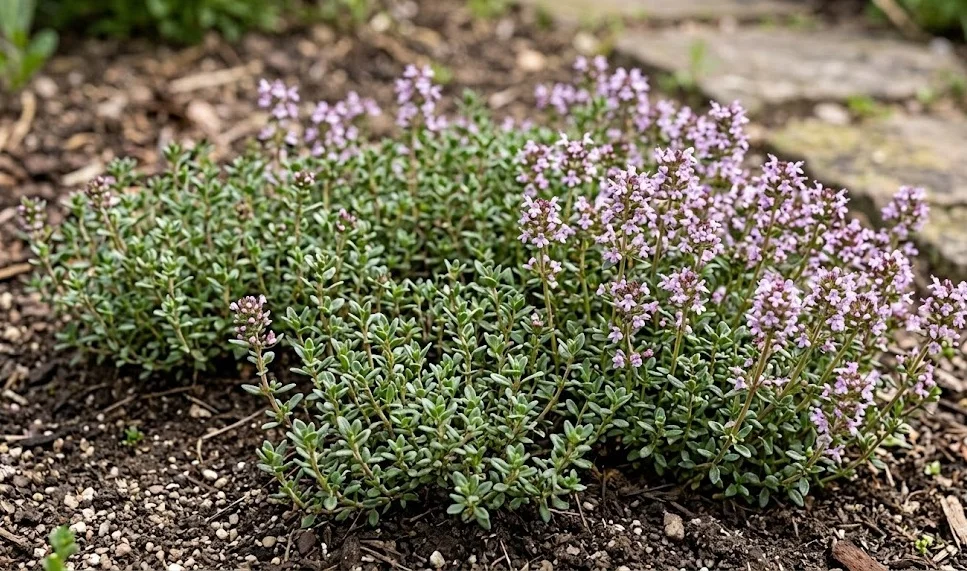

Overwintering garden thyme is a critical phase in the life cycle of this Mediterranean perennial, especially for gardeners in regions with harsh winters. You must take proactive steps to ensure that the plant’s root system and woody structure are protected from the damaging effects of extreme cold and desiccation. While many varieties are remarkably hardy, the combination of freezing temperatures and wet soil can be a lethal combination if not managed properly. A well-executed overwintering strategy will allow your herbs to enter a healthy dormancy and emerge with vigor once spring arrives.
The primary challenge during the winter months is not just the cold itself, but the fluctuation of temperatures and the potential for moisture to sit around the plant’s crown. You should recognize that dormant plants require very little interaction, but the preparation work you do in the late autumn is essential for their survival. Creating a stable environment that shields the herb from the most aggressive winter elements is the goal of any professional gardener. By respecting the natural cycles of the plant, you ensure its long-term productivity and health in your agricultural landscape.
Monitoring the winter weather patterns will help you determine if extra interventions are needed during particularly severe spells of frost or snow. You should be prepared to provide temporary protection if a deep freeze is predicted without the insulating benefit of a natural snow cover. Snow can actually be a friend to the gardener by providing a consistent layer of insulation that protects the soil from rapid temperature shifts. Understanding these natural dynamics allows you to work with the environment to protect your valuable herb collection through the darkest months of the year.
As winter draws to a close, your focus will shift toward preparing the plant for its transition back into the active growing season. You must be patient and avoid the temptation to start pruning or fertilizing too early, as late frosts can easily damage tender new growth. Observing the slow awakening of the garden is a rewarding experience that signals the success of your overwintering efforts. Following professional guidelines during this period ensures that your thyme remains a resilient and aromatic feature of your garden for many years to come.
Preparing for the first frost
The preparation for winter should begin long before the first frost arrives, starting with a gradual reduction in your maintenance activities during late summer and early autumn. You should stop fertilizing the plants by mid-August to discourage the production of soft, new growth that would be easily killed by the cold. Allowing the stems to naturally harden off and become more woody is a vital physiological process that prepares the plant for dormancy. This professional timing ensures that the herb’s energy is focused on building up internal reserves rather than expansion.
More articles on this topic
You should also adjust your watering routine as the days become shorter and the temperatures begin to drop in the evening. Reducing the amount of supplemental water helps the plant transition into a state of rest and prevents the soil from staying too wet as evaporation rates decrease. However, you must ensure the plants are not completely dry going into the first hard freeze, as hydrated cells are better able to withstand the cold than desiccated ones. A final deep watering in late autumn, before the ground freezes solid, is often a wise move for long-term survival.
Cleaning up the area around your thyme plants is another important task to complete before the snow starts to fall or the frost becomes permanent. You should remove any fallen leaves from nearby deciduous trees, as these can trap moisture and cause rot on the low-growing branches of the herb. Weeding the bed one last time ensures that there is no competition for resources and that no pests are finding a cozy place to overwinter near your plants. A clean and organized garden bed is much less likely to suffer from disease issues during the damp winter months.
If you are growing varieties of thyme that are known to be less cold-hardy, you might want to consider taking a few cuttings as a form of insurance. You can keep these small plants on a sunny windowsill indoors throughout the winter to ensure you have a backup if the main plants do not survive. This professional approach to risk management allows you to experiment with more delicate varieties without the fear of losing them entirely. Being prepared for the worst while hoping for the best is the hallmark of a seasoned and successful herb gardener.
Insulation and mulching techniques
Applying a layer of mulch is one of the most effective ways to insulate the soil and protect the roots of your thyme from the freeze-thaw cycle. You should use a breathable, inorganic mulch like pea gravel or crushed stone which provides protection without trapping excessive moisture against the crown of the plant. If you live in an area with extremely cold temperatures, a light covering of evergreen boughs can provide an extra layer of wind protection. These branches trap snow and create a stable microclimate that shields the foliage from the drying effects of winter winds.
More articles on this topic
Avoid using heavy organic mulches like wet straw or bark chips, which can become a sodden mess and lead to fungal problems during the winter. You want to keep the base of the plant as dry as possible to prevent the stems from rotting while the herb is in its dormant state. If you do use organic materials, ensure they are light and airy, such as pine needles, which allow for excellent drainage and air circulation. The goal is to provide a thermal blanket that breathes, rather than a heavy shroud that smothers the plant.
In regions where the soil stays frozen for long periods, “heaving” can occur as the ground expands and contracts, potentially pushing the plants out of the earth. You should check your herb beds periodically during a thaw to make sure the roots are still firmly anchored in the soil and have not been exposed to the air. If you see roots showing, gently press the plant back into place and add a bit more mulch to cover the vulnerable areas. This simple act of monitoring can save a plant that would otherwise perish from exposure during the next cold snap.
The depth of your mulch should be carefully managed to provide enough insulation without burying the plant entirely. A layer of about five to eight centimeters is usually sufficient to stabilize the soil temperature and protect the root zone of most Mediterranean herbs. You should pull the mulch back slightly from the actual stems of the thyme to ensure that there is a bit of air space right at the center of the clump. This professional attention to detail minimizes the risk of moisture-related decay while still providing the necessary warmth for the roots.
Container care during winter
Thyme grown in containers is much more vulnerable to the cold because the roots are not insulated by the large mass of the earth. You should consider moving your pots to a more sheltered location, such as against a south-facing wall or into an unheated garage or greenhouse. If the containers are too large to move, you can wrap them in burlap, bubble wrap, or specialized frost blankets to provide a layer of insulation for the root ball. This extra effort is essential for preventing the soil in the pot from freezing solid and killing the plant within a few days.
Watering potted herbs during the winter is a delicate task that requires a light touch and careful observation of the soil condition. You should only water on days when the temperature is above freezing and the soil feels dry to the touch several inches down. The goal is to provide just enough moisture to prevent the roots from drying out completely, without leaving the pot sitting in a block of ice. Because the plant is dormant and evaporation is low, you will likely only need to water once every few weeks at most.
Ensuring that your pots have excellent drainage is even more critical during the winter when water can easily freeze and block the drainage holes. You should elevate your containers off the ground using “pot feet” or bricks to allow water to flow away freely and prevent the base from freezing to the patio. If a pot becomes waterlogged during a thaw, it can quickly lead to root rot once the temperatures rise again in the spring. A professional container setup is designed to move water away from the plant as quickly as possible, regardless of the season.
For the most delicate or valuable varieties, bringing the pots indoors to a cool, bright room might be the safest option for the winter months. You should place them near a window that receives plenty of light but is away from any direct heat sources like radiators or vents. Indoor environments are often very dry, so you might need to mist the foliage occasionally or use a humidity tray to keep the plants happy. By providing a controlled environment, you can keep your thyme productive and green even while the garden outside is covered in snow.
Early spring transition steps
As the days begin to lengthen and the soil starts to warm, your thyme will slowly begin to wake up from its winter dormancy. You should resist the urge to immediately remove all the winter protection as soon as you see the first signs of green at the tips of the branches. Late spring frosts are common and can be devastating to new, tender growth that has been encouraged by a few unusually warm days. Gradually thinning out the mulch or removing the evergreen boughs over the course of a week or two is a safer and more professional approach.
This is the perfect time to assess any winter damage and to plan your spring maintenance routine for the coming weeks. You should look for stems that have become brittle or brown and use sharp, clean shears to remove them once the danger of hard frost has passed. Do not be alarmed if the plant looks a bit ragged or “dusty” after the long winter, as it will soon produce a flush of fresh, vibrant foliage. Clearing away any debris that has accumulated over the winter will help improve airflow and prepare the bed for the new growing season.
Wait until you see active new growth before you apply any light fertilizer or compost to give the plants a boost for the year. Applying nutrients too early can stimulate growth while the soil is still too cold, leading to stress and potential nutrient imbalances. A small amount of balanced organic fertilizer will provide the necessary fuel for the herb to rebuild its structure and prepare for the summer harvest. This professional patience ensures that the plant remains strong and healthy as it enters its most productive phase.
Finally, take a moment to reflect on the success of your overwintering strategy and make notes for the following year in your garden journal. You might find that some varieties handled the cold better than others, or that a specific location in your garden provided better protection. This constant learning and adaptation is what makes a great gardener and ensures the long-term success of your agricultural projects. With the right care and preparation, your thyme will continue to provide beauty and flavor to your life for many seasons to come.