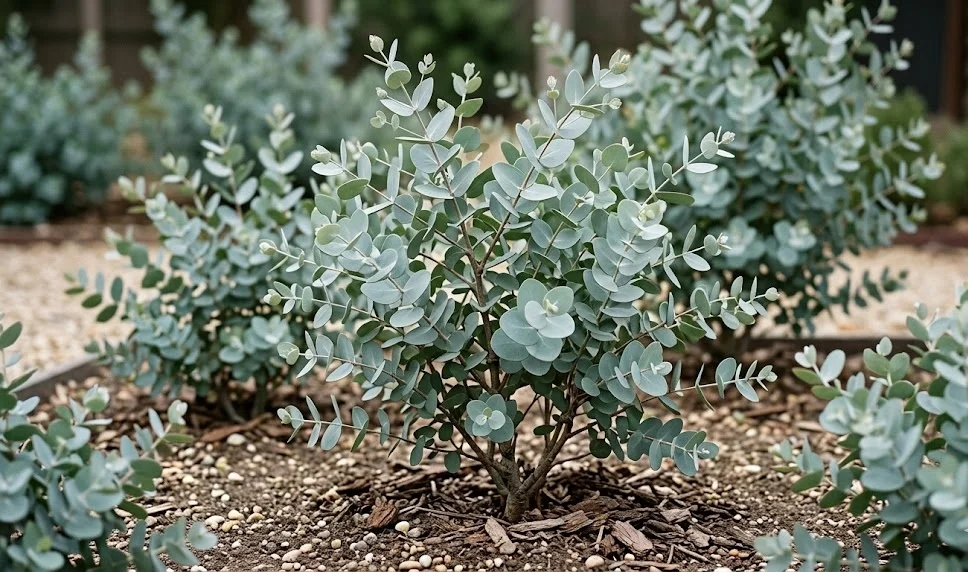

Providing the appropriate amount of sunlight is one of the most critical factors in determining the health, shape, and foliage color of a cider gum tree. As a species native to the open landscapes of Australia, this tree is genetically programmed to thrive in environments with high light intensity and long periods of direct sun. In a garden setting, placing the tree in a location that meets these specific requirements will ensure vigorous growth and the development of its iconic silvery-blue leaves. Understanding the nuances of light exposure allows you to optimize the performance of your tree and avoid common issues related to shade stress.
The relationship between light and the cider gum’s growth habit is very direct; the more sun the tree receives, the more compact and robust its structure will be. In full sun, the tree produces shorter internodes, which are the spaces between the leaves, leading to a denser and more attractive canopy. Conversely, if the tree is grown in a spot that is too shady, it will often become “leggy” as it stretches toward the nearest light source. This search for light can result in weak, spindly branches that are more prone to breaking and a canopy that looks thin and unappealing.
Light also plays a major role in the production of the protective waxes that give the leaves their unique color and aromatic scent. The silvery-blue hue is actually a biological adaptation to reflect intense sunlight and prevent the leaves from overheating or losing too much moisture. When grown in lower light conditions, you may notice that the foliage becomes greener and loses some of its distinctive metallic sheen. To maintain the aesthetic quality that makes this tree so desirable, a high-light environment is not just a preference, but a professional necessity.
In the following sections, we will delve deeper into how sunlight affects the tree at different stages of its life and in various garden placements. Whether you are planting a single specimen as a focal point or using several as a screen, the light conditions of the site will be the foundation of your success. By learning to “read” the light in your garden, you can make informed decisions that promote the long-term vitality of your cider gum. A well-lit tree is a healthy tree, capable of reaching its full majestic potential in your outdoor space.
Optimal sun exposure for growth
For the best results, a cider gum should be planted in a location that receives at least six to eight hours of direct sunlight every day. This level of exposure, often referred to as “full sun,” provides the energy necessary for the rapid photosynthesis that the species is known for. The morning sun is particularly beneficial, as it helps to dry the foliage quickly after the dew has settled, reducing the risk of fungal diseases. A south-facing or west-facing position in the garden is usually ideal for meeting these high light requirements throughout the year.
More articles on this topic
If you are gardening in a region with very intense summer heat, you might worry that too much sun could be harmful, but the cider gum is remarkably heat-tolerant. In fact, it is often in these bright, warm conditions that the tree looks its absolute best and produces the most aromatic oils. The only caveat is that a tree in full sun will have a higher demand for water, especially during its first few years of establishment. Ensuring that the roots stay hydrated while the canopy enjoys the sun is the key to a thriving and vibrant specimen.
The quality of the light is just as important as the quantity, and a site that is open to the sky will always be better than one under the canopy of larger trees. Dappled shade, where the light is filtered through the leaves of another plant, is generally not sufficient for the long-term health of a cider gum. While the tree may survive in these conditions for a while, it will never reach its full potential and will always be more susceptible to pests and diseases. When choosing a site, always look up to ensure there are no major obstructions that will block the sun as it moves across the sky.
Seasonality also affects how much light reaches your tree, especially if there are deciduous plants or buildings nearby. A spot that seems sunny in the summer might be cast into deep shade during the winter when the sun is lower in the horizon. You should evaluate the potential planting site at different times of the year to ensure the tree gets enough light during its active growing season. This foresight prevents the frustration of seeing your tree struggle once the shadows lengthen in the autumn and winter months.
Effects of shade and low light
Growing a cider gum in excessive shade leads to several physiological problems that can compromise the tree’s health and aesthetic value. The most immediate sign of light deficiency is “etiolation,” where the stems grow unusually long and thin as the plant tries to reach more light. These weak stems often lack the structural integrity to support their own weight, leading to a drooping or weeping appearance that is not characteristic of a healthy tree. Furthermore, the foliage in the shade will be much less dense, leaving the tree looking sparse and unhealthy.
More articles on this topic
In low-light environments, the tree’s immune system is also significantly weakened, making it a prime target for various pests and fungal infections. Many common garden pathogens thrive in the cool, damp, and stagnant conditions that are often found in shady corners. Without the drying effect of the sun and the benefit of good air circulation, the foliage can remain wet for long periods, inviting leaf spots and mildews to take hold. A tree that is struggling for light simply doesn’t have the energy reserves to defend itself effectively against these biological threats.
The characteristic silvery-blue color of the leaves will also fade significantly if the tree does not receive enough direct sunlight. You may notice the leaves becoming a dull, dark green and losing the waxy coating that provides their attractive metallic finish. This change is the plant’s way of trying to absorb as much light as possible by increasing its chlorophyll density, but it ruins the very look that most gardeners are trying to achieve. If you see your tree losing its color, it is a strong signal that it needs to be moved to a brighter location.
If you have a cider gum that is currently in a spot that is too shady, there are a few things you can do to improve its situation. Pruning back overhanging branches from nearby trees can let in more light and improve the overall environment for your specimen. In some cases, it might even be worth transplanting the tree to a sunnier part of the garden while it is still young enough to move. Taking these corrective steps early will save the tree from a slow decline and restore its natural beauty and vigor.
Lighting for indoor and potted trees
Cider gums are increasingly popular as indoor plants or as specimens for patios and balconies, but meeting their light needs in these settings can be challenging. An indoor cider gum needs to be placed in the absolute brightest spot available, ideally right next to a large south-facing window. Even in a very bright room, the light levels are significantly lower than they are outdoors, so you must be vigilant about the tree’s health. Rotating the pot every week ensures that all sides of the tree get equal exposure and prevents it from leaning toward the window.
If your indoor space doesn’t provide enough natural light, you can supplement it with specialized “grow lights” that mimic the spectrum of the sun. These lights should be kept on for 12 to 14 hours a day to provide the tree with enough energy to maintain its growth and color. While not as effective as real sunlight, high-quality LED grow lights can make it possible to keep a healthy cider gum in a room that would otherwise be too dark. This professional approach allows you to enjoy the aromatic foliage of the tree even if you don’t have a sunny garden.
Potted trees on balconies or patios also need to be positioned carefully to maximize their sun exposure throughout the day. Buildings and railings can create deep shadows that move quickly, so you may need to adjust the position of your pots as the seasons change. Because the light is often one-sided in these urban environments, regular rotation of the container is even more important than it is in an open garden. This simple task ensures that the tree develops a balanced and attractive canopy rather than growing lopsided.
Finally, keep in mind that the light requirements of the cider gum remain consistent regardless of where it is grown. Whether in the ground or in a pot, indoors or out, this tree is a sun-lover through and through. By prioritizing light in your care routine, you are respecting the biological heritage of the species and setting the stage for a successful gardening experience. A well-lit cider gum is a true joy to behold, bringing a touch of the bright Australian landscape into your own personal outdoor or indoor space.