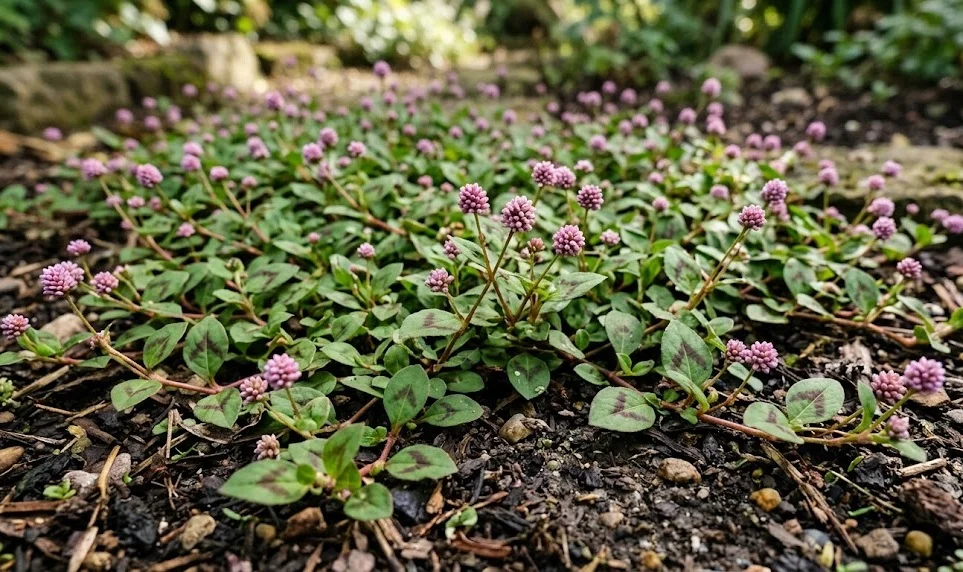

Strategic pruning is the secret to maintaining a pink knotweed carpet that looks manicured rather than messy. While the plant is naturally low-growing, its enthusiastic spreading habit means it can quickly outgrow its designated space or become thin in the center. By applying professional trimming techniques at the right times of the year, you can control its expansion and encourage a fresh flush of beautiful foliage. Mastering the art of the cut is essential for any gardener who wants to keep this vigorous species in peak condition.
Routine maintenance and edge control
The most frequent type of pruning you will perform on your pink knotweed is edge maintenance to keep it from wandering. Because the plant spreads via surface runners, it is very easy for it to creep into adjacent lawns, paths, or other flower beds. Using a sharp pair of garden shears or a dedicated edging tool, simply trim back any stems that have crossed your established boundaries. Doing this once a month during the growing season is usually enough to keep the patch perfectly contained.
When you are trimming the edges, try to make your cuts just above a leaf node (the point where a leaf meets the stem). This encourages the plant to branch out and become even denser at the perimeter, creating a very clean and professional finish. Don’t be afraid to be firm with your pruning; the plant is exceptionally resilient and will bounce back quickly from even heavy trimming. Regular intervention is much easier than trying to clear a large area that has been overtaken by months of unchecked growth.
If the center of your knotweed patch starts to look a bit tired or “woody,” you can use a light pruning technique to rejuvenate it. Simply shear off the top few centimeters of the foliage across the entire area to stimulate new, vibrant growth from the base. This is best done in early summer after the first flush of spring growth has matured. Within a couple of weeks, you will be rewarded with a fresh carpet of leaves that looks much more youthful and colorful.
Always use clean, sharp tools when pruning to ensure you make clean cuts that heal quickly and don’t invite disease. Dull blades can crush the stems, creating ragged wounds that are more susceptible to fungal infections. It is a good habit to wipe your shears with a bit of rubbing alcohol before moving from one part of the garden to another. This professional level of sanitation is the best way to maintain the overall health of your landscape while you work.
More articles on this topic
Controlling invasive growth and rejuvenation
In some garden environments, pink knotweed can become a bit too successful, threatening to smother smaller or more delicate plants. If you notice it starting to climb over its neighbors, you should intervene immediately with a more aggressive pruning approach. Trace the offending runners back to their source and cut them off entirely, removing any sections that have already started to root into the ground. This decisive action protects your more sensitive specimens and maintains the balance of your garden design.
If a patch has become completely overgrown or has lost its ornamental value due to neglect, a radical “rejuvenation prune” may be necessary. This involves cutting the entire plant back to within five or ten centimeters of the ground in early spring. While it might look a bit drastic at first, this process clears away all the old, tired material and allows the plant to start fresh. This is a common practice in professional landscaping to refresh large areas of groundcover every few years.
After a heavy rejuvenation prune, it is a good idea to provide the plant with a little extra care to help it recover. A light application of balanced fertilizer and a deep watering will give the new shoots the boost they need to fill in the space quickly. You will be amazed at how fast the pink knotweed can rebuild its carpet when given a clean slate and plenty of nutrients. By mid-summer, you likely won’t even be able to tell that the plant was cut back so severely.
This technique is also useful for managing the height of the groundcover if it starts to get a bit too tall for your liking. By keeping the plant regularly trimmed, you can maintain a very low, tight profile that highlights the texture of the leaves. Many gardeners prefer this manicured look for formal garden settings or along the edges of stone walkways. Pruning is your primary tool for shaping the plant to fit your specific vision and functional requirements.
More articles on this topic
Seasonal rejuvenation and flowering management
The timing of your pruning can also be used to influence the flowering cycle of your pink knotweed. If you want a late-season burst of pink globes, a light trim in mid-summer can encourage the plant to produce a fresh set of flower buds. Removing the spent flowers (deadheading) is not strictly necessary for the plant’s health, but it does keep the patch looking much cleaner and more professional. In a large groundcover application, you can simply use a string trimmer on a high setting to quickly “mow” the spent flowers off.
In late autumn, as the plant begins to slow down, you should avoid any heavy pruning that might encourage new, tender growth. This new foliage would be very vulnerable to damage from the first frosts, which could sap the plant’s energy before winter. Instead, just do a final light cleanup of the edges and remove any obviously diseased or dead material. Let the remaining foliage stay in place to provide a bit of natural protection for the crown during the cold months.
Once the winter has passed and the first signs of spring appear, you can do your main seasonal cleanup. Remove all the dead, brown top growth from the previous year to make way for the new emerald and bronze shoots. This task is easiest if you wait until the material is completely dry and brittle, as it can often be pulled away by hand or easily raked off. Clearing this debris ensures that sunlight and air can reach the soil surface, warming it up and waking up the dormant roots.
Finally, remember that pruning is a flexible process that should be adapted to the specific needs of your garden and the weather conditions of the year. Some years the plant may grow more vigorously and require more frequent attention, while in drier years it may need very little trimming. By staying observant and proactive, you can use pruning as a creative tool to enhance the beauty and longevity of your pink knotweed. A well-pruned plant is a sign of a thoughtful and professional gardener.