
Providing the right care for your garden plants starts with understanding their specific environmental preferences within a temperate landscape setting. These plants are not your typical garden-variety flowers because they demand a level of moisture that would rot the roots of many other species. You must look for a spot that naturally retains water or is located near a water feature to ensure they never dry out completely. A successful gardener knows that observing the natural habitat of a species is the best way to replicate success in a domestic garden.
Creating the ideal environment
Finding a location with dappled shade is the next crucial step in your care routine for these elegant perennials. While they love water, they are quite sensitive to the intense heat of the afternoon sun which can scorch their delicate foliage. You should aim to place them under a canopy of deciduous trees where the light is filtered throughout the day. This setup provides the cooling effect they need to maintain their vibrant green leaves and sturdy flowering stems.
Soil preparation is another cornerstone of effective care that you cannot afford to overlook if you want healthy plants. The ground needs to be rich in organic matter to provide the necessary nutrients for the heavy blooming period in late spring. You can achieve this by incorporating well-rotted leaf mold or compost into the planting area several weeks before you introduce the flowers. Rich soil helps the plant establish a deep and resilient root system that can withstand minor environmental fluctuations.
Finally, you must consider the spacing between individual specimens to allow for adequate air circulation and growth. Crowding these primroses can lead to stagnant air pockets which might encourage the development of fungal issues. Give each plant enough room to expand its rosette of leaves without touching its neighbor too closely during the first year. Proper spacing also makes it much easier for you to perform routine maintenance tasks like weeding and inspecting for pests.
Understanding soil requirements
The soil quality is perhaps the most significant factor in determining the long-term success of your planting project. These perennials thrive in heavy, moisture-retentive soils that would be considered too boggy for most other garden residents. You should avoid sandy soils that drain too quickly unless you are prepared to amend them heavily with clay or organic compost. The goal is to create a substrate that feels like a damp sponge throughout the entire growing season.
More articles on this topic
Acidity levels in the soil also play a vital role in the health and coloration of the flowers. These plants generally prefer a neutral to slightly acidic pH level to absorb minerals effectively from the ground. If your soil is too alkaline, you might notice the leaves turning yellow, which is a sign of nutrient lockout. Adding sulfur or peat-alternative acidifiers can help you reach the desired balance for optimal growth.
Managing the texture of the earth is just as important as managing its chemical composition for root health. You want a soil that is loose enough for roots to penetrate but dense enough to hold onto every drop of available moisture. If you have very compacted clay, you should work in some coarse organic matter to improve the structure without losing the water-holding capacity. This balance ensures that the roots can breathe while staying perfectly hydrated at all times.
You can also use natural mulches to maintain the soil quality and keep the temperature stable during the summer months. Bark chips or shredded leaves work wonders for keeping the root zone cool when the air temperature starts to rise. This layer of protection also breaks down over time, feeding the soil with fresh nutrients and improving the overall tilth. You should apply a fresh layer every spring to ensure the plants stay happy and the soil remains fertile.
The importance of consistent moisture
Watering is not just a chore but a vital lifeline for these moisture-loving species that cannot tolerate even brief periods of drought. If the soil dries out completely, the plant will quickly wilt and may suffer permanent damage to its crown. You need to develop a routine that keeps the ground consistently wet without allowing it to become completely stagnant and oxygen-deprived. During the peak of summer, you might find yourself checking the moisture levels every single day.
More articles on this topic
Natural rainfall is rarely enough to satisfy these thirsty plants, especially if they are positioned under the rain shadow of large trees. You should supplement with a garden hose or a drip irrigation system that targets the base of the plant directly. This method ensures that the water reaches the roots where it is needed most without wetting the foliage excessively. Keeping the leaves dry helps prevent many common diseases that thrive in high-humidity environments.
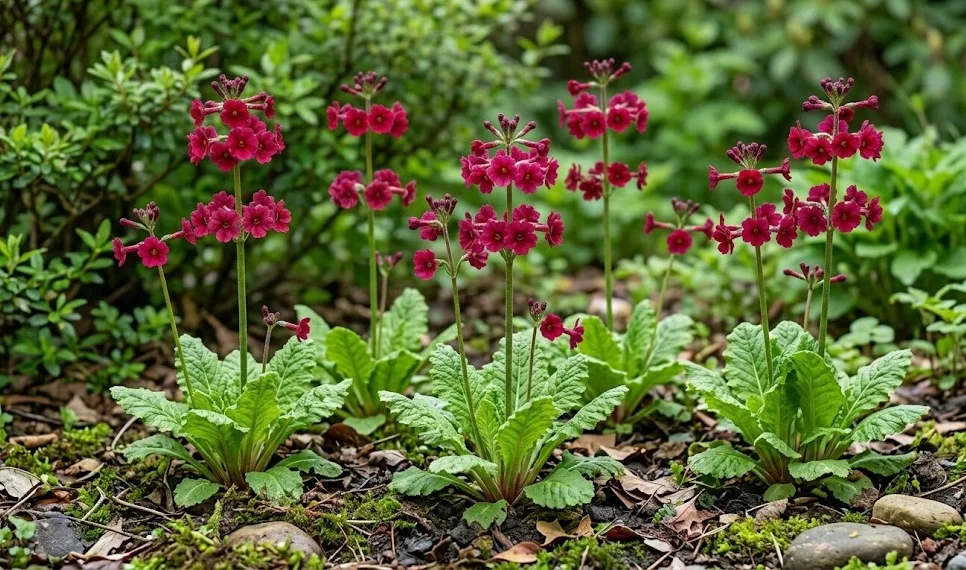
In areas with high evaporation rates, you might consider planting them at the edge of a pond or a stream. This allows the plants to draw moisture naturally from the surrounding water table without much intervention from you. The constant supply of hydration will result in much taller flower spikes and a more robust display of colors. It is truly the most effortless way to grow these beautiful candelabra-style flowers.
You must be particularly careful during the spring when the new leaves are emerging and the flower stalks are beginning to form. This is the period of highest metabolic activity, and a lack of water can stunt the growth of the entire plant for the season. Make sure you increase your watering frequency as soon as you see the first signs of green growth in the early months. A strong start in the spring leads to a spectacular floral show in the following weeks.
Managing seasonal changes
As the seasons transition from spring to summer, your care strategy must adapt to the rising temperatures and changing light patterns. The lush growth of the early season can become stressed if the humidity drops or the sun becomes too intense. You should keep a close eye on the foliage and provide extra shade if you notice any signs of leaf burn. Moving a few pots or adjusting your garden structures can make a huge difference in plant comfort.
In the autumn, the plants will naturally start to wind down their growth and prepare for a period of dormancy. You will notice the leaves beginning to yellow and eventually die back to the ground as the weather cools. This is a natural process and should not cause you any alarm or lead to a change in your basic care. You can leave the dying foliage in place to provide a bit of natural protection for the crown during the winter.
Winter care is mostly about ensuring that the crown does not rot due to excessive ice or sitting in frozen water. While they love moisture during the summer, they do not appreciate being encased in a block of ice for weeks at a time. You should ensure that your garden has decent drainage even in the wettest and coldest months of the year. A little bit of slope or a raised bed can help prevent the water from pooling directly on top of the dormant crowns.
Springtime is the season of renewal when you should clear away the debris of the previous year to make room for new growth. As soon as the soil begins to thaw, you can carefully remove any old mulch or dead leaves that might be harborings pests. This is also the best time to apply a light layer of compost to give the plants a nutritional boost. Watching the first green shoots emerge from the damp earth is one of the most rewarding parts of caring for these plants.
Dealing with natural competition
Weeds can be a significant problem in the damp, rich soils that these primroses prefer, so you must stay on top of maintenance. Because the soil is always moist, weed seeds find it very easy to germinate and grow rapidly alongside your prized flowers. You should pull weeds by hand while they are still small to avoid disturbing the shallow root systems of your primroses. Regular attention to this task will prevent the weeds from stealing valuable nutrients and water.
Other garden plants can also provide competition if they are too aggressive or have similar growth habits. You should avoid planting them next to large hostas or fast-spreading groundcovers that might eventually smother the smaller rosettes. Choosing non-invasive companion plants will ensure that each individual has the space it needs to shine. A well-planned garden layout is the best defense against over-competition in the flower beds.
Mulching is your best friend when it comes to suppressing weed growth and reducing the time you spend on maintenance. A thick layer of organic mulch will block the light that weed seeds need to sprout while keeping the soil underneath cool and moist. You should be careful not to pile the mulch directly against the stems of the plants to avoid rot. A small gap around the base of each plant is all that is needed to keep them healthy.
You should also keep an eye out for larger competitors like tree roots that might be sucking all the moisture out of the ground. If you find that the soil is drying out too fast despite regular watering, you might be dealing with thirsty trees nearby. In such cases, you may need to install a root barrier or move your plants to a more favorable location. Constant observation will help you identify these issues before they become terminal for your primroses.
Sustaining long-term health
To keep your plants healthy for many years, you should consider dividing them every three or four years. Over time, the clumps can become congested, leading to smaller flowers and a general decline in the vigor of the plant. Dividing the rosettes in the early spring or late autumn refreshes the colony and gives you new plants to place elsewhere. It is a simple process that ensures your garden remains vibrant and full of life.
Soil replenishment is another key to long-term success that many gardeners tend to forget after the initial planting. Every year, the plants extract minerals and organic matter from the earth to fuel their impressive growth and flowering. You should top-dress the area with fresh compost or well-rotted manure at least once a year to keep the soil fertile. This continuous cycle of nourishment prevents the ground from becoming “tired” or depleted of essential elements.
Monitoring the overall health of the plant throughout the year will help you catch any issues before they become serious. You should look for changes in leaf color, unusual spots, or a sudden lack of vigor in the flowering stems. Taking quick action, such as adjusting the pH or treating a minor pest problem, can save the entire plant from decline. A proactive approach is always better than a reactive one when it comes to gardening.
Finally, you should respect the natural life cycle of the plant and avoid pushing it too hard with excessive fertilizers. These are hardy perennials that prefer a slow and steady pace of growth rather than a forced burst of activity. By providing the right environment and basic care, you allow the plant to build up its strength naturally over time. This patient approach leads to a more resilient garden that can survive for decades with minimal intervention.
Aesthetic integration in the garden
Integrating these flowers into your landscape design requires a bit of thought about color and structure. The tiered arrangement of the blossoms makes them stand out as architectural elements in a shady border or near a pond. You should plant them in large groups rather than as isolated individuals to create a more dramatic visual impact. Mass planting mimics the way they grow in the wild and provides a stunning sea of color in the late spring.
They look particularly beautiful when paired with other shade-loving plants like ferns, astilbes, and bleeding hearts. The delicate texture of fern fronds provides a perfect backdrop for the bold colors and structured stems of the primroses. By mixing different leaf shapes and heights, you can create a multi-dimensional garden that remains interesting even when nothing is in bloom. Design your beds so that there is a continuous flow of texture and form throughout the seasons.
The color palette of these plants ranges from deep reds and purples to soft pinks and whites, allowing for many creative combinations. You can choose to stick with a single color for a sophisticated, monochromatic look or mix them for a vibrant, cottage-garden feel. Because they bloom all at once, the color impact is concentrated and very effective at drawing the eye to specific areas. Use them to highlight water features or the entrance to a woodland path.
Don’t forget to consider the view from your windows or patio when you are deciding where to plant your primroses. These are plants that deserve to be seen and appreciated every day during their peak flowering period. Placing them in a spot where you can enjoy their beauty without having to walk deep into the garden is a great idea. A well-placed garden bed can bring a sense of peace and natural beauty to your daily life.