
Maintaining the tidy appearance and health of your perennials involves a few simple tasks that should be performed at specific times of the year. While these plants do not require the intensive pruning that many shrubs do, a bit of attention with a pair of garden shears can go a long way. Cutting back spent flowers and removing old foliage not only makes the garden look better but also prevents disease and encourages future growth. By following a regular maintenance schedule, you can ensure that your plants remain the stars of your shade garden.
Deadheading for aesthetics and health
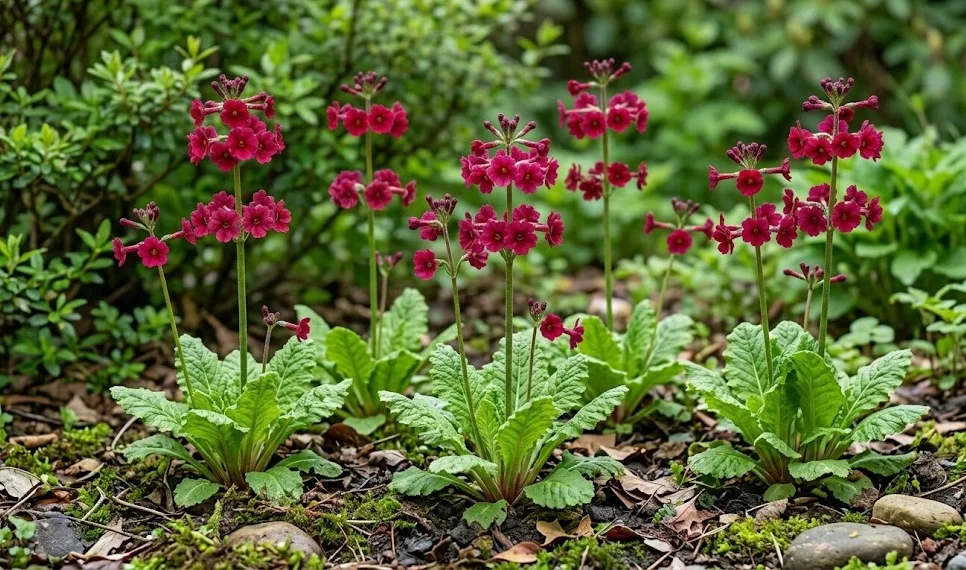
Deadheading is the process of removing the flower spikes once the individual blossoms have faded and lost their beauty. For these tiered primroses, the flowering season can last for several weeks, with the lowest tiers opening first and the highest tiers opening last. You should wait until the entire spike has finished blooming before you cut it back to the base of the plant. This prevents the plant from putting its energy into seed production and keeps the focus on maintaining healthy foliage.
Using a sharp, clean pair of scissors or garden snips is essential for making clean cuts that heal quickly. You should cut the flower stem as close to the rosette of leaves as possible without damaging the central growing point of the plant. This leaves the plant looking neat and prevents the old, brown stems from becoming an eyesore in your otherwise green garden bed. It is a quick and satisfying task that you can do as you walk through your garden in the early summer.
Removing the spent flowers also serves a practical purpose by improving air circulation around the base of the plant. Old flower stems can sometimes trap moisture and debris, creating a perfect environment for gray mold or other fungal issues to develop. By clearing them away, you allow more light and air to reach the center of the rosette, which helps keep the plant healthy and dry. Good garden hygiene is always the best way to prevent problems before they start.
If you want to collect seeds for propagation, you should leave a few of your best flower spikes in place until the seed pods have fully matured. You will know they are ready when the pods turn brown and start to split open, usually in late summer. For the rest of the plants, however, prompt deadheading is the best practice for maintaining a vibrant and tidy display. It is all about deciding what your goals are for each individual plant in your collection.
More articles on this topic
Late season cleanup
As the growing season comes to an end in the autumn, the large leaves will naturally begin to yellow and collapse toward the ground. This is the time when you should decide how much cleanup you want to do before the winter sets in. Some gardeners prefer to leave the dying foliage in place to act as a natural mulch and provide a habitat for beneficial insects. Others prefer a more manicured look and choose to cut the leaves back to within an inch of the crown once they have completely withered.
If you have had a lot of issues with slugs or snails during the year, removing the old leaves is definitely the better option. These pests love to hide under decaying foliage during the winter, and clearing the area will significantly reduce their numbers for the following spring. You should bag and remove any leaves that show signs of fungal disease or unusual spots to prevent spores from overwintering in the soil. A clean start in the spring is often worth the extra effort in the autumn.
When cutting back the foliage, be careful not to nick or damage the central crown, which contains the buds for next year’s growth. The crown is the lifeblood of the perennial, and any physical injury can lead to rot or a weak performance in the spring. Use a gentle touch and always work with sharp tools to ensure that you are making clean, precise cuts. If the leaves are still firmly attached, it is often better to wait another week until they pull away more easily.
Once the cleanup is complete, you can apply a fresh layer of organic mulch around the plants to protect them during the winter. This is also a good time to double-check your plant markers and ensure that they are still visible and in the correct locations. A tidy and well-prepared garden bed is a sign of a thoughtful gardener who respects the natural cycles of their plants. The work you do in the autumn sets the stage for a successful and beautiful spring.
More articles on this topic
Rejuvenating older plants
After several years of growth, you might notice that some of your older plants are starting to look a bit tired or less vigorous than they used to be. This is often a sign that the crown has become too woody or that the soil around it has become depleted of nutrients. While not a traditional “pruning” task, dividing the plant is the best way to rejuvenate it and restore its youthful energy. You can think of it as a way of starting over with the best parts of the original specimen.
When you lift an older plant for division, you will often see several smaller rosettes that have formed around the main central stem. By separating these and replanting them in fresh soil, you are essentially giving each one a new lease on life with its own space to grow. This process encourages the production of new, healthy roots and much larger flower spikes in the following years. It is the most effective way to manage the long-term health of your primrose collection.
You should also take the opportunity to trim away any dead or decaying parts of the rootstock during the division process. Using a sharp knife to remove old, woody sections will help the plant focus its energy on the new, productive growth. This “root pruning” stimulates the plant to produce a flush of new feeder roots that can more easily absorb water and minerals from the earth. It is a vital part of maintaining a vigorous and high-performing garden over many decades.
Finally, remember that every plant has its own rhythm and may respond differently to being cut back or divided. You should observe your garden closely and learn to recognize the subtle signs that a plant needs a little bit of extra attention. With a bit of practice and a steady hand, you will find that pruning and maintenance are some of the most rewarding parts of gardening. Your plants will surely thank you with a spectacular show of color year after year.