
Pruning and cutting back are essential maintenance tasks that ensure your garden thyme remains productive, healthy, and aesthetically pleasing over many years. You must approach this process with a clear understanding of the plant’s growth habits, as thyme is a sub-shrub that naturally becomes woody over time. Regular intervention prevents the herb from becoming overly sparse and encourages the constant production of the tender, aromatic leaves that are so valued in the kitchen. A professional pruning strategy is one of the most effective ways to rejuvenate an aging herb garden and maintain its vitality.
The goal of your pruning efforts should be to balance the removal of old, unproductive wood with the stimulation of fresh, green growth. You will find that a well-pruned plant has a much more compact and attractive shape than one that is left to grow unchecked for several seasons. Professional gardeners recognize that pruning is not just about aesthetics; it is a vital part of pest and disease management as well. By thinning out the dense foliage, you improve airflow and allow light to reach the inner parts of the plant, which are often the most vulnerable to decay.
Timing is perhaps the most critical factor to consider when you are planning to cut back your thyme plants in the garden. You should avoid heavy pruning during times of extreme stress, such as the middle of a heatwave or just before the first hard frost of winter. Instead, focus your efforts during the periods of active growth in the spring and after the main flowering season in the summer. This professional approach ensures that the plant has the energy and environmental conditions it needs to recover quickly and produce a flush of new growth.
Using the right tools and techniques is also essential for ensuring a clean cut that heals quickly and does not introduce pathogens into the plant tissues. You should always use sharp, sterilized pruning shears to avoid crushing the stems or leaving ragged edges that can invite infection. Taking the time to do the job correctly will pay off in the long run with healthier plants and a more successful harvest. By following these professional guidelines, you can master the art of pruning and enjoy a thriving herb garden for many years to come.
Determining the right timing
The best time for a major pruning session is usually in the early spring, just as the first signs of new growth begin to appear on the stems. You should wait until the danger of hard frost has passed to avoid damaging the fresh buds that will be exposed after you cut back the older wood. This spring prune is essential for removing any winter damage and for shaping the plant before its most active growing season begins. By clearing away the dead wood early, you make room for the plant to focus its energy on producing the most aromatic and flavorful leaves.
More articles on this topic
A second, lighter pruning can be done in the mid-to-late summer, immediately after the plant has finished its main flowering period. You should trim back the spent flower heads along with a few centimeters of the stems to encourage a second flush of foliage before the autumn arrives. This summer tidy-up helps maintain the compact shape of the herb and prevents it from becoming too “leggy” or falling open in the center. Professional herb growers often use this post-flowering prune as an opportunity to harvest a large amount of thyme for drying and preservation.
You should strictly avoid heavy pruning in the late autumn, as any new growth stimulated by the cut will be too tender to survive the upcoming winter cold. Cutting the plant back late in the season also removes the woody structure that can provide a bit of natural protection for the inner crown. If you must harvest some thyme for a winter meal, take only a few small snips from the outer parts of the plant and leave the main structure intact. This professional patience ensures that the herb enters its dormant period in the strongest possible condition.
For young, newly planted thyme, the focus should be on light “pinching” rather than heavy pruning during the first growing season. You should use your fingers to nip off the tips of the main stems to encourage the plant to branch out and form a dense, bushy habit from the start. This early intervention sets the foundation for a well-shaped mature plant that will require less aggressive rejuvenation later in its life. By starting your pruning routine early, you guide the development of the herb and ensure it becomes a productive part of your garden quickly.
Proper tools and cutting methods
Using high-quality, sharp tools is a fundamental requirement for any professional pruning job in the herb garden. You should invest in a pair of bypass pruners that make a clean, slicing cut rather than anvil pruners which can crush the delicate stems of the herb. Keeping your tools sharp reduces the effort required and ensures that the plant heals as quickly as possible after the intervention. Regularly cleaning your blades with alcohol or a mild bleach solution prevents the accidental transfer of diseases between different plants in your collection.
More articles on this topic
When you are cutting back your thyme, you should always aim to cut just above a set of healthy leaves or a visible node where new growth can emerge. You should avoid cutting back into the old, brown, “dead” wood where there are no green leaves present, as these stems may not be able to sprout again. A professional rule of thumb is to never remove more than one-third of the total foliage at any one time to avoid shocking the plant. This gradual approach allows the herb to recover its energy and maintain its root-to-shoot balance throughout the process.
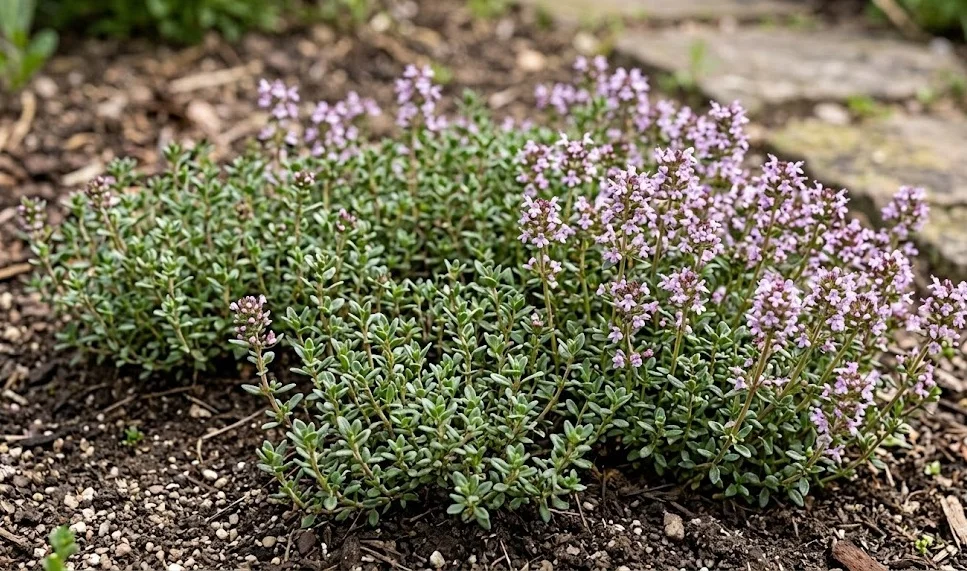
For creeping varieties of thyme, you can use garden shears to “mow” the plants back after they have finished flowering to maintain a neat, carpet-like appearance. You should be careful to keep the blades at a consistent height and to avoid scalping the plants right down to the ground. This method is an efficient way to manage large areas of thyme groundcover and to keep the plants from becoming too woody or patchy. After shearing, a light watering and a very diluted organic fertilizer can help the herbs bounce back quickly with fresh green growth.
Observing the plant’s response to your pruning will give you valuable feedback on whether your technique and timing are correct. You should see new green shoots appearing within a week or two if the plant is healthy and the conditions are right for growth. If the plant seems to struggle or if the cut ends become diseased, you may need to adjust your approach or improve the overall health of the garden environment. Mastering the technical aspects of pruning is a hallmark of an expert gardener and ensures the long-term success of your agricultural efforts.
Rejuvenating woody stems
As thyme plants age, they naturally develop a woody center that can become bare and unattractive if the plant is not regularly maintained. You should monitor your older plants for this “woodiness” and take steps to rejuvenate them before the problem becomes too severe. One professional technique is to selectively remove about one-third of the oldest, woodiest branches right down to the base of the plant each spring. This process, carried out over three years, allows the plant to gradually replace its old structure with fresh, productive stems without the risk of total failure.
Another way to deal with woody thyme is to use a technique called “mounding,” where you pile a mix of sandy soil and compost into the center of the plant. You should gently work the soil into the gaps between the woody stems to encourage them to produce new roots along their length. Over the course of a growing season, these stems will essentially become independent plants that you can eventually separate and replant. This is a gentle way to refresh a tired herb patch and to multiply your favorite varieties at the same time.
If a plant has become excessively woody and is no longer producing enough aromatic foliage for your needs, it might be time for a more aggressive rejuvenation. You can try cutting the entire plant back to about five to ten centimeters above the ground in the early spring, provided there is still some green growth visible. This “hard prune” is a gamble, but in many cases, it will trigger a massive flush of new growth from the base that will restore the plant’s vigor. However, professional gardeners always ensure the plant is well-watered and healthy before attempting such a drastic measure.
Sometimes, the most professional and practical decision is to recognize when a plant has truly reached the end of its productive life. You should not be afraid to replace very old, woody thyme with fresh cuttings or new seedlings if it no longer meets your standards for harvest or beauty. Taking cuttings from your older plants before they decline allows you to maintain the same genetic line in your garden for decades. A successful garden is a dynamic system that requires constant renewal and a willingness to adapt your strategies to the needs of the plants.