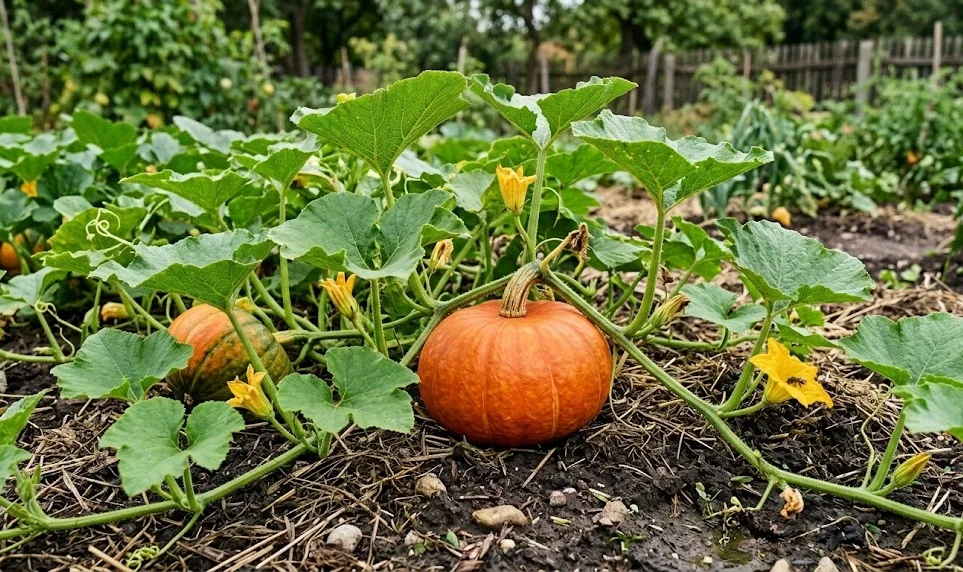

Establishing a consistent and effective hydration routine is the lifeblood of a thriving pumpkin patch, especially during the sweltering heat of mid-summer. These plants are composed mostly of water, and their massive leaves lose a staggering amount of moisture through transpiration every single day. If you allow the soil to dry out completely, the plant will prioritize survival over fruit production, often dropping its flowers or small pumpkins. Finding the right balance between “wet enough” and “too soggy” is the hallmark of an expert grower.
The timing of your watering can be just as important as the volume of water you provide to your thirsty plants. You should always aim to water in the early morning hours so the leaves have plenty of time to dry off before the sun goes down. Wet foliage overnight is an open invitation for fungal spores to settle and cause devastating outbreaks of powdery mildew. If you must water in the evening, try to apply the water directly to the base of the plant to keep the leaves dry.
Drip irrigation systems are widely considered the gold standard for pumpkin cultivation because they deliver moisture exactly where it is needed most. By placing the emitters near the main stem and along the primary vines, you ensure the root zone stays hydrated without wasting water on the paths. This method also keeps the foliage completely dry, which is your best defense against many common diseases that thrive in humid conditions. While the initial setup takes some effort, the long-term benefits for plant health and water conservation are immense.
Deep watering is far more effective than frequent, shallow sprinkling because it encourages the roots to grow deep into the cool earth. You want the moisture to penetrate at least six to eight inches down to reach the primary root system of the pumpkin plant. During periods of extreme heat or drought, you may need to provide several gallons of water per plant multiple times a week. Always monitor the soil by hand to see if it feels dry an inch below the surface before you reach for the hose.
Nutrient requirements and feeding
Pumpkins are legendary for their appetite for nutrients, requiring a steady supply of nitrogen, phosphorus, and potassium to reach their full potential. In the early stages of growth, a fertilizer higher in nitrogen will help the plant build the massive green canopy it needs for photosynthesis. Once the plant begins to produce flowers, you should switch to a formula higher in phosphorus to encourage strong blooms and fruit set. Excessive nitrogen late in the season can lead to lots of leaves but very few actual pumpkins for you to harvest.
More articles on this topic
Organic amendments like well-rotted compost or aged manure are the best long-term investments you can make for your soil’s fertility. These materials release nutrients slowly over time, providing a consistent “slow-drip” of food for your plants throughout the entire growing season. They also improve the soil structure, making it better at holding onto both water and air, which is vital for healthy root respiration. Many professional growers swear by adding a fresh layer of compost to their pumpkin hills every few weeks.
Liquid fertilizers or “compost teas” can provide an immediate boost to plants that seem to be struggling or slowing down during the heat of summer. These foliar feeds are absorbed quickly through the leaves and roots, giving the plant the energy it needs to push through a growth spurt. However, you should be careful not to over-fertilize, as an accumulation of salts in the soil can actually burn the delicate root hairs. Always follow the manufacturer’s instructions and err on the side of caution when applying concentrated chemical fertilizers.
Monitoring and adjusting
You can often “read” your pumpkin plants to determine if they are getting the right amount of food and water by looking at their growth patterns. Stunted, yellowing leaves often signal a nitrogen deficiency, while a lack of flowers might suggest the plant is craving more phosphorus. Conversely, if the leaves are dark green and lush but there is no fruit, you might be over-doing the nitrogen or under-watering. Taking the time to observe these subtle physical cues will help you make the necessary adjustments before problems become severe.
Soil testing is a scientific way to take the guesswork out of your fertilization strategy and ensure you aren’t wasting money on unnecessary products. A professional lab test can tell you exactly which minerals are lacking and which ones might be present in toxic amounts. This information allows you to create a customized “diet” for your pumpkins that addresses the specific needs of your unique garden site. Most experts recommend testing your soil at least once every two or three years to track changes in fertility levels.
Environmental factors like heavy rainfall can unexpectedly wash away water-soluble nutrients from the root zone, leaving your plants hungry. After a major storm, you might need to apply a light dose of balanced fertilizer to replace what was lost to leaching. Similarly, extreme heat can make it difficult for the plant to transport nutrients from the soil up into the leaves and fruit. During these stressful periods, keeping the water levels consistent is the best way to help the plant maintain its internal transport systems.
Late season boost
As the pumpkins reach their final stages of development, their demand for potassium increases to help strengthen the rind and improve storage life. Potassium is also essential for the transport of sugars into the fruit, which determines the final flavor and quality of the pumpkin. Many growers use a seaweed-based fertilizer or wood ash during this phase to provide that extra boost of essential minerals. Just remember to avoid heavy nitrogen applications late in the year, as this can lead to soft, rot-prone fruit.
Reducing water slightly in the two weeks leading up to harvest can help concentrate the sugars and encourage the skin to cure more effectively. If the plant continues to receive massive amounts of water right up until the end, the fruit may contain too much moisture, making it heavier but more likely to spoil. You want the plant to slowly transition into its natural senescence phase as the weather cools and the days grow shorter. This controlled “dry-down” period is a secret technique used by many veteran pumpkin competitors.
Finally, always remember that the health of your soil this year determines the success of your garden next year. After the harvest is complete, consider sowing a nitrogen-fixing cover crop like clover or vetch to replenish the earth over the winter. This sustainable approach ensures that your garden remains productive and fertile for many seasons of pumpkin growing to come. Treating your soil with respect and care is the best way to guarantee a bountiful harvest year after year.