
Maintaining a healthy basil plant requires a deep understanding of its Mediterranean origins and specific physiological needs. Professional growers emphasize the importance of balancing soil nutrients, moisture levels, and environmental stability to ensure a high yield of aromatic leaves. Proper care goes beyond simple watering, involving consistent monitoring of growth patterns and timely interventions to prevent premature flowering. By adhering to a systematic maintenance routine, gardeners can extend the lifespan of this annual herb significantly throughout the growing season.
Selecting the ideal growing medium
The foundation of successful basil cultivation lies in the physical and chemical composition of the soil used for planting. A well-structured loamy soil provides the necessary porosity for root respiration while retaining enough moisture to sustain the plant during peak heat. Professional horticulturists often recommend a soil pH between 6.0 and 7.5 to ensure optimal nutrient bioavailability for the root system. Adding organic matter such as aged compost improves the soil structure and introduces beneficial microbial life that supports long-term plant health.
Poor drainage is one of the most common reasons for basil failure in both field and container settings. When the soil becomes compacted or waterlogged, the roots suffer from oxygen deprivation, which can lead to various physiological stresses. To prevent this, incorporating perlite or coarse sand into the potting mix can significantly enhance drainage capabilities. Growers should always ensure that containers have adequate drainage holes to allow excess water to escape freely after irrigation cycles.
Soil temperature also plays a critical role in the initial development and continued vigor of the plant. Basil is highly sensitive to cold soil, which can stunt growth and make the plant more susceptible to fungal pathogens. Ideal soil temperatures for active growth should consistently remain above 18 degrees Celsius to facilitate efficient nutrient uptake. Using black plastic mulch or dark-colored containers can help maintain higher soil temperatures during the cooler parts of the early growing season.
Finally, the nutrient density of the growing medium must be monitored throughout the vegetative phase. Basil is a heavy feeder that requires a steady supply of nitrogen to produce its characteristic lush green foliage. Periodic soil testing allows cultivators to adjust the mineral balance and prevent deficiencies that manifest as yellowing or stunted leaves. Organic amendments like worm castings or seaweed extract are excellent ways to provide slow-release nutrients without the risk of chemical burn.
More articles on this topic
Managing environmental stressors
Temperature stability is paramount when caring for basil, as the plant reacts negatively to sudden fluctuations. Daytime temperatures should ideally stay between 21 and 29 degrees Celsius to promote rapid cellular expansion and essential oil production. If temperatures drop below 10 degrees Celsius, the plant may experience chilling injury, characterized by blackened leaves and wilting. Protecting the crop with row covers or moving containers indoors during unexpected cold snaps is a vital part of professional care.
Wind exposure is another environmental factor that can affect the structural integrity and moisture loss of the plant. Strong gusts can cause physical damage to the delicate stems and increase the rate of transpiration, leading to rapid dehydration. Planting basil in a sheltered location or using windbreaks can mitigate these risks and create a more stable microclimate. In greenhouse environments, controlled air circulation is necessary to prevent stagnant air without creating harsh drafts that stress the foliage.
Humidity levels within the growing area significantly influence the plant’s susceptibility to foliar diseases. High humidity combined with poor airflow creates an ideal environment for downy mildew and other fungal issues to thrive. Professional growers often utilize spacing strategies that allow air to move freely between individual plants, reducing localized humidity. Conversely, extremely low humidity can cause the leaf edges to crisp, requiring a balance that mimics a coastal Mediterranean climate.
Urban environments often present unique challenges such as heat island effects and air pollution that can impact basil health. Reflected heat from concrete surfaces can raise temperatures far beyond the plant’s tolerance levels, necessitating supplemental shade. Airborne particulates can settle on the broad leaves, potentially interfering with photosynthesis if the foliage is not occasionally rinsed. Monitoring the specific microclimate of a garden or balcony is essential for tailoring care instructions to the plant’s actual surroundings.
More articles on this topic
Encouraging vegetative growth
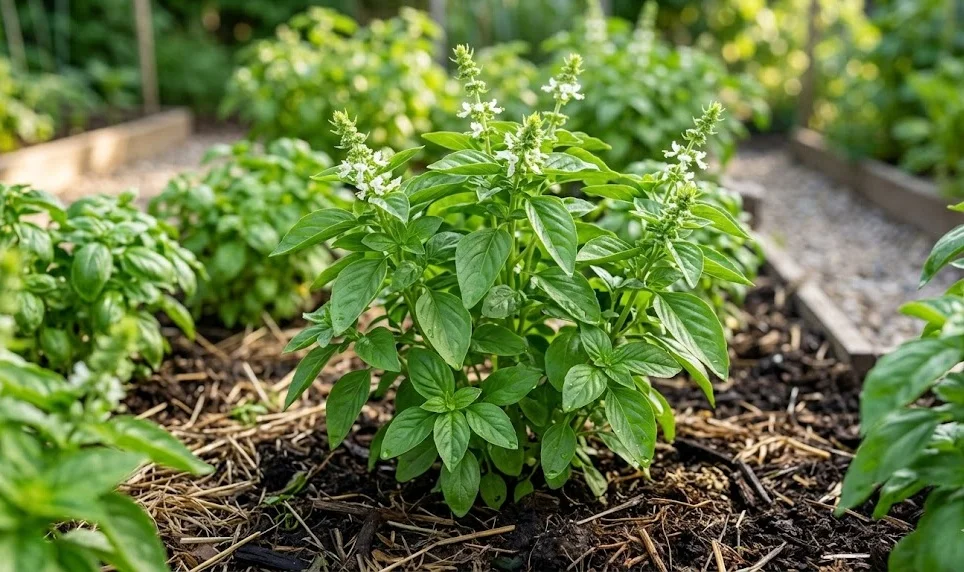
The primary goal of basil care is usually the production of foliage rather than the development of seeds. Once a basil plant begins to flower, the energy is diverted from leaf production to reproductive processes, often resulting in bitter-tasting leaves. Regular pinching of the terminal buds is the most effective method to maintain the plant in a vegetative state. This practice not only prevents flowering but also encourages the growth of lateral branches, leading to a bushier and more productive plant.
Strategic harvesting should begin as soon as the plant has reached a height of at least fifteen centimeters. By removing the top sets of leaves just above a node, the gardener stimulates the dormant buds located in the leaf axils. This results in a doubling of the stems and a significant increase in the overall surface area for photosynthesis. Consistently harvesting the plant every two to three weeks ensures a continuous supply of fresh, tender leaves throughout the summer months.
The timing of the harvest is also a professional consideration that impacts the quality of the final product. Essential oil concentration is highest in the early morning after the dew has dried but before the sun reaches its peak intensity. Harvesting during this window preserves the volatile compounds responsible for the plant’s distinct aroma and flavor profile. Professional chefs and herbalists prioritize this timing to ensure the highest culinary and medicinal value from their basil crops.
If a plant does manage to produce flower spikes, they should be removed immediately to salvage the remaining foliage quality. While the flowers are edible and attractive to pollinators, their presence signals the end of the plant’s peak productive cycle. In late summer, some growers allow a few plants to go to seed for future seasons, but this is usually done separately from the main harvest crop. Maintaining a strict pruning schedule is the best way to delay the natural senescence of the plant.
Optimizing air circulation
Proper spacing between plants is a critical but often overlooked aspect of professional basil maintenance. When plants are crowded together, they compete for light and nutrients, which results in leggy stems and smaller leaves. More importantly, dense foliage traps moisture and prevents the evaporation of water from the leaf surfaces. Providing at least thirty centimeters of space between plants ensures that each individual has access to adequate resources and airflow.
In greenhouse or indoor settings, mechanical ventilation is often required to simulate natural wind patterns. Small fans can be used to move air gently around the plants, which strengthens the stems through a process known as thigmomutagenesis. This mechanical stress encourages the plant to develop thicker cell walls, making it more resilient to physical damage. Improved air movement also reduces the risk of pest infestations, as many insects prefer still, humid conditions for breeding.
Pruning the lower leaves of the basil plant can also improve air circulation near the soil surface. The bottom-most foliage often receives the least amount of light and is the first to show signs of disease or decay. By removing these older leaves, the gardener allows air to flow under the canopy, keeping the base of the plant dry. This practice is particularly effective in preventing soil-borne pathogens from splashing onto the leaves during watering or rain events.
Monitoring the density of the canopy is a continuous process that changes as the plant matures. As the basil becomes bushier through regular pinching, the internal branches may become shaded and start to yellow. Selectively thinning the interior of the plant can allow light to penetrate deeper and improve the overall health of the specimen. This level of attention to detail distinguishes a professional cultivation approach from a casual gardening hobby.
Identifying nutritional deficiencies
A professional eye can often diagnose the health of a basil plant simply by observing the color and texture of its leaves. Nitrogen deficiency is perhaps the most common issue, manifesting as a general paling or yellowing of the older, lower leaves. Since nitrogen is a mobile nutrient, the plant moves it to new growth when the supply in the soil is insufficient. Addressing this early with a nitrogen-rich liquid fertilizer can quickly restore the plant’s deep green color and vigor.
Phosphorus and potassium are also essential for the structural development and metabolic functions of the basil plant. A lack of phosphorus may cause the leaves to take on a purplish tint, particularly on the undersides or along the veins. Potassium deficiency often shows up as necrotic spots or browning along the edges of the leaves, which can be mistaken for drought stress. Using a balanced, water-soluble fertilizer ensures that these primary macronutrients are available in the correct proportions.
Micronutrient imbalances, though less common, can still significantly impact the quality of the basil harvest. Iron chlorosis, for example, causes the new leaves to turn yellow while the veins remain green, a condition often linked to high soil pH. Magnesium deficiency can cause similar interveinal yellowing but typically appears on the older leaves first. Regular applications of a complete fertilizer or the addition of trace minerals can prevent these subtle but damaging issues.
Over-fertilization is a risk that can lead to salt buildup in the soil and subsequent root damage. Signs of excessive nutrient levels include leaf burn at the tips and a white crusty residue on the soil surface of potted plants. It is often better to apply fertilizers at a lower concentration more frequently rather than using a single heavy dose. Flushing the soil with plain water periodically can help remove excess salts and maintain a healthy chemical balance for the roots.
Monitoring seasonal transitions
As the growing season progresses, the care requirements for basil shift to accommodate changing light and temperature levels. In early spring, the primary focus is on protection from late frosts and encouraging initial root development. During the peak of summer, the priority shifts to moisture management and preventing the plants from bolting in the heat. Experienced gardeners adjust their maintenance routines weekly to respond to the specific needs dictated by the current weather patterns.
The approach of autumn brings new challenges as daylight hours decrease and temperatures begin to drop. Growth rates will naturally slow down, meaning the plant requires less frequent watering and fertilization than it did in July. This is a critical time to monitor for powdery mildew, which thrives in the cool, damp nights typical of late September. Reducing foliar moisture and ensuring the plants have the best possible light exposure can help sustain the crop until the first frost.
Late season basil care often involves making a decision about whether to move plants indoors or harvest the remaining foliage entirely. Since basil is a tender annual, it will not survive a hard freeze, so the final harvest should be timed carefully. Many professionals choose to make large batches of pesto or dry the leaves once the nighttime temperatures consistently fall below five degrees. This ensures that none of the hard work put into the plants throughout the season goes to waste.
For those attempting to keep basil alive through the winter, the transition must be handled with extreme care to avoid transplant shock. Moving a plant directly from a sunny garden to a dry, low-light indoor environment can cause it to drop all its leaves. Gradually acclimating the plant to lower light levels and maintaining high indoor humidity can improve the chances of survival. However, many find it more effective to start new seeds indoors under grow lights for a fresh winter supply.
Maximizing essential oil production
The true value of basil lies in its aromatic essential oils, primarily linalool and methyl chavicol, which give the herb its flavor. These compounds are produced in glandular trichomes located on the surface of the leaves and stems. Environmental factors such as light intensity and water stress can actually be manipulated to increase the concentration of these oils. Providing high light levels while slightly reducing water just before harvest can stress the plant into producing more defensive aromatic compounds.
Soil composition also influences the specific flavor profile of the basil varieties being grown. Plants grown in soil rich in organic matter often have a more complex and nuanced aroma compared to those grown with synthetic fertilizers alone. The presence of specific minerals, such as sulfur, can also play a role in the synthesis of volatile aromatic molecules. Professional growers often experiment with different soil amendments to find the perfect balance for their specific market or culinary needs.
The variety of basil selected will have the most significant impact on the essential oil content and type. Sweet basil is known for its balanced, clove-like aroma, while Thai basil has a more pronounced anise or licorice scent. Lemon and lime basils contain high levels of citral, giving them a distinct citrusy edge that is highly prized in certain cuisines. Understanding the genetic potential of each variety allows the grower to tailor their care practices to highlight these specific characteristics.
Finally, the way the basil is handled after it is removed from the plant determines how much of the oil is preserved. Bruising the leaves during harvest or transport causes the trichomes to rupture, releasing the oils prematurely and leading to rapid oxidation. Using sharp shears and placing the harvested stems directly into a cool, shaded container helps maintain the integrity of the foliage. For the best professional results, the herb should be used or processed as soon as possible after being cut from the plant.