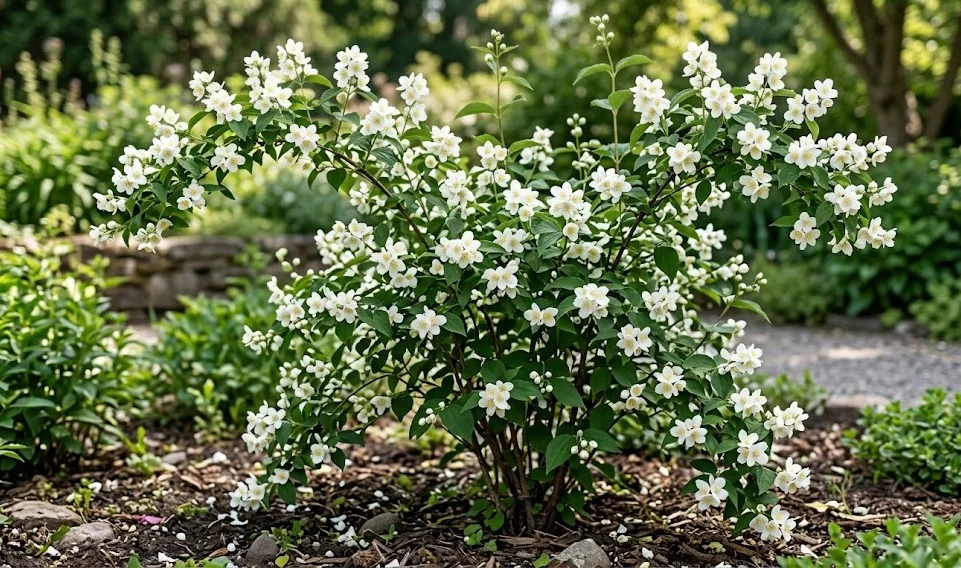

Caring for the mock orange requires a blend of traditional horticultural knowledge and a keen eye for seasonal changes. This deciduous shrub is beloved for its fragrant white blossoms that signal the transition from spring to early summer. To ensure it thrives in your garden, you must understand its specific needs regarding soil, moisture, and placement. Successful maintenance results in a vigorous plant that adds both aesthetic value and a delightful scent to the landscape.
Seasonal growth patterns
The growth cycle of this shrub begins early in the spring as the buds swell with the rising sap. During this phase, the plant requires a steady supply of nutrients to support the development of lush green foliage. You will notice that the most rapid expansion occurs just before the flowering season begins in late May. Monitoring these early signs of growth helps you anticipate the needs of the plant throughout the year.
As the summer progresses, the shrub transitions from a flowering powerhouse into a structural element of the garden. The dense leaves provide excellent screening and a backdrop for other perennials that bloom later in the season. During the heat of July and August, the plant focuses on consolidating its energy and preparing for the following year. It is during this time that the wood begins to ripen and harden against the coming autumn.
Autumn brings a slowing of metabolic processes as the shrub prepares for its dormant state. You might notice the leaves turning a subtle yellow before they eventually drop to the ground. This period is crucial for the root system to establish itself further without the demand of supporting foliage. Keeping the base clear of debris during this transition helps prevent the onset of winter-related fungal issues.
Winter care is relatively hands-off but remains an essential part of the overall management strategy. The plant remains dormant during the coldest months, standing as a skeletal frame in the winter landscape. You should check the integrity of the branches after heavy snowfalls to ensure no structural damage has occurred. This quiet period allows the shrub to rest before the cycle begins again with the first warmth of spring.
More articles on this topic
Soil quality and preparation
The foundation of a healthy mock orange lies in the quality of the soil where it is rooted. These shrubs are surprisingly adaptable, yet they perform best in well-draining soil rich in organic matter. If you find your soil is heavy clay, you should consider incorporating compost or aged manure to improve aeration. Proper soil structure allows the roots to spread easily and access deep water reserves.
Soil acidity also plays a significant role in the overall health and vigor of the plant. A neutral to slightly alkaline pH is generally preferred, although the shrub can tolerate a wide range of conditions. If you suspect your soil is too acidic, a light application of garden lime can help balance the environment. Regular soil testing every few years provides the data needed to make these adjustments accurately.
Drainage is perhaps the most critical factor when considering the long-term success of the shrub. While the plant enjoys consistent moisture, it cannot survive in waterlogged conditions where the roots might rot. You can test drainage by digging a small hole and filling it with water to see how quickly it recedes. If the water sits for several hours, you may need to plant the shrub on a slight mound.
Nutrient availability is the final piece of the soil puzzle for this vigorous grower. Over time, the shrub will deplete the natural minerals found in the earth, necessitating replenishment. Adding a layer of mulch annually not only suppresses weeds but also breaks down into valuable humus. This natural process mimics the forest floor and provides a sustained release of nutrients to the root zone.
More articles on this topic
Microclimate and environmental factors
The specific environment surrounding your mock orange will dictate how often you need to intervene with care. These plants thrive in temperate climates where they experience distinct seasons and moderate humidity. Protection from harsh, drying winds is beneficial, as these can scorch the delicate leaves during the summer months. Choosing a sheltered spot near a fence or building can mitigate these environmental stresses effectively.
Urban environments present unique challenges such as heat islands and localized air pollution. Mock oranges are remarkably resilient in cities, but they may require more frequent cleaning of their leaves. Dust and soot can accumulate on the foliage, potentially interfering with the natural process of photosynthesis. A gentle spray with a garden hose once a week during dry spells can solve this problem easily.
Competition from other plants should also be considered when designing your garden layout. While the shrub looks beautiful when integrated into a mixed border, it needs its own space to expand. Aggressive groundcovers or large trees can compete for both water and light if planted too closely. Ensuring a clear radius around the base of the shrub allows it to breathe and reduces the risk of disease.
Temperature fluctuations in late spring can be particularly damaging to the emerging flower buds. If a sudden frost is forecasted after a warm spell, you might consider covering the plant overnight. While the shrub itself is very hardy, the delicate blooms are sensitive to extreme cold. Taking this extra step can preserve the spectacular floral display you have been waiting for all year.
Essential maintenance tasks
The most visible part of regular care involves monitoring the health of the foliage and stems. You should regularly walk through your garden and inspect the shrub for any signs of distress. Look for yellowing leaves or stunted growth, which could indicate a lack of specific nutrients or water. Early detection of these issues allows you to correct them before they impact the overall vitality of the plant.
Keeping the area under the shrub clean is a simple task that yields significant benefits. Fallen leaves and spent blossoms can create a thick mat that traps unwanted moisture against the stem. By raking this area occasionally, you improve air circulation and discourage the presence of slugs and snails. A tidy garden bed also makes it easier to spot the emergence of any unwanted weeds or suckers.
Support may be necessary for younger shrubs or those planted in particularly windy locations. While the mock orange eventually develops a sturdy, woody structure, young branches can be quite flexible. Stake the plant loosely to allow for some natural movement, which actually helps strengthen the main trunk. As the plant matures and the wood hardens, these supports can usually be removed entirely.
Record keeping is a professional habit that many home gardeners find incredibly useful over time. Noting the dates of the first bloom and the duration of the flowering period helps you track the plant’s health. You can also record when you applied fertilizers or conducted major pruning sessions to maintain a consistent schedule. These notes become a valuable guide for your specific garden conditions as the years go by.
Supporting the flowering phase
The primary reason most people grow this shrub is for its spectacular and fragrant flowering period. To maximize this display, you must ensure the plant has sufficient energy reserves as it enters the blooming season. This involves providing extra water during the bud formation stage if the spring has been particularly dry. A well-hydrated plant will produce larger flowers that last significantly longer on the branch.
The scent of the mock orange is its most famous attribute, often compared to orange blossoms or jasmine. To fully enjoy this fragrance, consider the airflow in your garden when deciding on the plant’s location. Placing the shrub near a window or a patio allows the evening breeze to carry the scent into your living spaces. The intensity of the aroma is often highest in the late afternoon and early evening hours.
Deadheading, or removing spent flowers, is not strictly necessary for the health of the shrub, but it does improve its appearance. Once the white petals begin to brown and fall, the remaining seed pods can look somewhat untidy. Removing these stems can help the plant redirect its energy back into vegetative growth and root development. It also keeps the shrub looking fresh throughout the mid-summer months.
Insects such as bees and butterflies are naturally drawn to the fragrant blooms in large numbers. This makes the mock orange an excellent choice for a pollinator-friendly garden design. Avoid using broad-spectrum insecticides during the flowering period to protect these beneficial visitors. Watching the activity around the blossoms adds an extra layer of enjoyment to the gardening experience.
Avoiding common mistakes
One of the most frequent errors in mock orange care is improper pruning at the wrong time of year. Because this shrub blooms on old wood, cutting it back in early spring will remove the dormant flower buds. You should always wait until immediately after the flowers have faded to perform any significant structural changes. This timing gives the plant enough of the growing season to produce new wood for next year.
Over-fertilizing is another trap that gardeners often fall into when trying to encourage more blooms. While nutrients are important, an excess of nitrogen will promote lush green leaves at the expense of flowers. Use a balanced fertilizer or one specifically formulated for flowering shrubs to maintain the right equilibrium. If your plant is growing rapidly but failing to bloom, high nitrogen levels are a likely culprit.
Ignoring the drainage needs of the plant can lead to a slow decline that is often hard to diagnose. Root rot often manifests as wilting leaves, which can lead a gardener to mistakenly add even more water. If the soil feels soggy several inches down, stop watering immediately and investigate the drainage situation. Improving the soil structure is the only long-term solution for a plant sitting in standing water.
Planting the shrub in too much shade is a mistake that limits its potential for beauty. While the mock orange will survive in low light, it will become leggy and produce very few flowers. The branches will stretch toward the light, resulting in a sparse and unattractive form over several years. Moving a misplaced shrub to a sunnier location can often revitalize it within a single growing season.
Longevity and plant rejuvenation
A well-cared-for mock orange can live for several decades, becoming a permanent fixture in your landscape. As the shrub ages, the older wood may become less productive and the center can become overly crowded. You can maintain its youthfulness by practicing a “renewal” pruning strategy over several years. This involves removing about one-third of the oldest stems right down to the ground each season.
Monitoring the overall vigor of the plant is essential as it reaches its mature size. If you notice the growth slowing down significantly despite proper care, it might be time for a more aggressive intervention. A complete rejuvenation, where the entire shrub is cut back significantly, can sometimes be necessary. This drastic step is best performed in the late winter when the plant is fully dormant.
Keeping the surrounding area compatible with a maturing shrub ensures it has the resources it needs. As the canopy of the mock orange expands, it will create its own shade at its base. You may need to move smaller perennials that previously thrived there but now struggle for light. Creating a dedicated mulched area under the canopy is often the most practical solution for older plants.
Consistency is the ultimate secret to a long-lived and beautiful mock orange in any garden setting. While the plant is resilient, it truly excels when its basic needs are met with a steady hand. By following a regular schedule of watering, feeding, and observation, you create a stable environment. The reward is a magnificent shrub that brings joy to the senses every year without fail.