
Maintaining a healthy wild service tree requires a deep understanding of its specific biological needs and environmental preferences. This species is known for its resilience once established, but it demands careful attention during its formative years to ensure a strong structural foundation. Professional arborists often value this tree for its ecological contributions and the high quality of its timber, which is among the densest in Europe. To achieve the best results, one must balance soil management, light exposure, and structural guidance throughout the tree’s long lifespan.
Site selection and environmental adaptation
Choosing the right location is the first step in ensuring the long-term health of this unique deciduous species. The tree thrives best in deep, heavy soils that retain a moderate amount of moisture without becoming waterlogged over time. It is particularly well-adapted to limestone-rich areas, where the mineral content supports its slow but steady growth rate. Proper spacing is also vital, as the crown needs ample room to expand without competing with neighboring structures or vegetation.
Environmental stressors can significantly impact the development of a young specimen if the site is not prepared correctly. Wind exposure should be minimized during the early stages of growth to prevent the trunk from leaning or snapping under pressure. While the tree is quite hardy, extreme microclimates within a garden or plantation can lead to stunted development. Observation of local soil drainage patterns will help in identifying whether additional amendments are necessary before the planting process begins.
Microbial activity in the soil plays a silent but crucial role in the overall vitality of the root system. Encouraging a healthy community of mycorrhizal fungi can significantly improve the tree’s ability to uptake essential nutrients and water. This biological synergy is often overlooked by novice gardeners but remains a cornerstone of professional silviculture practices. Maintaining a natural mulch layer can help preserve this delicate underground ecosystem while regulating soil temperature.
Air quality and surrounding biodiversity also influence how well the tree integrates into its permanent landscape. Being a native species in many regions, it supports a wide array of local fauna, which in turn helps manage potential pest populations naturally. A diverse garden environment reduces the likelihood of isolated disease outbreaks that might otherwise overwhelm a solitary tree. Thoughtful integration with companion plants can create a more resilient micro-ecosystem that benefits all species involved.
More articles on this topic
Soil management and nutrient balance
The structural integrity of the wild service tree is directly linked to the chemical composition of the soil it inhabits. It prefers a slightly alkaline to neutral pH level, which facilitates the optimal absorption of micronutrients like magnesium and calcium. If the soil is too acidic, the tree may show signs of chlorosis or weakened branch development over several seasons. Regular soil testing is recommended to monitor these levels and adjust them through carefully timed applications of lime or organic matter.
Compaction is a significant threat to root respiration and should be avoided at all costs around the drip line of the tree. When soil particles are pressed too tightly together, oxygen cannot reach the roots, leading to a slow decline in vigor. Aeration techniques can be employed if the ground has been subject to heavy foot traffic or machinery use. Ensuring the soil remains friable allows the root system to penetrate deeper into the earth, providing better stability.
Organic matter serves as a slow-release fertilizer that mimics the natural forest floor conditions the species evolved in. Composted leaves or well-rotted manure can be applied annually to replenish the nutrients depleted during the growing season. This practice not only provides food for the tree but also improves the soil structure and its water-holding capacity. Care must be taken to keep the mulch away from the direct contact with the trunk to prevent fungal rot.
Inorganic fertilizers should be used sparingly and only when a specific deficiency has been identified through professional analysis. Over-application of nitrogen can lead to rapid, weak growth that is more susceptible to frost damage and pest infestations. A balanced approach that prioritizes long-term soil health over short-term growth spurts is always the preferred method. Observing the leaf color and size each spring provides valuable feedback on whether the current nutrient regime is effective.
More articles on this topic
Structural development and crown health
The natural growth habit of the wild service tree tends toward a broad, rounded crown that provides excellent shade. During the first decade of growth, monitoring the central leader is essential to ensure a straight and tall primary trunk. Any competing leaders should be addressed early to prevent the formation of weak crotches that might split in high winds. This proactive approach to structural development saves significant effort and prevents potential damage in the future.
Secondary branching should be spaced evenly along the trunk to allow for maximum light penetration and air circulation. Poor airflow within the canopy can create a humid environment that invites various fungal pathogens to take hold. Thinning out overcrowded or crossing branches helps maintain the tree’s aesthetic appeal while promoting its physiological health. A well-ventilated crown dries faster after rain, reducing the window for infection to occur.
Dead or damaged wood must be removed promptly to prevent it from becoming an entry point for wood-boring insects. These physical imperfections can sap the tree’s energy as it attempts to compartmentalize the damage while continuing to grow. Clean cuts at the branch bark ridge ensure that the tree can heal effectively without leaving large open wounds. Regular inspections throughout the year will help identify these issues before they become major problems.
The density of the foliage is a primary indicator of the tree’s overall health and vigor. Sparse leaves or premature leaf drop can signal underlying stress factors such as drought or root constriction. Conversely, a lush and dark green canopy suggests that the tree is successfully extracting what it needs from its environment. Maintaining this balance requires a holistic view of the tree’s interactions with its immediate surroundings and the climate.
Seasonal transitions and physiological cycles
As a deciduous species, the wild service tree undergoes dramatic changes as the seasons shift from growth to dormancy. In the spring, the burst of fresh foliage and delicate white flowers marks a period of high metabolic demand. This is the time when the tree is most sensitive to late frosts and sudden changes in soil moisture. Providing adequate support during this awakening phase ensures a productive year of photosynthesis and fruit production.
During the height of summer, the primary focus shifts to maintaining hydration and protecting the leaves from scorching heat. The tree’s large, lobed leaves can lose significant amounts of water through transpiration on particularly windy or hot days. Monitoring the soil moisture at a depth of several inches will help determine if supplemental irrigation is required. A healthy tree will manage these stresses well, but young specimens may need extra protection.
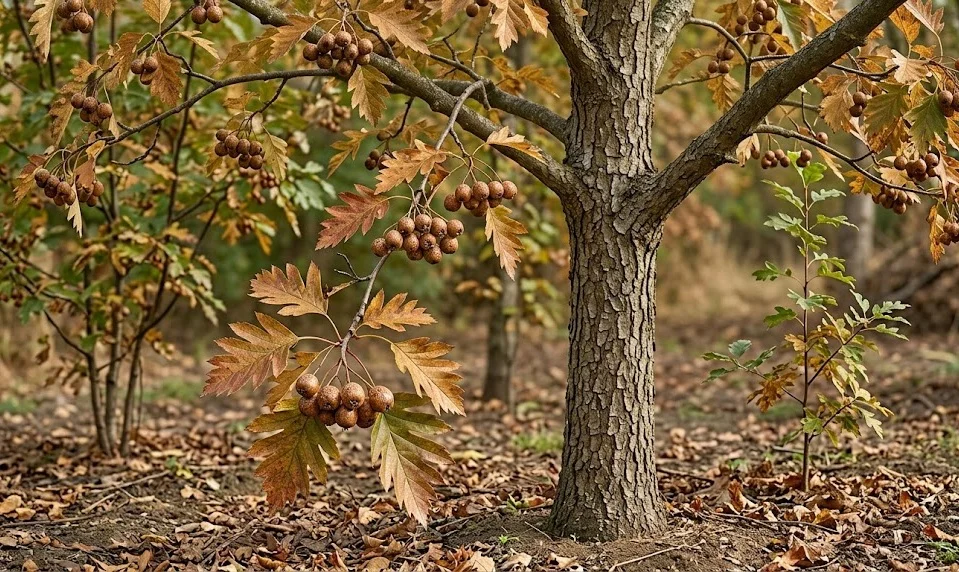
Autumn brings a spectacular display of color as the tree prepares for its winter rest. The leaves turn deep shades of red and bronze, providing significant ornamental value to any landscape or forest edge. During this period, the tree is actively relocating nutrients from the leaves back into the trunk and roots for storage. This internal recycling process is vital for the tree’s survival during the cold months and its successful re-emergence in the spring.
Winter is the time of true dormancy, where the tree’s metabolic processes slow down to a minimum. While the tree appears inactive, the root system continues to function at a very low level, provided the ground is not frozen solid. This is often the best time for major structural assessments, as the branch framework is clearly visible without the obstruction of leaves. Understanding these cycles allows a gardener to time their interventions for maximum benefit and minimum stress.
Biodiversity and ecological interactions
The wild service tree is far more than just an ornamental feature; it is a vital component of a healthy ecosystem. Its flowers provide a rich source of nectar for bees and other pollinators in late spring, supporting local insect populations. The resulting berries, though tart, are a favorite food source for various bird species and small mammals. By planting this tree, one actively contributes to the preservation of regional biodiversity and wildlife corridors.
Insects that inhabit the bark and leaves are part of a complex food web that includes predatory species. While some insects might cause minor aesthetic damage, they rarely threaten the life of a healthy, mature tree. Encouraging a balance where natural predators manage pest levels is the most sustainable way to care for the species. Avoiding broad-spectrum pesticides is crucial to maintaining this delicate equilibrium within the garden or woodland.
The leaf litter produced each autumn creates a specialized habitat for ground-dwelling invertebrates and fungi. As these materials decompose, they return essential elements to the soil, completing the natural nutrient cycle. This process supports a variety of decomposers that are essential for maintaining soil fertility and structure over decades. Allowing some of this leaf litter to remain beneath the tree can have long-term benefits for the entire site.
Human interaction with the tree also has a historical and cultural dimension that adds to its value. The fruits were once used to flavor beverages and were a common sight in traditional markets before the industrialization of agriculture. Reviving the presence of this tree in modern landscapes helps preserve this heritage and the traditional knowledge associated with it. Caring for the tree is therefore an act of both ecological and cultural conservation.
Long-term monitoring and health assessments
Consistent observation is the most effective tool for preventing major health crises in long-lived trees. Creating a simple log of annual growth, flowering dates, and any unusual symptoms can provide a valuable history of the specimen. These records help in identifying patterns that might be linked to climate trends or local environmental changes. A professional approach involves looking beyond the surface to understand the underlying causes of any visible changes.
Root collar inspections should be performed annually to ensure that the base of the tree is healthy and free from girdling roots. Girdling occurs when roots wrap around the trunk, eventually strangling the flow of sap as the tree grows larger. Early intervention can correct these issues before they cause permanent structural damage or decline. Keeping the area around the base clear of tall weeds and grass also makes these inspections much easier and more accurate.
Increment growth on the terminal branches provides a clear metric for assessing the tree’s vitality. If the annual growth slows down significantly over several years, it may indicate that the tree has reached a limit in its environment. This could be due to nutrient exhaustion, root competition, or a gradual change in the water table. Understanding these signals allows for informed decisions regarding fertilization or soil amendments to revitalize the specimen.
Professional consultations with certified arborists are recommended every few years for mature trees. These experts can identify subtle signs of internal decay or structural weaknesses that might not be obvious to the untrained eye. Specialized tools can be used to assess the density of the wood and the integrity of the root system. Investing in professional advice ensures that the wild service tree remains a safe and beautiful feature of the landscape for generations.
Fruit production and harvesting practices
The berries of the wild service tree, often called chequers, are a unique feature that requires specific knowledge to manage. They typically ripen in late autumn, turning from green to a brownish-red color as they mature. For those interested in the fruit, timing the harvest is critical because the berries must be “bletted” or allowed to slightly overripen to become palatable. This process softens the flesh and reduces the astringency that is present in the fresh fruit.
Wildlife will often compete for the harvest, so those wishing to collect the fruit must be observant and quick. Netting can be used on smaller trees to protect the crop from birds, although this is rarely practical for large forest specimens. Leaving a portion of the fruit on the tree is a good practice to support local bird populations through the early winter. The fallen fruit that is not collected will decompose and contribute to the soil’s organic matter.
Processing the harvested fruit requires patience and a bit of traditional culinary knowledge. They can be used to make unique jellies, syrups, or even fermented into specialized alcoholic beverages. The seeds within the fruit are also valuable for those interested in propagating new trees from local stock. Proper cleaning and storage of the seeds are necessary to maintain their viability until they are ready for sowing.
Ultimately, the fruit production is a sign of a tree that is well-cared for and thriving in its environment. While not every year will yield a heavy crop due to the species’ biennial bearing tendencies, a healthy tree will eventually provide a bounty. Understanding the natural fluctuations in yield prevents unnecessary concern during light years. This cyclical nature is just one more fascinating aspect of managing the wild service tree in a professional gardening context.