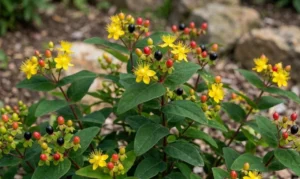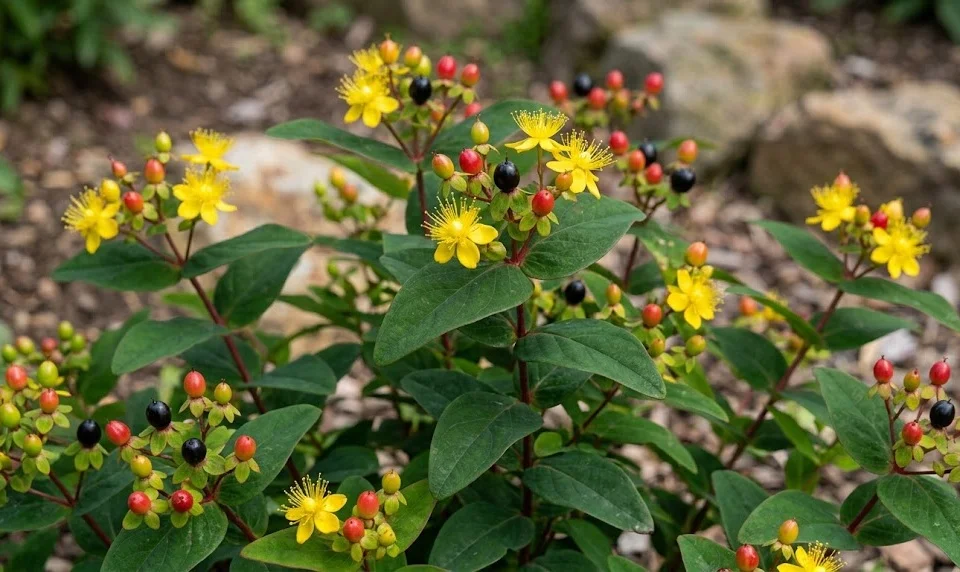

Understanding the specific light preferences of this shrub is the key to achieving the most vibrant foliage and the best berry production. While the plant is notably adaptable to various conditions, it has a definite “sweet spot” where it truly flourishes and shows its best features. Balancing the need for energy from the sun with the protection offered by shade is an art that every gardener can master with a bit of observation. The right light environment will ensure that your plant remains healthy and beautiful for many years to come.
The ideal sun-to-shade ratio
In its natural habitat, this species is often found growing along the edges of woodlands or in clearings where the light is filtered. This dappled shade is the perfect environment because it provides enough light for photosynthesis without the stress of direct midday heat. You should aim to replicate this by planting your shrub in a location that receives morning sun followed by afternoon shade. This timing allows the plant to dry off any morning dew while staying cool during the hottest part of the day.
Full shade is tolerated by the plant, but you may find that the growth is a bit slower and the berry production is less prolific. In very deep shade, the stems can become slightly elongated or “leggy” as they reach toward any available light source. The leaves will still be a beautiful green, but the characteristic yellow flowers might be fewer in number than on a plant with more light. If your goal is a dense, berry-filled shrub, a bit of filtered sunlight is definitely the way to go.
On the other end of the spectrum, full sun can be a bit too intense for the foliage, especially in regions with very hot and dry summers. The leaves can develop brown, crispy edges, and the overall color may look a bit pale or washed out under constant direct light. If you must plant in a sunny spot, you will need to be much more diligent about watering to help the plant cope with the extra heat. Providing a thick layer of mulch will also help keep the roots cool, which mitigates some of the stress from the sun.
Observing how the light moves across your garden at different times of the year is a vital part of finding the perfect spot. Remember that the angle of the sun changes significantly from spring to late summer, affecting which areas receive the most exposure. A spot that is perfectly shaded in May might be in full sun by August as the sun moves lower in the sky. Taking the time to understand these seasonal shifts will help you place your shrub in a location where it will always be happy.
More articles on this topic
Effects of extreme exposure
Too much direct sunlight can cause a condition known as leaf scorch, where the leaf tissues are physically damaged by the intensity of the light. You will notice this as dry, brown patches that typically start at the tips or edges of the leaves and move inward. This not only looks unsightly but also reduces the plant’s overall vigor by destroying its food-producing surfaces. If you see these signs, it is a clear indication that the plant needs more protection from the afternoon sun.
Extreme light exposure also accelerates the drying of the soil, which adds another layer of environmental stress to the shrub. The plant has to work much harder to pull moisture from the ground to replace what is lost through evaporation from the leaves. This can lead to a cycle of wilting and recovery that eventually weakens the plant and makes it more susceptible to pests and diseases. Providing artificial shade during the hottest weeks of the year can be a helpful temporary solution if your plant is struggling.
In very low light conditions, the plant’s main challenge is a lack of energy to produce its distinctive flowers and berries. The shrub will focus all its limited resources on growing its leaves to capture as much light as possible, often at the expense of reproduction. You might find that the berries are smaller or that they take much longer to reach their final, glossy black color in the autumn. While the plant will survive in low light, it may never reach the full ornamental potential that makes it so popular.
Managing these extremes is about finding a balance that works for your specific garden and local climate conditions. You can use taller plants or garden structures to create a more favorable light environment for your tutsan. Thinning the canopy of overhanging trees can also let in just enough extra light to transform a shaded plant into a flowering beauty. Small adjustments to the light levels can have a dramatic impact on the health and appearance of your shrub over time.
More articles on this topic
Adapting to local microclimates
Every garden has unique microclimates that are influenced by things like walls, fences, and the arrangement of other plants and buildings. A north-facing wall, for example, provides a cool and consistently shaded environment that this shrub will find very comfortable. Conversely, a spot near a south-facing white wall will reflect extra heat and light, which might be too much for the plant to handle. Understanding these small-scale variations allows you to use the natural features of your garden to the plant’s advantage.
Coastal gardens and high-altitude locations present their own unique light and environmental challenges for woodland species. In coastal areas, the light can be very bright and reflected off the water, increasing the overall intensity of the exposure. High-altitude gardens often have much thinner air, which means the UV rays from the sun are more powerful and potentially damaging to the foliage. In these cases, providing more shade than usual is a wise strategy to protect the plant from being overwhelmed by the environment.
Urban gardens often have very complex light patterns due to the presence of buildings and small, enclosed spaces. You might find that your garden receives very intense light for only a few hours a day and is in deep shade for the rest of the time. This “pulse” of light can be stressful for the plant, as it has to adjust its metabolism very quickly as the sun passes overhead. Providing a consistent level of filtered light through the use of screens or trellis can help smooth out these dramatic shifts.
Ultimately, the best guide for the light requirements of your tutsan is the plant itself and how it responds to its current position. If it is growing strongly with lush green leaves and plenty of berries, you have found the perfect spot for it in your garden. If it looks stressed, pale, or is failing to flower, do not be afraid to move it to a more suitable location in the early spring. This willingness to adapt to the needs of the plant is what separates a good gardener from a truly great one.