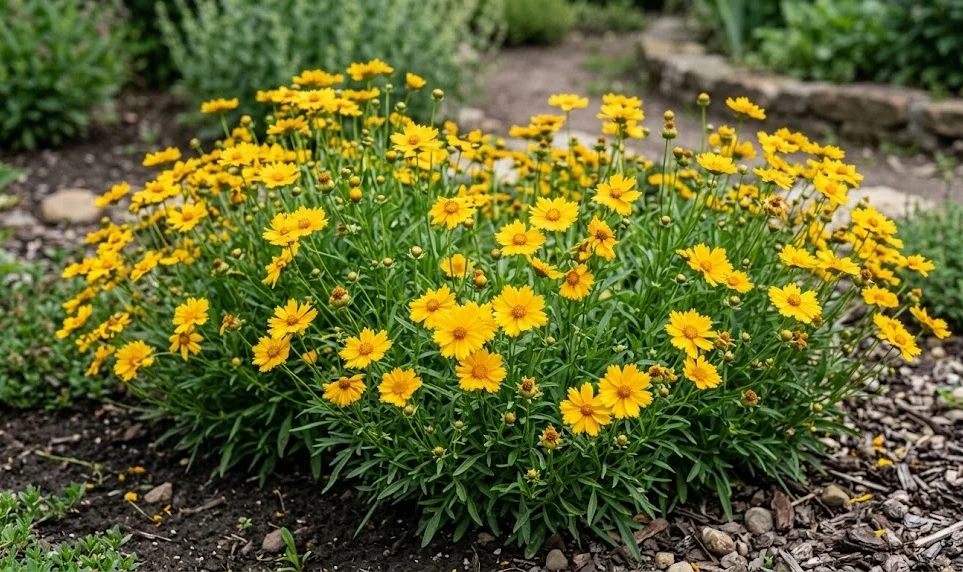

Protecting tickseed from diseases and pests is an essential part of maintaining a professional-grade garden that remains healthy and beautiful. While these perennials are generally known for their robust nature and resistance to many common problems, they are not entirely immune to environmental stressors. Identifying issues early and understanding the underlying causes allows you to take swift and effective action before significant damage occurs. A proactive approach to plant health focuses on prevention and natural balance to ensure your garden thrives with minimal chemical intervention.
Identifying and managing fungal infections
Powdery mildew is one of the most common fungal issues that gardeners encounter when growing various types of tickseed. It typically appears as a white, flour-like dusting on the surface of the leaves, especially during humid weather or in areas with poor air circulation. While it rarely kills the plant, it can significantly detract from its aesthetic appeal and weaken its overall vigor over time. You should avoid overhead watering and ensure proper spacing between plants to minimize the conditions that allow this fungus to flourish.
Leaf spot is another fungal disease that can manifest as small, dark brown or black spots on the foliage. If left unchecked, these spots can enlarge and eventually cause the affected leaves to turn yellow and drop prematurely. This condition often arises during periods of prolonged wet weather or when the plants are grown in overly shaded locations. Removing and destroying any infected foliage is a professional way to stop the spread of spores to healthy parts of the plant or neighboring specimens.
Root rot is perhaps the most serious fungal threat, often caused by poorly drained soil or excessive watering. You might notice the plant wilting despite having moist soil, and upon inspection, the roots may appear dark, mushy, and foul-smelling. Prevention is the best cure for root rot, which involves selecting a planting site with excellent drainage and being careful not to over-saturate the earth. If a plant is severely affected, it is often best to remove it entirely to prevent the pathogen from lingering in the soil and infecting new additions.
Botrytis blight, also known as gray mold, can sometimes affect the flowers and tender buds during cool, damp spring or autumn days. This fungus causes the blossoms to turn brown and become covered in a fuzzy gray growth that quickly spreads. Professional gardeners keep a close eye on the weather and may choose to thin out the foliage to improve air movement through the center of the clumps. Removing spent flowers promptly through deadheading is an excellent preventive measure that also keeps the plant looking tidy and productive.
More articles on this topic
Common insect pests and their impact
Aphids are small, sap-sucking insects that are frequently found on the tender new growth and flower buds of tickseed. They can cause the leaves to curl or become distorted, and they often leave behind a sticky substance known as honeydew. This honeydew can attract ants and provide a medium for the growth of sooty mold, further complicating the plant’s health. You can often manage a small infestation by simply washing the insects off with a strong stream of water from a garden hose.
Spider mites are microscopic pests that thrive in hot, dry conditions and can cause significant damage before they are even noticed. They feed on the undersides of the leaves, leading to a stippled or bronzed appearance of the foliage that eventually dries out and falls off. If you notice fine webbing between the stems, it is a clear sign of a significant mite population that needs immediate attention. Increasing the local humidity and ensuring the plants are well-hydrated can help deter these pests from establishing a foothold in your garden.
Thrips are another tiny insect that can cause unsightly damage to the flowers and developing buds of your perennials. They often cause the blossoms to appear streaked or scarred, and in severe cases, the buds may fail to open entirely. Because they are so small and often hide deep within the floral structures, they can be difficult to spot without a magnifying glass. Maintaining a diverse garden with plenty of natural predators, such as ladybugs and lacewings, is a professional strategy for keeping thrip populations in check naturally.
Slugs and snails may occasionally target the young, tender shoots of tickseed in the early spring or during particularly wet periods. These nocturnal pests leave behind ragged holes in the leaves and telltale silvery slime trails as they move across the soil. You can protect your plants by removing debris where these creatures hide and using barriers or traps if necessary. Keeping the area around the base of the plants clear of excessive mulch can also reduce the humidity that attracts these moisture-loving pests.
More articles on this topic
Professional preventive measures
The best defense against any pest or disease is a healthy and vigorous plant that can naturally resist attacks. Ensuring that your tickseed is grown in its ideal environment with sufficient light and proper soil drainage is the most important preventive step you can take. Plants that are stressed by too much shade or constant wet feet are far more likely to fall victim to pathogens and insects. A professional gardener focuses on “the right plant in the right place” to minimize the need for corrective treatments.
Sanitation is a critical but often overlooked aspect of maintaining a healthy garden environment throughout the year. You should always use clean, sharp tools when pruning or deadheading to avoid introducing bacteria or fungi into open wounds. Removing dead or diseased plant material from the garden bed prevents pathogens from overwintering and resurfacing the following season. This simple habit of cleanliness goes a long way in breaking the life cycles of many common pests and diseases.
Crop rotation, even within a perennial bed, can be a useful strategy if you encounter persistent soil-borne issues. If a specific area of your garden has a history of root rot or wilt, it may be wise to avoid planting tickseed in that spot for a few years. This allows the local pathogen levels to decrease naturally and gives you a chance to improve the soil conditions before trying again. Staying observant and keeping records of where problems occur will help you manage your landscape more effectively over time.
Encouraging biodiversity in your garden is a modern and professional approach to pest management that yields long-term results. By planting a variety of flowers that bloom at different times, you attract a wide range of beneficial insects that act as natural pest controllers. Birds, toads, and predatory insects all play a role in maintaining a balanced ecosystem where no single pest can dominate. This ecological approach reduces the need for chemicals and creates a more resilient and vibrant outdoor space.
Natural and organic pest control
If you must intervene to manage a pest problem, starting with the least toxic methods is always the preferred professional approach. Horticultural soaps and oils are effective against many soft-bodied insects like aphids and mites without leaving harmful residues. These products work by physical contact, so it is important to cover all surfaces of the plant, including the undersides of the leaves. Always apply these treatments during the cooler parts of the day to avoid leaf burn under the hot sun.
Neem oil is a versatile organic option that acts as both a fungicide and an insecticide, making it a valuable tool for any gardener. It can help manage powdery mildew while also deterring a variety of chewing and sucking insects from feeding on your plants. Because it is derived from natural sources, it is generally considered safe for use in residential landscapes when applied according to the label. Using it as a preventive spray during peak disease seasons can help keep your tickseed looking its best without harsh chemicals.
Biological controls involve releasing or attracting specific beneficial organisms to target the pests that are causing trouble. For example, purchasing ladybugs or lacewing larvae can provide a quick boost to your garden’s natural defenses against aphids. This method requires a bit of patience and an understanding of the life cycles of both the pests and the predators. It is a highly effective and environmentally friendly way to manage infestations while supporting the health of the broader local ecosystem.
Hand-picking is a simple and effective technique for larger pests like slugs, snails, or certain types of beetles. While it may be time-consuming for large gardens, it is the most targeted and safe way to remove unwanted visitors from your plants. Spending a few minutes each evening or morning checking your tickseed allows you to catch problems before they become widespread. This direct connection with your plants is one of the joys of gardening and a key part of expert-level plant care.
Restoring health after a setback
If your tickseed has suffered from a disease or pest infestation, focus on supporting its recovery through gentle and consistent care. You should remove any damaged or unsightly foliage to allow the plant to direct its energy toward new, healthy growth. Providing a light application of a balanced organic fertilizer can give the plant the nutrients it needs to rebuild its strength. Be careful not to over-stimulate the plant, as excessive new growth can sometimes attract even more pests.
Monitoring the moisture levels in the soil is especially important when a plant is recovering from root-related issues or stress. You want to keep the environment stable, avoiding the extremes of bone-dry soil or soggy conditions that could lead to further complications. A fresh layer of clean mulch can help stabilize the soil temperature and moisture, providing a supportive nursery for the recovering roots. Consistency in your care routine is the best way to help the plant bounce back and return to its former glory.
In some cases, if a plant is too severely damaged or remains a constant source of infection for the rest of your garden, removal may be the most professional choice. While it can be difficult to let a plant go, protecting the health of the entire collection is sometimes more important than saving a single specimen. After removing a sick plant, take the time to evaluate why the problem occurred and what changes you can make to prevent it in the future. This learning process is what turns a good gardener into a true expert.
Finally, remember that occasional pests and diseases are a natural part of any outdoor environment and not necessarily a sign of failure. Even the most carefully managed professional gardens will face challenges from time to time as the seasons and weather patterns change. The goal is not total eradication of all insects and fungi, but rather a healthy balance where the plants can thrive and coexist with nature. By staying informed and proactive, you can enjoy a beautiful and resilient tickseed display for many years.