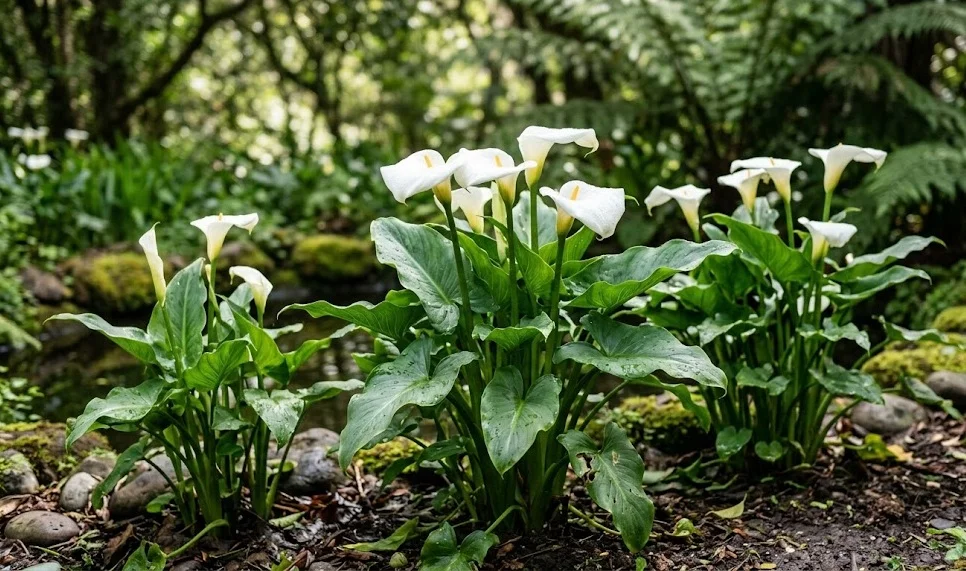

Proper irrigation and fertilization are the twin pillars of successful white calla cultivation, directly impacting the plant’s growth and flowering potential. These plants are native to marshy areas and stream banks, meaning they have a naturally high demand for water that must be met throughout their active season. However, simply pouring water onto the soil is not enough; you must understand the balance between keeping the roots hydrated and preventing the conditions that lead to rot. Developing a disciplined routine for providing moisture and nutrients is the most effective way to ensure your callas remain healthy and vibrant.
Watering should be approached as a dynamic process that changes with the weather and the plant’s stage of development. In the early spring, when the rhizome is just beginning to sprout, the water demand is relatively low, and overwatering at this stage can be detrimental. As the temperatures rise and the leaves expand, the plant’s transpiration rate increases, requiring more frequent and deeper irrigation. By the time the calla is in full bloom during the heat of summer, it may require daily attention to prevent the soil from drying out.
Fertilization is equally important, as white callas are heavy feeders that require a consistent supply of minerals to produce their large leaves and flowers. Because they grow rapidly over a relatively short period, they can quickly exhaust the nutrients available in the surrounding soil. A well-planned fertilization schedule provides the “fuel” needed for this intense growth and helps the plant build up energy reserves for the following year. Without adequate nutrition, your callas may appear stunted, with pale foliage and few, if any, flowers.
Consistency is the hallmark of professional irrigation and fertilization for the white calla. Dramatic shifts between extreme wetness and total dryness can stress the plant, leading to physiological issues like leaf tip burn or bud drop. Similarly, erratic feeding can cause uneven growth patterns that detract from the plant’s natural elegance. By establishing a regular schedule and sticking to it, you provide a stable environment where the white calla can reach its full ornamental potential.
Principles of effective irrigation
The goal of irrigation for the white calla is to maintain a soil environment that is consistently moist but never waterlogged for extended periods. When you water, you should aim to saturate the entire root zone, encouraging the roots to grow deep into the soil. Surface-level watering often leads to a shallow root system that makes the plant more vulnerable to drought and instability. Deep, thorough soaking is always preferable to frequent, light sprinkles that barely penetrate the top layer of soil.
More articles on this topic
Morning is the ideal time to water your callas, as it allows the foliage to dry before the cooler temperatures of the evening set in. Wet leaves overnight can create a breeding ground for fungal pathogens like botrytis or powdery mildew. Additionally, watering in the morning ensures the plant has a full reservoir of moisture to draw upon as it faces the heat of the day. If you find the plants drooping in the late afternoon, a supplemental watering may be necessary during particularly hot spells.
Using the right technique can also help prevent soil erosion and keep the delicate flowers clean. Whenever possible, apply water directly to the base of the plant using a soaker hose or a watering can with a long spout. This keeps the moisture where it is needed most and avoids splashing soil onto the white spathes, which can cause staining. If you are growing callas in a garden bed, a layer of mulch can help distribute the water more evenly and prevent the surface from drying out too quickly.
In some cases, white callas can be grown as marginal aquatic plants, where their pots are partially submerged in water. This method effectively automates the irrigation process but requires careful monitoring of the water quality and level. If the water becomes stagnant, it can lead to a lack of oxygen for the roots and subsequent decay. For most home gardeners, however, maintaining a damp soil environment through regular manual or automated irrigation is the most practical and successful approach.
Nutritional requirements and fertilization
To support the rapid development of the white calla, you should use a balanced, water-soluble fertilizer that provides nitrogen, phosphorus, and potassium. Nitrogen is essential for the production of the lush, green foliage that serves as the plant’s energy factory. Phosphorus supports a strong root system and is vital for the development of the rhizome underground. Potassium plays a key role in the flowering process, ensuring that the blooms are large, sturdy, and long-lasting.
More articles on this topic
A typical fertilization schedule begins when the first shoots emerge from the ground and continues until the flowering period ends. You can apply a balanced liquid fertilizer every two to three weeks, following the manufacturer’s instructions for dosage. During the height of the growing season, some gardeners switch to a fertilizer with a higher potassium content to specifically boost flower production. This targeted approach helps the plant allocate its resources more effectively toward the aesthetic goals you desire.
It is important to avoid over-fertilizing, particularly with high-nitrogen products, as this can lead to excessive leaf growth at the expense of flowers. If you see incredibly tall, dark green leaves but no white spathes, you may be providing too much nitrogen. Furthermore, an excess of fertilizer salts can build up in the soil over time, potentially damaging the sensitive roots of the calla. Flushing the soil with plain water occasionally can help prevent this buildup and maintain a healthy chemical balance.
Organic fertilizers, such as compost tea or seaweed extract, are excellent alternatives or supplements to synthetic products. These options provide a wide range of micronutrients and beneficial microbes that improve the overall health of the soil. Organic matter also helps to stabilize the soil’s nutrient-holding capacity, ensuring that the callas have access to minerals over a longer period. Integrating both organic and mineral-based fertilizers can create a robust nutritional foundation for your plants.
Managing water and nutrients in containers
When growing white callas in pots, the management of water and nutrients becomes more intense because of the limited volume of the growing medium. Containers have a much higher surface-area-to-volume ratio, leading to faster evaporation and a quicker depletion of moisture. You may find that potted callas need to be watered every single day during the summer, or even twice a day if the weather is exceptionally hot and windy. Monitoring the weight of the pot or feeling the soil with your fingers is the best way to determine when it’s time to irrigate.
Leaching is a significant concern in container gardening, as every time you water, some of the soluble nutrients are washed out of the bottom of the pot. This means that potted callas require more frequent fertilization than those grown in the ground to maintain their vitality. Using a slow-release granular fertilizer at the beginning of the season can provide a steady baseline of nutrients, which you can then supplement with liquid feeds. This dual-layer approach ensures the plant is never truly “hungry” during its peak growth phase.
The type of pot you choose also influences your irrigation strategy; for example, terracotta pots are porous and dry out much faster than plastic or glazed ceramic ones. If you prefer the look of terracotta, you must be prepared to water more frequently to compensate for the moisture loss through the walls of the pot. Regardless of the material, always ensure that the drainage holes are clear and that excess water can escape freely. While callas love moisture, they do not enjoy sitting in stagnant, oxygen-poor water at the bottom of a pot.
End-of-season care for container-grown callas involves a deliberate tapering off of both water and fertilizer. As the days shorten and the plant begins to enter its natural dormancy, you should stop fertilizing altogether to discourage new, tender growth that won’t survive the winter. Gradually reduce the frequency of watering, allowing the soil to dry out more between sessions. This controlled transition helps the rhizome prepare for its rest period and ensures a healthy start for the following spring.
Signs of irrigation and nutritional stress
Learning to read the visual cues of your white callas will help you identify and correct irrigation or nutritional problems before they become severe. One of the most common signs of underwatering is the drooping or wilting of the leaves, which often happens in the late afternoon. If the plant does not recover overnight, it is a clear signal that the soil is too dry and needs immediate attention. Conversely, yellowing leaves that feel soft and mushy can indicate overwatering and the onset of root or rhizome rot.
Nutritional deficiencies also leave distinct marks on the foliage that a keen eye can easily spot. A lack of iron often results in interveinal chlorosis, where the leaves turn yellow while the veins remain a sharp green. If the older leaves start to turn yellow and fall off prematurely, it may be a sign of nitrogen deficiency, as the plant is moving nutrients to the newer growth. Regularly inspecting the leaves from the base to the tips will give you a good sense of the plant’s overall nutritional status.
The appearance of the flowers can also tell you a lot about the plant’s health and the effectiveness of your care routine. Small, stunted flowers or spathes that fail to open properly often point to a lack of phosphorus or potassium during the budding stage. If the flower stems are weak and prone to flopping over, the plant may be receiving too much water or not enough calcium. Adjusting your fertilization and watering practices based on these observations allows for a more precise and professional level of care.
Finally, watch for salt burn on the tips of the leaves, which appears as brown, crispy edges. This is often caused by a buildup of fertilizer salts in the soil or by using water with a high mineral content. If you notice this, give the soil a thorough “leaching” by watering heavily and allowing it to drain away, repeating this several times. This simple corrective measure can restore the balance and prevent further damage to the foliage, keeping your white callas looking their best.
Long-term soil and water health
Over several years of cultivation, the soil in your calla beds can become compacted or depleted, requiring proactive management to maintain its quality. Incorporating fresh organic matter every spring is a non-negotiable practice for the professional gardener. This not only replenishes nutrients but also maintains the soil’s ability to hold water and air in the correct proportions. Healthy soil is a living system that supports the white calla by providing a stable and nurturing environment for its rhizomes.
Water quality is another factor that can influence long-term success, especially if you rely on municipal water sources. Some tap water contains high levels of chlorine or fluoride, which can be sensitive for certain plants over time. If possible, using rainwater collected in barrels is the best option for irrigation, as it is naturally soft and free of synthetic chemicals. Rainwater is also slightly acidic, which aligns perfectly with the pH preferences of the white calla.
Mulching is a long-term strategy that pays dividends in both water conservation and soil health. By keeping the soil surface covered, you reduce the rate of evaporation and keep the root zone cooler during the summer heat. As the mulch decomposes, it adds to the organic layer of the soil, improving its structure and fertility year after year. A well-mulched bed requires less manual intervention and provides a more consistent habitat for the plants.
The ultimate goal of your irrigation and fertilization efforts is to build a resilient plant that can withstand the occasional environmental hiccup. A white calla that has been consistently well-fed and properly hydrated will have a much higher resistance to pests and diseases. This proactive approach to care is much more effective than trying to “fix” a stressed plant after problems have already emerged. By treating irrigation and fertilization as a professional discipline, you ensure the enduring beauty of your garden.