
Managing the mole plant effectively requires a deep understanding of its unique lifecycle as a biennial species. This plant is often sought after for its architectural structure and the traditional belief that it helps deter rodents from the garden. You must approach its maintenance with a focus on its natural Mediterranean origins to ensure it thrives across two full seasons. Providing the right environment allows the plant to develop its characteristic symmetrical leaves and eventual flowering umbels.
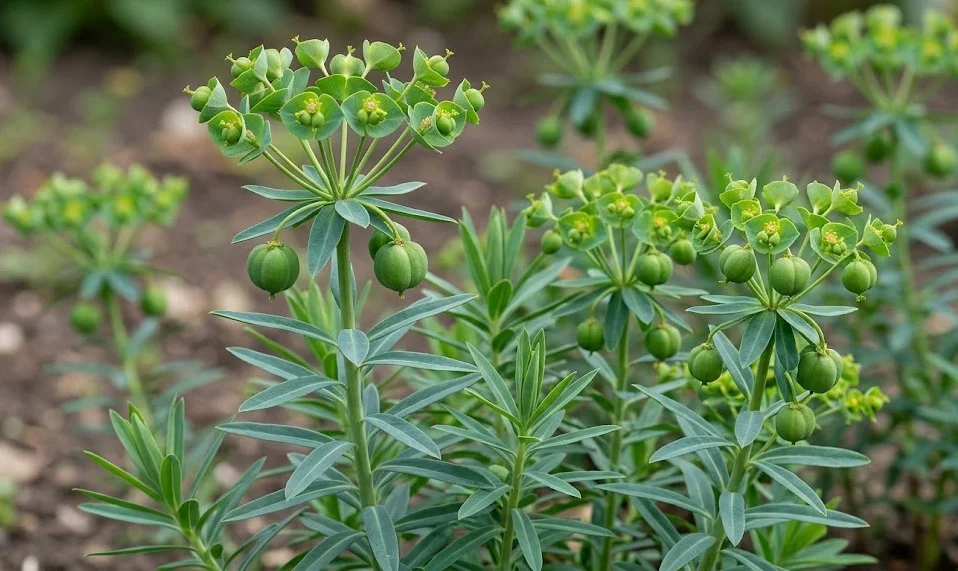
Understanding the biennial nature of the species is crucial for long-term garden planning. In its first year, the plant focuses entirely on vegetative growth, producing a sturdy central stem with narrow, bluish-green leaves. The second year brings the reproductive phase, where the plant branches out and produces its distinct yellowish-green flowers. Once the seeds have fully matured and dispersed, the parent plant will naturally complete its life cycle and die back.
Safety is a primary concern when handling any member of the Euphorbia family due to the presence of latex. This milky sap is highly irritating to the skin and eyes and can cause significant discomfort if handled without protection. Always wear thick gloves and long sleeves when performing any maintenance tasks involving the stems or leaves. If you accidentally come into contact with the sap, wash the area immediately with plenty of soap and water to prevent chemical burns.
The aesthetic appeal of the mole plant lies in its geometric precision and upright stature. It can reach heights of up to one and a half meters, making it an excellent choice for adding vertical interest to the back of a border. Because it stands so straight, it rarely needs staking unless it is grown in an extremely windy or exposed location. Gardeners appreciate how the blue-grey foliage provides a neutral backdrop for more colorful flowering perennials nearby.
Soil and site selection
Finding the perfect spot for the mole plant begins with assessing the drainage capabilities of your garden soil. This species is remarkably adaptable, but it will quickly succumb to root rot if forced to sit in waterlogged earth. A sandy or loamy soil structure that allows excess moisture to move away from the root zone is ideal for healthy development. If your garden has heavy clay, consider planting on a slight mound or incorporating organic matter to improve the structure.
More articles on this topic
The chemical composition of the soil is less critical than its physical texture, as the plant is not a heavy feeder. It tends to prefer a neutral to slightly acidic pH range, though it can tolerate mildly alkaline conditions without much trouble. Excessive fertility can actually be detrimental, leading to leggy growth that lacks the characteristic rigidity of the species. Aim for a balanced soil that provides enough minerals without being overly enriched with nitrogen-heavy fertilizers.
The location should also consider the plant’s tendency to self-seed quite prolifically if left to its own devices. Choosing a spot where new seedlings can be easily managed or allowed to naturalize will save you a lot of work in the future. Many gardeners find that the plant looks best when grouped in small clusters rather than as isolated specimens. This grouping creates a more dramatic architectural effect while also concentrating any potential mole-repelling benefits in a specific area.
Space management is another factor to keep in mind when finalizing the planting site for this biennial. Since the plant expands significantly in its second year, ensure there is at least fifty centimeters of space between it and its neighbors. Overcrowding can limit air circulation, which may lead to fungal issues during humid summer months. Proper spacing allows each individual plant to reach its full architectural potential without competing for light or nutrients.
Seasonal maintenance routines
Spring is the time to monitor the progress of first-year plants as they begin their second year of growth. You will notice the central stem starting to thicken and the apical meristem preparing for the branching process. This is an excellent opportunity to clear away any debris that may have accumulated around the base of the plant during the winter. Keeping the area clean helps prevent pests from establishing early colonies near the tender new growth.
More articles on this topic
Summer maintenance is largely focused on monitoring the development of the flower heads and subsequent seed pods. If you do not want the plant to spread throughout your garden, you must remove the flowering stalks before the seeds ripen. The pods are known to explode when dry, throwing seeds several meters away from the mother plant. Frequent inspections during the hottest months will ensure you catch the pods before they reach this explosive stage.
Autumn care involves preparing the first-year seedlings for their upcoming winter dormancy period. These young plants should be well-established by this point, with a strong root system and a compact rosette of leaves. Adding a thin layer of organic mulch around the base can help regulate soil temperature, though it should not touch the stem directly. This protection helps the young plants survive the first hard frosts and ensures a vigorous start the following spring.
In winter, the plant requires very little intervention, especially if it has been planted in a well-drained location. First-year plants remain evergreen in many climates, providing visual interest when the rest of the garden is bare. You should avoid any heavy pruning or fertilization during this period, as the plant is in a semi-dormant state. Simply keeping an eye on the drainage after heavy rains or snowmelt is sufficient to keep the plant healthy until spring returns.
Handling and garden safety
The toxic nature of the mole plant means that safety protocols should be a standard part of your gardening routine. It is wise to keep children and pets away from the area where these plants are growing to avoid accidental ingestion or contact. The seeds, in particular, contain high concentrations of purgative oils that can be very dangerous if eaten. Labeling the plant in a public or shared garden space is a responsible way to inform others of its properties.
When you are finished working with the plant, all tools used should be thoroughly cleaned to remove any traces of sap. The latex can dry into a sticky residue that is difficult to remove and may damage the cutting edges of pruners over time. Rubbing alcohol or a dedicated tool cleaner is usually effective at dissolving the sap and keeping your equipment in top condition. Always wash your gardening gloves separately from your regular laundry to prevent cross-contamination of the irritating fluids.
Disposal of plant material must also be handled with care, as the sap remains active even in dead stems. Never burn the remains of a mole plant, as the smoke can carry irritating particles that may damage your lungs and eyes. It is also advisable to avoid adding large quantities of this plant to a cold compost pile where the toxins may persist. Instead, use a hot composting method or dispose of the waste through municipal green waste services where available.
Protective eyewear is a frequently overlooked piece of equipment when working with taller Euphorbia specimens. As you prune or move between the stalks, it is possible for a snapped branch to flick sap toward your face. Wearing basic safety glasses provides a crucial barrier that can prevent a painful trip to the clinic. Taking these simple precautions allows you to enjoy the unique beauty of the plant without the risk of physical injury.
Optimizing growth and aesthetics
To achieve the best visual results, consider the color palette of the mole plant’s foliage when designing your garden beds. The distinct blue-green hue pairs beautifully with silver-leaved plants like lavender or dusty miller. It also creates a sharp contrast when placed next to dark purple or burgundy foliage, such as certain varieties of heuchera. Experimenting with these combinations can turn a simple structural plant into a highlight of your landscape design.
Maintaining the upright habit of the plant is essential for its architectural impact throughout the seasons. If the plant begins to lean, it is often a sign that it is reaching for more light or that the soil is too rich in nitrogen. You can gently nudge the plant back into position, but be careful not to snap the brittle stems during the process. Usually, providing the correct environmental conditions from the start will prevent these structural issues from occurring.
The symmetry of the mole plant is its most defining characteristic, and you should aim to preserve this through careful management. Avoid crowding it with fast-growing annuals that might shade one side and cause uneven development. Rotating the surrounding plants or thinning them out can help ensure that light reaches the mole plant evenly from all directions. This uniform exposure results in a perfectly balanced specimen that looks impressive from every angle of the garden.
Using the mole plant as a focal point can draw the eye through a large garden space effectively. Its height and unusual shape make it stand out even among more colorful or flowery species in a mixed border. You might place a single specimen at the end of a path or use a row of them to define a boundary within the garden. Their consistent appearance throughout the growing season makes them reliable anchors for a dynamic and changing landscape.
Managing the biennial cycle
Understanding that this plant is not a long-lived perennial will change how you approach its role in your garden. Because it dies after flowering, you must always have a new generation of seedlings ready to take its place. This creates a rhythmic cycle where you are simultaneously caring for mature flowering plants and young vegetative rosettes. Successful management involves allowing a few seeds to drop each year to ensure the continuity of the colony.
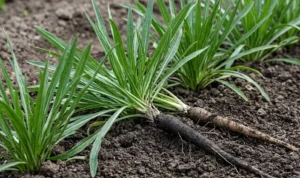
Identifying the seedlings early in the season allows you to decide which ones to keep and which to remove. They have a very distinct look even when small, with their first true leaves showing the characteristic opposite arrangement. You can easily transplant these small seedlings to more desirable locations while they are still young. Once they develop a taproot, however, moving them becomes much more difficult and often leads to the death of the plant.
If you find that the plants are becoming too numerous, you can easily control the population by thinning. Removing the excess seedlings before they become established is a simple task that keeps the garden looking tidy. It is much easier to pull a small plant than to dig out a mature one with a deep root system. Regular weeding sessions will ensure that the mole plant remains a welcome guest rather than an invasive nuisance in your beds.
The transition from the first to the second year is the most exciting phase of the plant’s development. You will see a sudden surge in growth as the days lengthen and temperatures rise in the early summer. This burst of energy is fueled by the nutrients stored in the roots during the previous growing season. Watching this transformation provides a wonderful insight into the specialized survival strategies of biennial plants in the temperate garden.
Long term garden integration
Integrating the mole plant into a sustainable garden requires a balance between its aesthetic value and its vigorous nature. It is particularly well-suited for xeriscaping or gravel gardens where water conservation is a priority. Once established, it requires very little supplemental irrigation, making it an eco-friendly choice for dry climates. Its ability to thrive in poor soils further enhances its value as a low-maintenance structural element.
Many gardeners utilize this species specifically for its reputed ability to protect other plants from underground pests. While scientific evidence is mixed, the tradition of planting it near prized bulbs or vegetable patches remains popular. Even if the repelling effect is minimal, the plant provides a beautiful vertical layer that complements lower-growing crops. It serves as a multifunctional addition to the garden, combining utility with architectural beauty.
The longevity of the mole plant’s presence in your garden depends on your willingness to manage its self-seeding habit. By carefully selecting which plants are allowed to go to seed, you can influence the future layout of your garden beds. This hands-on approach allows for a semi-wild look that still feels intentional and well-maintained. Over several years, you will develop a feel for the best spots where the plant naturally thrives and looks its best.
Ultimately, the mole plant is a rewarding species for those who appreciate unique forms and are willing to respect its toxic properties. It challenges the gardener to think in longer cycles than simple annuals or perennials. By mastering its care, you gain a reliable and striking architectural feature that returns year after year through its offspring. It is a testament to the beauty and resilience of the Euphorbia family in the domestic landscape.