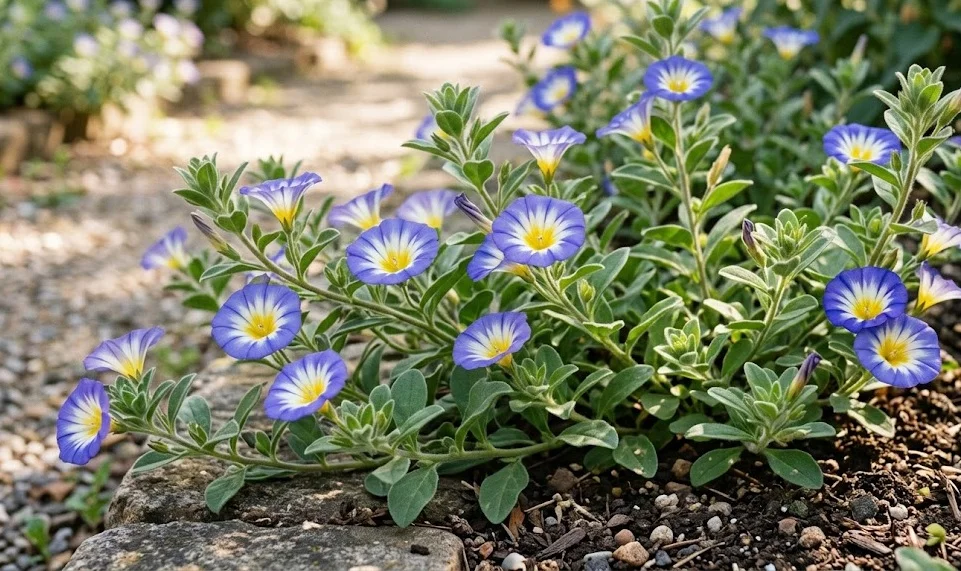

Pruning is a simple but powerful technique that can help you maintain the shape and vigor of your dwarf morning glory throughout the growing season. While these plants have a naturally tidy, mounding habit, a little bit of targeted cutting can encourage more flowers and prevent the plant from becoming too unruly. Whether you are looking to tidy up a container display or encourage a second flush of blooms in a garden bed, knowing how and when to prune is a valuable skill. By following a few expert tips, you can keep your plants looking fresh and vibrant from early summer until the first frost.
The most common form of pruning for this species is “deadheading,” which involves removing the spent flowers once they have started to fade. This prevents the plant from putting its energy into seed production and instead encourages it to keep producing new flower buds. Because each individual flower only lasts for a day, you will have plenty of opportunities to practice this simple task. It only takes a few minutes every few days, and many gardeners find the process to be a relaxing and meditative part of their garden routine.
To deadhead correctly, follow the flower stem down to where it meets the main branch and pinch it off with your thumb and forefinger or use a small pair of clean scissors. Be careful not to damage the nearby buds that are still waiting to open, as they are the future of your floral display. Removing the old flowers not only encourages more blooming but also keeps the plant looking neat and prevents the buildup of old, decaying petals. It is a small effort that yields a significant return in the overall beauty of your garden.
As the season progresses, you might find that some of the stems have become a bit too long or “leggy,” especially if the plant is growing in a very fertile soil. You can easily manage this by pinching back the growing tips of the longest stems to encourage more lateral branching. This results in a bushier, more compact plant that has more locations for flowers to emerge. Don’t be afraid to be a little bit bold with your pinching, as the dwarf morning glory is a fast grower and will quickly recover with new green shoots.
End of season cleanup and rejuvenation
Toward the end of the summer, your plants might start to look a bit tired after several months of intense growth and flowering. If the foliage is starting to look a bit sparse or yellow, you can try a more significant “haircut” to rejuvenate the plant for the final weeks of the season. Use clean garden shears to cut back the entire plant by about a third of its height, making sure to leave plenty of healthy green leaves. Follow this up with a good watering and a light application of a balanced liquid fertilizer to support the new growth.
More articles on this topic
This mid-season pruning can often trigger a fresh burst of energy and a whole new set of flower buds, extending the beauty of your garden into the autumn. It is especially effective for plants grown in containers or hanging baskets where the soil volume is limited and the plants might be more prone to exhaustion. While it can be a bit scary to cut back a plant that you have nurtured for months, the results are often worth the risk. You will be rewarded with a much tidier and more productive plant that will continue to brighten your outdoor space until the weather turns cold.
If you are growing your dwarf morning glories as a groundcover, you might not need to do as much pruning, but keeping an eye on their spread is still a good idea. Sometimes the trailing stems can start to overwhelm smaller neighbors or grow over the edges of paths and borders. You can simply trim back these adventurous stems to keep the plant within its designated area and maintain a neat appearance. This also helps ensure that the center of the plant receives enough light and air circulation to stay healthy and productive.
Cleanliness is also an important part of the pruning process, as it helps prevent the spread of diseases within your garden. Always make sure your tools are sharp and clean before you start cutting, and wipe them down with a bit of rubbing alcohol if you have been working on any plants that look unhealthy. Removing the clippings from the garden bed and adding them to your compost pile prevents them from becoming a hiding place for pests. A tidy garden is almost always a healthy garden, and your dwarf morning glory will certainly appreciate the extra care.
Pruning for health and aesthetics
Beyond just encouraging more flowers, pruning is also a vital tool for maintaining the overall health of your plants. Regularly removing any yellowing, damaged, or diseased leaves prevents problems from spreading and allows the plant to focus its energy on healthy growth. This is especially important during wet and humid weather when fungal issues are more likely to occur. By keeping the interior of the plant open and airy, you are creating an environment that is much less inviting to pathogens and pests.
More articles on this topic
If you notice any stems that are crossing or rubbing against each other, it is a good idea to remove one of them to prevent damage to the delicate outer layer of the plant. These small wounds can provide an entry point for bacteria and fungi, so a proactive approach to pruning can save you a lot of trouble later on. A well-shaped plant is not only more beautiful but also more structurally sound and better able to withstand the elements. Each cut you make should be a deliberate decision aimed at improving the life of the plant.
For those who enjoy a more formal look in their garden, you can use pruning to create a very specific shape or density for your dwarf morning glories. While they naturally have a soft, informal look, they can be trained to follow the edges of a container or to form a very tight, low-growing carpet. This level of control allows you to integrate them into many different garden styles, from a wild cottage garden to a more structured and modern landscape. Your imagination and your pruning shears are the only limits to what you can achieve.
Finally, remember that the most important part of pruning is to observe how your plants react and learn from your experiences each year. Every garden is unique, and you will soon develop an intuitive sense for when your dwarf morning glories need a little bit of attention. Watching the new growth emerge after a pruning session is one of the many small triumphs that make gardening such a fulfilling and life-affirming hobby. Enjoy the process of shaping your garden and the vibrant colors that will surely reward your careful stewardship.