
Understanding the light requirements of a Chinese juniper is fundamental to its health, as light is the primary energy source that drives all of its physiological processes. This species is genetically programmed to thrive in environments with high solar intensity, making it a “full sun” plant in almost every horticultural context. Without adequate light, the juniper cannot produce enough energy through photosynthesis to maintain its dense foliage, leading to a general decline in vigor. Professional gardeners prioritize light exposure as the first criteria when deciding where to place this versatile evergreen in any landscape design.
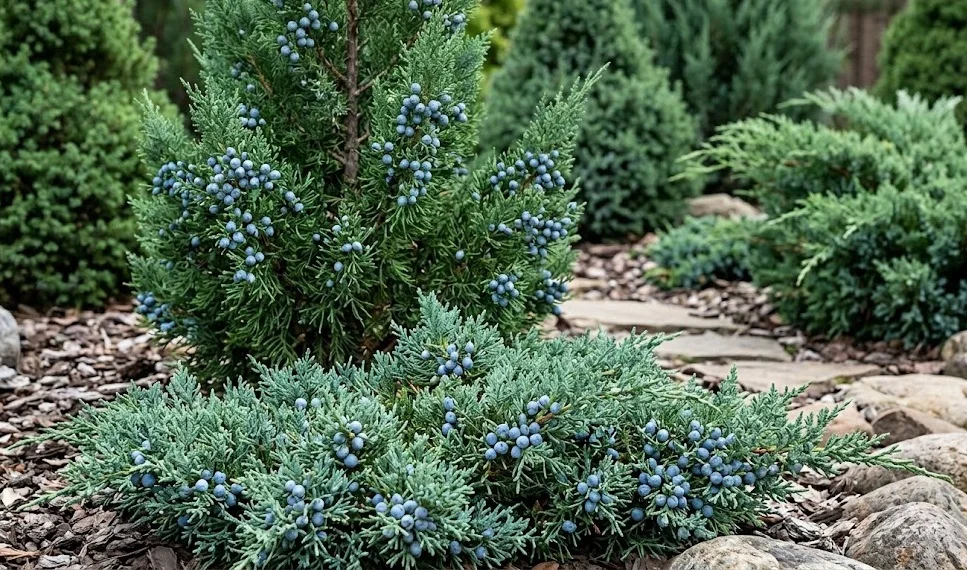
The relationship between light and needle density is one of the most visible aspects of the plant’s health. In full sun, the Chinese juniper produces compact, robust growth with needles that are closely spaced, creating the iconic “solid” look that many gardeners desire. When placed in too much shade, the plant becomes “leggy,” with long gaps between the needle clusters as it tries to stretch toward the available light. This structural weakness not only looks poor but also makes the plant more susceptible to damage from wind, snow, and various opportunistic pests.
Furthermore, light plays a critical role in the development and maintenance of the foliage color, especially for the gold and blue-toned cultivars. These specialized colors are often a result of unique pigments or wax coatings that require direct UV exposure to remain vibrant. In shaded conditions, these colors often fade to a dull, nondescript green, depriving the garden of the visual interest the variety was chosen for. For a professional-looking result, you must ensure that the “light appetite” of the specific variety is fully satisfied.
Finally, the interaction between light and moisture is a key factor in preventing fungal diseases. Sunlight helps to evaporate dew and rainwater from the dense interior of the juniper, keeping the microclimate around the needles dry and inhospitable to spores. Plants that live in the shade stay wet for much longer, creating a perfect environment for blights and rusts to take hold. By providing maximum light exposure, you are not just feeding the plant; you are also providing its most effective natural defense against disease.
Defining full sun and managing exposure
In professional terms, “full sun” for a Chinese juniper means at least six to eight hours of direct, unobstructed sunlight every single day. This exposure is best when it includes the intense midday sun, which provides the highest levels of photosynthetically active radiation. When evaluating a site, you must consider how the light changes throughout the year, as a spot that is sunny in the summer might be shaded by a building or a large deciduous tree in the winter. The goal is to provide consistent, high-quality light during the peak growing months.
More articles on this topic
If you are gardening in an area with extremely high temperatures and intense UV levels, such as the desert or high-altitude regions, the rules can shift slightly. In these extreme environments, a Chinese juniper might actually appreciate a small amount of light afternoon shade to protect it from the most punishing heat. However, this is the exception rather than the rule, and the shade should be dappled rather than deep. For most temperate climates, the more sun the plant gets, the happier and healthier it will be.
Aspect also matters, with southern and western exposures generally being the best choices for sun-loving evergreens like the juniper. An eastern exposure can also work well, provided the plant gets enough hours before the sun moves behind a structure. Northern exposures are often too dark and cool for the Chinese juniper to reach its full potential, and plants in these locations are frequently plagued by sparse growth and chronic health issues. Always position your most prized specimens where they can soak up the maximum amount of solar energy.
Reflection of light from nearby surfaces can also be a factor in urban or paved environments. While light colored walls can provide extra illumination to the shaded side of a plant, they can also increase the heat load and lead to faster drying of the soil. A professional approach involves balancing these factors to create a stable environment where the plant receives plenty of light without being cooked by radiant heat. Observing the plant’s response over the first few seasons will tell you if the light balance is correct.
The impact of shade on health and aesthetics
When a Chinese juniper is forced to grow in a shaded environment, its internal chemistry changes as it struggles to survive on limited energy. The plant will often shed its interior needles much more aggressively than a sun-grown specimen, leading to a “hollow” appearance where only the outer tips have green growth. This makes pruning much more difficult, as there is no green foliage to “cut back to” if the plant gets too large. Shade-grown junipers are essentially in a state of chronic stress, which shortens their lifespan and reduces their overall resilience.
More articles on this topic
The color of the needles is another casualty of inadequate light, as the plant prioritizes basic survival over the production of ornamental pigments. Blue varieties may lose their silvery sheen and turn a muddy green, while golden varieties will often lose their bright highlights entirely. This loss of color is a clear signal from the plant that it is not receiving the resources it needs to thrive. If you notice your colorful junipers fading, the first thing you should investigate is the light levels at different times of the day.
Pests like spider mites and certain scales are often more of a problem on shade-stressed junipers. These insects are attracted to the weaker tissue of a struggling plant, and the lack of sunlight means there is less natural heat to discourage their population growth. Additionally, the predatory insects that eat these pests are often more active in sunny, diverse environments. By planting in the shade, you are inadvertently creating a sanctuary for some of the juniper’s worst enemies.
If you have an existing juniper that has become shaded by other maturing plants, you may need to take action to save it. This could involve thinning the canopy of the overhanging trees or, in some cases, moving the juniper to a sunnier location. While transplanting an established juniper is a risky and difficult task, it is often the only way to restore its health if the shade has become too deep. Prevention is always better than cure, so choose your planting sites with the future growth of nearby plants in mind.
Photosynthetic efficiency and seasonal variations
As an evergreen, the Chinese juniper has the remarkable ability to photosynthesize whenever conditions are favorable, even in the middle of winter. As long as the needles are not frozen and the sun is shining, the plant is quietly producing energy and storing it for the upcoming spring flush. This year-round activity is why light is so important even during the “dormant” months. A juniper that gets plenty of winter sun will often be much more vigorous when the growing season finally arrives.
The angle of the sun changes significantly with the seasons, which can create unexpected shade patterns in your garden. In the winter, the sun is much lower in the sky, meaning that buildings and evergreen trees cast much longer shadows than they do in the summer. You should check your junipers during the winter to ensure they are not being plunged into total darkness for months at a time. While they don’t need as much energy in the cold, they still require some light to maintain their cellular integrity.
Environmental factors like dust, air pollution, or even a thick layer of pollen can reduce the amount of light that actually reaches the surface of the needles. In professional settings, particularly in urban areas, a quick rinse of the foliage with a hose can remove this “film” and improve the plant’s photosynthetic efficiency. This is a subtle but effective way to boost the health of your plants without using chemicals or fertilizers. Think of it as cleaning the windows so the plant can see the sun more clearly.
Ultimately, providing the right light is about respecting the evolutionary history of the Chinese juniper, which originated in open, sun-drenched landscapes. By placing it in a bright, sunny spot, you are allowing it to be the best version of itself. The reward for your attention to light levels is a plant that is dense, colorful, and naturally resistant to the many challenges of the garden environment. Sunlight is the fuel that makes the beauty of the juniper possible, and a professional gardener ensures that the tank is always full.