
The Chinese juniper stands as one of the most versatile and resilient conifers used in modern landscaping and professional horticulture today. This evergreen species is highly valued for its ability to adapt to various soil types and environmental conditions while maintaining its structural integrity throughout the seasons. Successful care begins with a deep understanding of the plant’s biological needs and the specific characteristics of the cultivar selected for the garden. By providing the right foundation, any gardener can ensure these plants thrive for decades as focal points or functional screens.
Cultivating this species requires a balance between patience and proactive management of its growing environment. While the plant is known for its hardiness, it performs best when its basic physiological requirements are met with precision. This includes ensuring that the root system has enough space to expand without being constricted by heavy clay or urban debris. Professional growers often emphasize that the first three years of growth are the most critical for establishing a long-lived specimen.
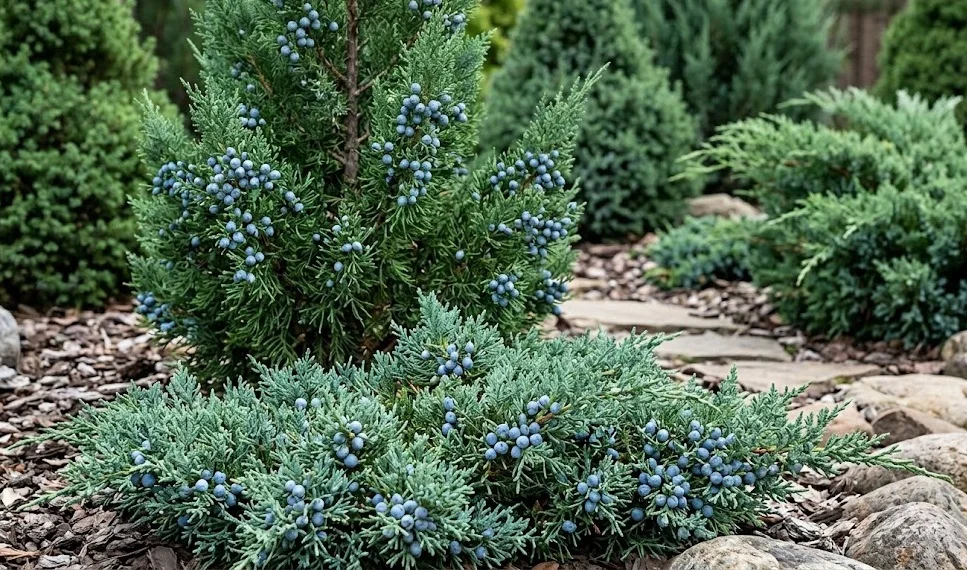
The diversity of growth forms within this species means that care routines must be tailored to the specific habit of the plant, whether it is a low-growing groundcover or an upright columnar tree. Upright varieties may need more attention regarding wind protection, while spreading types require vigilance against moisture trapped beneath their dense foliage. Understanding these nuances allows for a more personalized approach to maintenance that yields healthier results. Seasonal adjustments in care are also necessary to account for the changing metabolic rates of the plant during the year.
Long-term health is often dictated by the consistency of the maintenance schedule rather than occasional intensive efforts. Regular observation is the best tool in a gardener’s arsenal, as it allows for the early detection of subtle changes in needle color or growth patterns. By staying attuned to the plant’s signals, you can adjust your care techniques before minor issues become significant problems. This proactive mindset transforms gardening from a series of chores into a rewarding partnership with nature.
Optimal site selection and environmental factors
Selecting the perfect location is the most important decision when introducing a Chinese juniper to a landscape design. These plants are sun-loving organisms that require maximum exposure to UV rays to maintain their dense foliage and vibrant color. Placing them in areas with inadequate light often leads to leggy growth and increased susceptibility to fungal infections. You should observe your garden throughout the day to identify the spots that receive at least six to eight hours of direct sunlight.
More articles on this topic
Soil quality and drainage characteristics are equally vital components of a successful planting site. The Chinese juniper prefers well-drained, slightly acidic to neutral soil, although it can tolerate a wide range of pH levels if the structure is correct. Heavy, waterlogged soils are the primary enemy of this species, as they can quickly lead to root rot and systemic decline. If your garden has heavy clay, consider planting on a slight mound or incorporating organic matter to improve the internal drainage.
Air circulation is an often overlooked factor that significantly impacts the health of the foliage. Dense planting or placement in stagnant corners can create a microclimate where humidity remains high for too long. Good airflow helps the needles dry quickly after rain or dew, which is a natural defense against many common blight diseases. When planning the layout, ensure there is sufficient gap between the juniper and other structures or plants to allow the wind to move freely.
Urban environments present unique challenges, such as radiant heat from pavement and exposure to various pollutants. Fortunately, the Chinese juniper is remarkably tolerant of city conditions and can even handle some salt spray near coastal areas or roads. However, in extremely hot urban pockets, providing a layer of mulch can help regulate soil temperature and protect the shallow roots from excessive heat. Choosing a site that minimizes extreme environmental stress will lead to a much more resilient and attractive plant.
Understanding growth habits and variety selection
The architectural diversity of this species is truly remarkable, ranging from prostrate forms that hug the ground to majestic trees that reach toward the sky. Before purchasing a specimen, it is essential to research the mature height and spread of the specific cultivar to avoid future overcrowding. Some varieties grow rapidly and can quickly outgrow a small garden space if not chosen carefully. Knowing the genetic potential of your plant helps in planning the surrounding landscape elements.
More articles on this topic
Groundcover varieties are excellent for stabilizing slopes and providing a lush, green carpet in areas where grass might struggle to grow. These types require careful spacing to ensure they fill in the gaps without competing too aggressively for local nutrients. On the other hand, upright or pyramidal forms are often used as formal hedges or striking individual accents in a garden bed. Each growth habit dictates a different approach to how you will interact with and maintain the plant over time.
Foliage texture and color also vary significantly between cultivars, with options ranging from deep emerald green to bright gold or silvery blue. Some needles are sharp and awl-like, while others are soft and scale-like, which affects the tactile experience of the garden. Color transitions in the winter can also be a factor, as some varieties take on a bronze or purple hue during the coldest months. Selecting a variety that complements your existing color palette will create a more cohesive and professional look.
When selecting a plant at the nursery, look for specimens with a strong, central leader and vibrant, consistent color throughout the canopy. Avoid plants that show signs of girdling roots or those that have significant browning in the interior sections. A healthy start in the nursery often translates to a much easier establishment period once the juniper is moved to its permanent home. Taking the time to select a high-quality specimen is an investment that pays off in the long run.
Managing the root zone and soil health
The root system of the Chinese juniper is primarily fibrous and tends to stay relatively close to the soil surface. This makes it particularly sensitive to soil compaction and physical disturbances within the drip line of the plant. Avoiding heavy foot traffic or the use of heavy machinery near the base of the plant is crucial for maintaining soil porosity. When the soil becomes compacted, oxygen cannot reach the roots, which effectively suffocates the plant and stunts its growth.
Applying a high-quality organic mulch is one of the most beneficial things you can do for the root zone. A layer of wood chips or bark, about two to three inches deep, helps to retain moisture, suppress weed competition, and moderate soil temperature. As the mulch breaks down over time, it adds valuable organic matter back into the soil, improving the overall structure. Be careful not to pile the mulch against the trunk, as this can trap moisture and encourage bark rot or pest infestations.
Soil testing is a professional practice that provides a clear picture of the nutrient levels and pH balance in your garden. This data allows you to make informed decisions about soil amendments rather than guessing what the plant might need. Most junipers thrive in a soil that is rich in microbial life, which helps to break down minerals into forms the plant can absorb. If your soil is particularly poor, adding a slow-release compost can boost the biological activity without shocking the plant with concentrated chemicals.
Long-term soil health also depends on maintaining the correct moisture balance, which varies depending on the age of the plant. Established junipers are remarkably drought-tolerant, but they still require occasional deep watering during extended dry spells. The goal is to encourage the roots to grow deeper into the soil profile where they are better protected from surface fluctuations. By managing the soil environment carefully, you create a stable foundation that supports the plant through all types of weather.
Monitoring seasonal changes and responses
As the seasons transition, the Chinese juniper undergoes various physiological shifts that require different levels of attention. In the spring, the plant enters a period of active growth where new, soft shoots emerge at the tips of the branches. This is the time when the plant’s demand for water and nutrients is at its peak, and monitoring is essential. Observing the color and vigor of this new growth can give you early clues about the plant’s overall health and vitality.
During the height of summer, the primary goal of care is to manage heat stress and prevent dehydration. While the needles are designed to minimize water loss, extreme temperatures can still take a toll on the plant’s energy reserves. Providing supplemental water during the evening or early morning can help the plant recover from the daytime heat. It is also important to avoid heavy pruning or transplanting during these periods of high thermal stress to prevent unnecessary strain.
The arrival of autumn signals a slowing of metabolic processes as the juniper prepares for the dormant winter months. This is an excellent time to conduct a final inspection for pests or diseases that might try to overwinter in the dense foliage. Clearing away any fallen debris or leaf litter from the base of the plant helps to reduce the risk of fungal spores lingering until spring. You should also ensure the plant is well-hydrated before the ground freezes, as evergreen needles continue to lose moisture even in winter.
Winter care is mostly about protection from physical damage rather than active maintenance tasks. Heavy snow or ice can weigh down branches, potentially leading to breakage or permanent deformation of the plant’s shape. Gently brushing away heavy snow with a soft broom can prevent these issues without damaging the delicate needles. By understanding these seasonal rhythms, you can provide the specific support the Chinese juniper needs at every stage of the year.
Aesthetic integration and landscape design
Integrating Chinese junipers into a landscape requires an eye for both form and function to create a balanced visual environment. These plants are often used to provide year-round structure, acting as a green backdrop for seasonal flowers or perennials. Their fine-textured foliage offers a beautiful contrast to plants with large, bold leaves or architectural features like stone walls. When used as a hedge, they provide a dense, living screen that offers privacy and reduces noise pollution.
Grouping different varieties of juniper can create a sophisticated tapestry of colors and textures that remains interesting even in the dead of winter. For example, pairing a low-growing blue variety with an upright golden type creates a dynamic focal point that draws the eye. It is important to consider the ultimate scale of these groupings to ensure that no single plant eventually dominates and crowds out its neighbors. Strategic spacing during the design phase is the key to a harmonious and sustainable landscape.
Beyond their beauty, junipers serve practical roles such as erosion control and habitat provision for local wildlife. Birds often use the dense branches for nesting and find shelter within the foliage during harsh weather conditions. The berries, though technically cones, provide a food source for various bird species, adding a layer of ecological value to your garden. Designing with these benefits in mind allows you to create a space that is as functional as it is aesthetically pleasing.
Professional designers also use the Chinese juniper to define garden rooms or to guide movement through a space. An allee of upright junipers can create a formal and inviting entrance, while a single, well-placed specimen can serve as a majestic anchor in a corner bed. The versatility of this species makes it a favorite for both traditional and contemporary garden styles. By thinking about how the plant interacts with light, shadow, and space, you can elevate the overall impact of your horticultural efforts.
Long-term maintenance and plant longevity
Ensuring the longevity of a Chinese juniper involves a commitment to consistent, low-impact maintenance over the course of many years. As the plant ages, it may develop a more open structure or show signs of dieback in the shaded interior. This is a natural part of the plant’s life cycle, but it can be managed through careful thinning and removal of dead wood. Maintaining clarity in the interior of the plant improves light penetration and air movement, which keeps the remaining foliage healthy.
Periodic assessments of the trunk and main structural branches are necessary to check for any signs of mechanical damage or bark issues. Any wounds should be allowed to heal naturally, as the plant produces its own protective resins to seal off damaged areas. Avoiding the use of wound paints or sealants is generally recommended by modern arborists, as these can actually trap moisture and pathogens. A healthy, vigorous plant is usually quite capable of managing minor injuries on its own.
As the garden matures, the environment around the juniper may change, such as larger trees casting more shade or new construction altering drainage patterns. It is important to periodically re-evaluate the site conditions and make adjustments if the plant begins to show signs of decline. Sometimes, simply thinning out nearby overhanging branches can provide the extra light needed to rejuvenate a struggling juniper. Being flexible and responsive to the evolving landscape is a hallmark of a master gardener.
Ultimately, the Chinese juniper is a plant that rewards the gardener with steadfast beauty and minimal fuss when treated with respect. Its ability to withstand the test of time makes it a living legacy in any landscape, providing green continuity for generations. By following these expert care guidelines, you ensure that your specimens remain vibrant, healthy, and structurally sound. The joy of gardening often comes from these long-term relationships with plants that grow and change alongside us.