
Understanding the light requirements of a Chinese chastetree is fundamental to achieving the best possible growth and flowering performance in your garden. This species is naturally adapted to open, sun-drenched environments, and its physiological processes are heavily dependent on high levels of solar radiation. You must carefully evaluate the light patterns on your property to ensure that the shrub is placed where it can thrive rather than just survive. A professional-grade understanding of light dynamics will allow you to maximize the ornamental value of this beautiful plant.
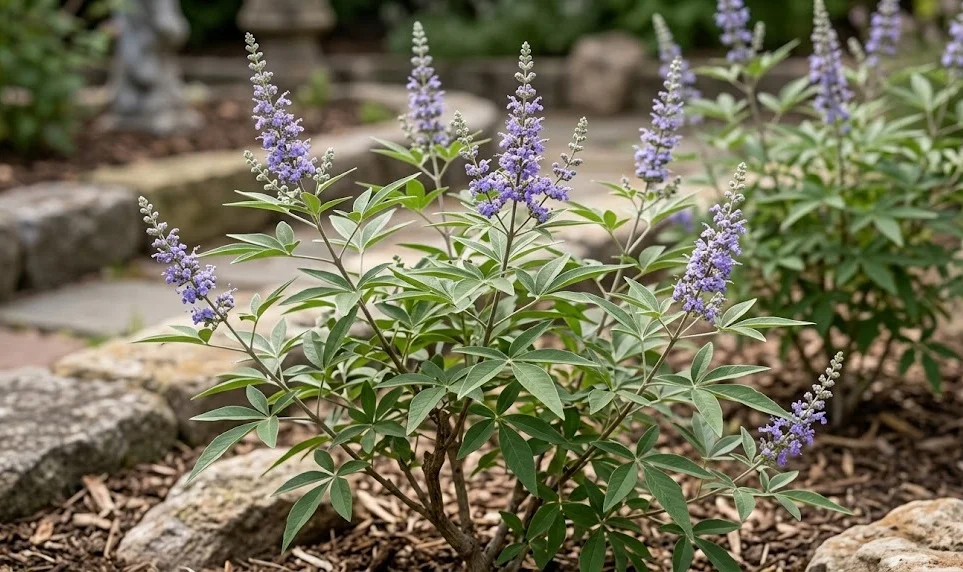
The primary rule for success with this shrub is to provide it with as much direct sunlight as possible throughout the day. Ideally, the plant should receive at least six to eight hours of full sun to develop the strong stems and abundant flowers it is known for. Sunlight drives the production of the carbohydrates the plant needs for energy, as well as the chemical triggers for blooming. Without sufficient light, you will find that the Chinese chastetree becomes leggy, sparse, and fails to produce its signature lavender-colored spikes.
In addition to the intensity of the light, the quality and duration of the sun exposure also play a role in the plant’s overall health. Morning sun is particularly beneficial as it helps to dry any dew or moisture on the leaves, reducing the risk of fungal infections. Afternoon sun is usually the most intense and provides the heat that the plant craves during the peak of the growing season. By choosing a site with unrestricted light from the south or west, you are giving your shrub the best possible environment for success.
While the plant is sun-loving, it is also important to consider how the light interacts with the surrounding landscape features. Tall trees, buildings, or fences can cast long shadows that significantly reduce the available light at certain times of the year. You should observe your potential planting site during different seasons to ensure that it doesn’t become too shaded when the sun is lower in the sky. A professional approach to site selection involves this kind of long-term observation and planning to ensure the plant’s needs are met year-round.
Optimal sun exposure for flowering and growth
Maximum flower production is the most sought-after quality of the Chinese chastetree, and it is directly correlated with the amount of sun it receives. The long, elegant flowering spikes are produced on the tips of the new growth, which requires a significant amount of energy to develop. You will notice that plants in full sun produce much denser clusters of blooms that stay vibrant for a longer period. Providing optimal light is the most effective “fertilizer” you can offer for a spectacular floral display.
More articles on this topic
The growth habit of the shrub is also significantly influenced by the available light, with sun-grown specimens displaying a more compact and sturdy form. In high-light conditions, the internodes (the space between leaves on a stem) remain short, leading to a lush and full appearance. You should aim for this professional look by avoiding any sites that are tucked away in dark corners or under heavy canopies. A strong, well-lit structure is also more resistant to being flattened by heavy rain or strong summer winds.
Photosynthesis is the engine of the plant, and light is the fuel that keeps it running at peak efficiency. When a Chinese chastetree is getting the light it needs, its leaves will be a deep, healthy green and it will show a strong resistance to minor stressors. You can think of sunlight as the foundation of the plant’s immune system, providing the energy required for all its natural defense mechanisms. Investing in a sunny location is the first step toward a low-maintenance and high-performance garden centerpiece.
If you are planting multiple shrubs, you must also consider the light competition between them as they grow and expand. You should space the plants far enough apart that they do not shade each other’s lower branches, which could lead to dieback in the center of the planting. A professional landscape design accounts for the ultimate size of the plants to ensure that everyone gets their fair share of the sun. Proper spacing is a critical component of light management that ensures every part of the shrub remains productive and healthy.
Managing plants in partial shade and suboptimal light
Sometimes, the ideal sunny spot isn’t available, and you may find yourself wondering if the Chinese chastetree can handle a bit of shade. While the plant is quite tough and will survive in partial shade, you should expect some trade-offs in its appearance and performance. You will likely see fewer flowers, and the growth will become more open and “stretchy” as the plant reaches for more light. Understanding these limitations allows you to set realistic expectations for a shrub planted in a suboptimal location.
More articles on this topic
In shaded conditions, the risk of disease increases because the leaves take longer to dry after rain or irrigation. You must be even more diligent about pruning to improve airflow if your shrub is not in the full sun. It is also a good idea to avoid any excess nitrogen fertilizer in shaded spots, as this can exacerbate the “leggy” growth habit that occurs in low light. A professional gardener adjusts their care routine to compensate for the specific challenges of a less-than-perfect site.
If you have a specimen that is clearly struggling due to lack of light, you might consider “skirting up” nearby trees to allow more sun to reach the ground. Removing a few lower branches from an overhanging canopy can significantly increase the light levels for the shrubs below without removing the larger trees entirely. This kind of selective light management is a great way to improve the health of your understory plants. It’s often easier to change the environment than it is to move an established Chinese chastetree.
For very shaded gardens, it may be worth considering a different species that is more naturally adapted to low-light environments. While we all have our favorite plants, professional gardening is about matching the right plant to the right place for the best long-term results. If you do choose to keep a Chinese chastetree in the shade, appreciate its foliage and fine-textured stems as its primary contribution. Every plant has something to offer, even when it isn’t performing at its absolute peak.
Light and heat interaction in microclimates
Light is often inseparable from heat, and the Chinese chastetree loves both in equal measure during the growing season. In many regions, the warmest part of the garden is also the sunniest, creating a microclimate that mimics the plant’s native habitat. You should look for areas that trap heat, such as near stone walls or paved surfaces, which can act as a “thermal battery” that stays warm into the evening. This extra warmth can help the plant grow faster and extend its blooming period in the late summer.
However, you should also be aware of the potential for excessive heat stress in very confined, sun-baked locations. While the shrub is drought-tolerant, the combination of intense reflected light and high temperatures can lead to leaf scorch if the soil is bone dry. You should ensure that your sunniest spots also have a good layer of mulch to keep the root zone cool and moist. Balancing the need for light with the need for moisture is the hallmark of a professional approach to garden maintenance.
The color of the surrounding surfaces can also influence the amount of light the plant receives through reflection. Light-colored walls or fences can bounce extra solar energy onto the shrub, which is helpful in cooler climates or slightly shaded spots. Conversely, dark surfaces will absorb the heat, raising the temperature of the immediate area without significantly increasing the light. You can use these principles of physics to fine-tune the environment for your Chinese chastetree and achieve the best possible results.
Observing how the light changes throughout the year will help you understand the full potential of your planting site. A spot that is in full sun in mid-summer might be in deep shade by late autumn as the sun’s path shifts and the shadows of buildings grow longer. Since the Chinese chastetree is deciduous and goes dormant in the winter, the lack of late-season sun is usually not a problem. Focus your attention on the conditions during the peak months of May through September for the biggest impact on your plant’s success.