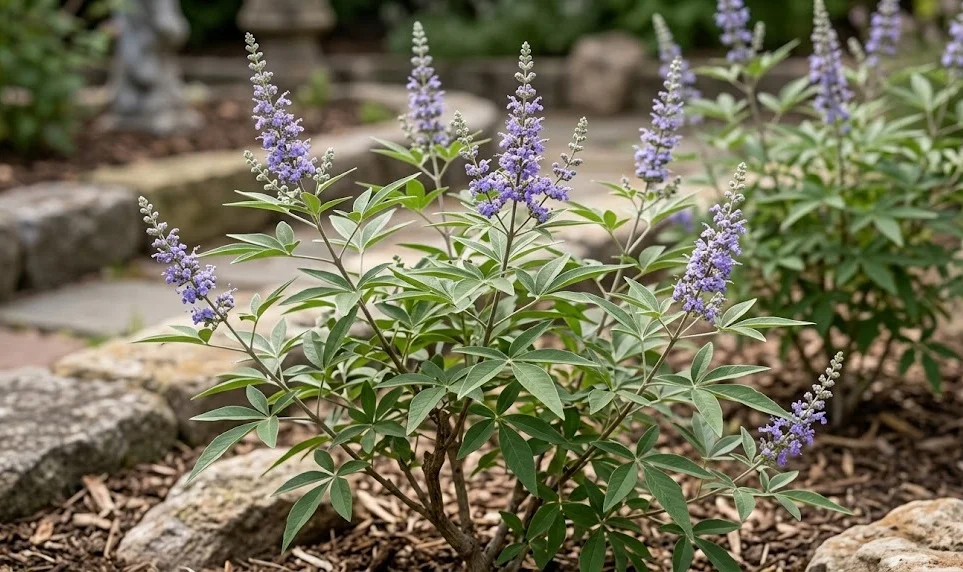

Preparing the Chinese chastetree for the winter months is a critical task for gardeners in regions where temperatures drop significantly. While this shrub is relatively hardy, its survival and spring vigor depend on how well it is protected from the harshest elements of the season. You must take a proactive approach to winter preparation, ensuring that the plant has the resources and physical protection it needs to endure the cold. By following professional overwintering techniques, you minimize the risk of winter kill and ensure a spectacular return to growth in the coming year.
The process of overwintering begins long before the first frost, as you must allow the plant to naturally transition into its dormant state. You should stop any heavy fertilization and reduce watering in the late summer to signal to the shrub that the growing season is coming to an end. This encourages the wood to harden and the sap to move toward the roots, where it is better protected from freezing temperatures. Neglecting this preparatory phase can leave the plant with tender, unripened growth that is highly susceptible to frost damage.
Understanding your specific hardiness zone is essential for determining the level of protection your Chinese chastetree will require. In milder climates, the plant may need very little intervention, while in colder areas, more intensive measures are necessary to safeguard the root system and main stems. You should research the typical winter extremes for your location and plan your strategy accordingly to avoid any unpleasant surprises. A professional gardener is always prepared for the worst-case scenario while hoping for a mild season.
Once the plant has dropped its leaves and entered true dormancy, you can begin the physical tasks of winter protection. This often involves mulching, wind protection, and occasionally wrapping the plant in breathable materials to prevent desiccation. Monitoring the plant throughout the winter will help you identify any issues that arise, such as mechanical damage from snow or ice. With the right care, the Chinese chastetree will survive the winter in excellent condition, ready to flourish as soon as the ground warms up.
Hardiness and cold tolerance levels
The Chinese chastetree is generally rated for USDA hardiness zones 6 through 9, meaning it can tolerate temperatures down to about -10 degrees Fahrenheit. However, its actual performance can vary based on factors like soil moisture, wind exposure, and the duration of the cold spell. You should be aware that young plants and those in containers are significantly more vulnerable to cold than established, ground-planted specimens. Knowing these limits allows you to make informed decisions about where to plant and how much protection to provide.
More articles on this topic
In the colder end of its range, the shrub may behave more like a die-back perennial, where the top growth is killed by frost but the roots remain alive. If this happens, you shouldn’t worry, as the plant is a vigorous grower and will often push out new stems from the base in the spring. You can manage this by treating the plant as a smaller shrub and focusing your protection efforts on the root zone and the crown. This adaptability is one of the reasons the species is so popular across such a wide geographic area.
Microclimates within your garden can also influence how much cold the plant experiences during a typical winter night. Planting near a south-facing wall or in a spot protected by a evergreen hedge can provide a few extra degrees of warmth that make a big difference. You should observe where frost lingers longest in your garden to identify the coldest spots that might be less suitable for this shrub. Utilizing these natural variations is a professional way to push the boundaries of what you can grow in your landscape.
Root hardiness is often greater than stem hardiness, which is why protecting the soil surface is so important for overwintering success. Even if the visible part of the plant is damaged, a healthy root system can regenerate the entire shrub in a single growing season. You must ensure that the roots are not subjected to rapid freeze-thaw cycles, which can be more damaging than a steady, deep cold. A stable underground environment is the key to a resilient and long-lived Chinese chastetree.
Preparing the plant for the first frost
As autumn progresses, you should monitor the local weather forecasts closely to anticipate the arrival of the first significant frost. You can give the plant one final deep watering a few weeks before the ground freezes to ensure it enters dormancy fully hydrated. Dry roots are far more susceptible to cold damage than those in moist, well-prepared soil. This “winter watering” is a simple but highly effective step that many gardeners overlook in their end-of-season rush.
More articles on this topic
Cleaning up the area around the base of the shrub is also an important part of the preparation process. You should remove any fallen leaves that show signs of disease and pull any late-season weeds that might compete for moisture. This reduces the risk of pathogens overwintering near the plant and ensures that your protective mulch will sit directly on the soil surface. A clean site is easier to manage and allows you to apply winter protection more efficiently and effectively.
If you have a particularly prized specimen or a very young plant, you might consider installing a temporary windbreak for the winter. This can be as simple as a few stakes and some burlap or a more permanent structure if the site is exceptionally exposed. Wind can strip moisture from the stems and evergreen foliage, leading to a condition known as winter desiccation. By reducing the wind’s impact, you help the plant maintain its internal moisture levels and emerge in better condition.
Avoid any pruning at this stage, as cutting into the wood can stimulate the plant to try and heal, which is difficult during dormancy. You should also leave any slightly damaged or “untidy” branches until the spring, as they can actually provide a small amount of extra protection for the inner parts of the shrub. The goal is to let the plant rest completely and focus its energy on survival rather than growth. Patience during the autumn months is a professional virtue that leads to a healthier garden in the spring.
Mulching and root protection techniques
The application of a thick layer of organic mulch is the single most important action you can take to protect your Chinese chastetree over the winter. You should aim for a layer that is four to six inches deep, spreading it out to at least the drip line of the shrub’s canopy. This mulch acts as an insulating blanket, keeping the soil temperature more consistent and preventing the roots from freezing and thawing repeatedly. Good options for winter mulch include wood chips, shredded bark, or even a thick layer of pine needles.
It is important to keep the mulch a few inches away from the actual trunk of the shrub to prevent moisture from sitting against the bark. This “doughnut” shape allows for air circulation around the base and reduces the risk of rot or rodent damage during the winter. Mice and voles often seek shelter in thick mulch and may gnaw on the bark if it is easily accessible to them. By being precise with your mulch application, you get all the benefits of insulation without the associated risks.
In exceptionally cold regions, some gardeners go a step further and “mound” the base of the plant with extra soil or compost for the winter. This provides an additional layer of thermal protection for the crown, which is the most sensitive part of the plant’s structure. You should do this after the first few hard frosts have occurred and the plant is fully dormant. In the spring, you can simply spread the mound out to act as a soil amendment for the coming growing season.
If your Chinese chastetree is growing in a container, the root system is much more exposed to the cold than it would be in the ground. You should consider moving the pot to a protected area, like an unheated garage or a shed, or burying the entire pot in the ground for the winter. Wrapping the container in bubble wrap or burlap can also help provide a layer of insulation to keep the roots from freezing solid. Professional container gardening requires this extra level of attention to ensure long-term success with woody shrubs.
Post-winter recovery and assessment
Once the danger of hard frost has passed and the ground begins to thaw, it is time to assess how your Chinese chastetree has fared. You should look for signs of life, such as swelling buds or green tissue under the bark when gently scratched with a fingernail. Don’t be discouraged if the plant is slow to wake up, as this species often waits for truly warm weather before starting its spring growth. A professional gardener knows that patience is key when evaluating winter damage in deciduous shrubs.
If you notice any dead or damaged wood, you can prune it back to healthy, green tissue once the plant has begun to push out new growth. This “cleaning up” helps the plant focus its energy on productive branches and improves the overall appearance of the shrub. You should also take this opportunity to pull back some of the thick winter mulch to allow the soil to warm up more quickly. Refreshing the area with a light application of compost will provide the nutrients needed for the upcoming flush of growth.
Monitoring the moisture levels in the soil as the plant wakes up is just as important as it was during the autumn. The early spring can often be windy and dry, and the new, tender growth needs a steady supply of water to develop properly. You should provide supplemental irrigation if the spring rains are insufficient to keep the root zone moist. This supportive care helps the Chinese chastetree transition smoothly from dormancy to active growth, ensuring a strong start to the season.
Finally, take a moment to reflect on your overwintering strategy and note what worked well and what could be improved for next year. Every winter is different, and being an expert gardener means constantly adapting your techniques based on your experiences. If the plant suffered more damage than expected, consider adding more wind protection or a thicker mulch layer in the future. By learning from each season, you ensure that your Chinese chastetree remains a resilient and beautiful part of your garden for many years to come.