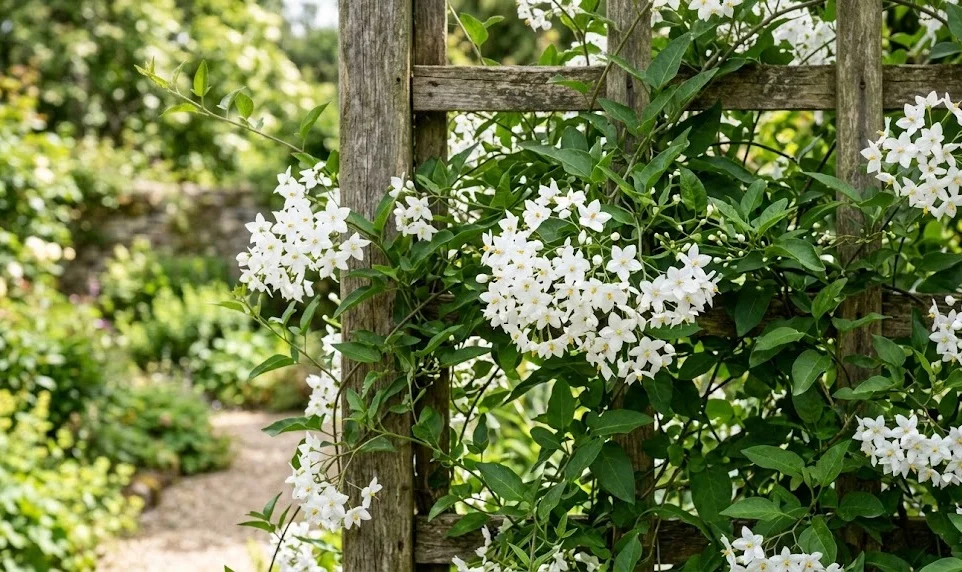

Maintaining a healthy jasmine nightshade requires more than just water and fertilizer; it also involves protecting the plant from various biological threats. Like many members of the Solanaceae family, this vine can be attractive to a range of pests and susceptible to certain fungal issues. Identifying these problems early is the hallmark of a professional gardener and can save your plant from significant damage. In this comprehensive guide, we will explore how to recognize, prevent, and treat the most common enemies of this beautiful climber.
Prevention is always the most effective strategy when it comes to plant health and disease management. By keeping your vine in top physical condition through proper care, you make it much less attractive to opportunistic pests. A stressed plant releases chemical signals that insects can detect from a distance, inviting them to feast on its weakened tissues. Professional gardeners know that a strong immune system is the first line of defense in any integrated pest management plan.
Monitoring your plant regularly is a simple habit that yields massive benefits for the longevity of your garden. You should make it a point to check the undersides of leaves and the growing tips where pests like to hide and feed. Catching a small colony of aphids before they explode into a full-scale infestation makes treatment much simpler and more environmentally friendly. Being observant allows you to intervene with the least invasive methods possible, preserving the natural balance of your backyard.
In this article, we will delve into the specific insects that love the jasmine nightshade and the fungal diseases that can mar its beauty. We will also discuss organic and professional chemical options for dealing with these issues when they do arise. Armed with this knowledge, you will be able to keep your climber looking its best throughout the entire growing season. Let us begin by looking at the most common insect pests you are likely to encounter.
Common insect pests and their management
Aphids are perhaps the most frequent visitors to the jasmine nightshade, often clustering on the tender new growth in the spring. These tiny, sap-sucking insects can cause the leaves to curl and become distorted if their numbers are not kept in check. They also secrete a sticky substance called honeydew, which can lead to the growth of unsightly sooty mold on the foliage. A strong blast of water from a garden hose is often enough to dislodge them and disrupt their lifecycle.
More articles on this topic
Spider mites are another common threat, especially during hot, dry periods when the plant might be slightly stressed for water. You might notice fine webbing between the leaves and a characteristic stippling or “dusty” appearance on the foliage. Because they are so small, they often go unnoticed until the damage is quite extensive and the leaves start to turn yellow and drop. Increasing the humidity around the plant and using neem oil can be very effective ways to control these tiny arachnids.
Whiteflies can sometimes become a problem, appearing as small white “clouds” when the foliage is disturbed or moved. Like aphids, they suck the life out of the plant and produce honeydew, further weakening the vine’s overall health. You can use yellow sticky traps to monitor their presence and help reduce the adult population in the immediate area. For more serious cases, insecticidal soaps are a professional choice that targets the pests without leaving harmful residues.
Scale insects are less mobile but can be just as damaging, appearing as small, hard bumps on the stems and leaf veins. They hide under a protective shell, making them resistant to many contact sprays and difficult to eliminate. You can often remove small numbers by hand using a soft brush or a cotton swab dipped in rubbing alcohol. If the infestation is widespread, a horticultural oil spray can suffocate the insects by coating their shells and cutting off their air supply.
Fungal diseases and environmental stress
Powdery mildew is a common fungal issue that presents as a white, flour-like coating on the leaves and stems of the vine. It thrives in conditions where there is high humidity but stagnant air, which is why proper spacing is so important. While it rarely kills the plant, it can significantly reduce its aesthetic appeal and weaken its ability to photosynthesize. Improving airflow and using a simple baking soda spray or a professional fungicide can keep it under control.
More articles on this topic
Leaf spot diseases can manifest as brown or black circular lesions on the foliage, often surrounded by a yellow halo. These are usually caused by fungal spores that splash onto the leaves during heavy rains or overhead watering sessions. Removing the affected leaves and ensuring the plant stays dry during watering can help prevent the spread of the infection. In professional settings, preventative copper-based sprays are sometimes used if the weather is predicted to be particularly wet and humid.
Root rot is a silent killer that usually results from poor drainage or overwatering, rather than a primary pathogen. The first signs are often a general wilting of the plant that does not improve even after you provide it with more water. By the time you see symptoms above ground, the root system may already be severely compromised and darkened. The only real cure is to fix the drainage issues immediately and hope the plant has enough healthy tissue left to recover.
Environmental stress can sometimes mimic the symptoms of disease, leading to unnecessary chemical treatments by inexperienced gardeners. For example, leaf scorch caused by sudden intense sun can look like a fungal infection to the untrained eye. Similarly, salt buildup from hard water or over-fertilization can cause brown tips that look like a nutrient deficiency. A professional diagnosis always considers the entire history of the plant and its environment before deciding on a course of action.
Biological control and organic solutions
Encouraging natural predators into your garden is one of the most effective and sustainable ways to manage pests like aphids. Ladybugs, lacewings, and hoverflies are all voracious eaters of the insects that plague the jasmine nightshade. You can attract these beneficial bugs by planting a variety of flowers nearby that provide them with pollen and nectar. A garden that is in balance will often regulate its own pest populations without any need for human intervention.
Neem oil is a staple in the organic gardener’s toolkit, offering a broad-spectrum solution for many different pests and fungi. It works by disrupting the hormonal systems of insects and preventing them from feeding or reproducing effectively. It is relatively safe for beneficial insects as long as it is not sprayed directly onto them while they are active. Using it as a preventative spray every few weeks can keep many problems from ever taking hold on your climber.
Insecticidal soaps are another excellent organic option for dealing with soft-bodied pests like whiteflies and mites. These soaps work by breaking down the outer membranes of the insects, causing them to dehydrate and die quickly. They are most effective when applied directly to the pests, so thorough coverage of the plant is absolutely essential for success. Always test a small area first to ensure your specific plant is not sensitive to the soap solution you are using.
Homemade remedies, such as garlic or chili sprays, can act as powerful deterrents for many leaf-eating insects. While they may not kill the pests outright, they make the foliage taste unpleasant and encourage the bugs to move elsewhere. These solutions need to be reapplied frequently, especially after rain, but they are completely non-toxic and very affordable to produce. Professional organic growers often use these as part of a larger, multi-layered strategy for plant protection.
Professional chemical interventions
When an infestation or disease becomes too severe for organic methods, professional chemical treatments may be necessary to save the plant. Systemic insecticides are absorbed by the plant’s tissues, making the entire vine toxic to any insect that tries to feed on it. This provides long-lasting protection but should be used with extreme caution to avoid harming non-target species like bees. It is a “heavy hitter” that should only be deployed when other options have failed and the plant’s life is at stake.
Fungicides containing active ingredients like myclobutanil or tebuconazole are very effective at stopping the spread of persistent fungal infections. These chemicals work by inhibiting the growth of fungal cells, allowing the plant to recover and produce healthy new growth. You should always follow the label instructions exactly, as over-application can lead to chemical resistance in the fungal population. Professional application ensures that the right amount is used at the right time for maximum efficacy.
Horticultural oils, including dormant oils used in the winter, are excellent for cleaning up overwintering pests and their eggs. These oils are more refined than they used to be, making them safer to use on a wider variety of plants without causing leaf damage. They work physically by smothering the insects, so there is no risk of the pests developing chemical resistance over time. A professional “spring clean” with these oils can give your jasmine nightshade a fresh, pest-free start to the season.
Always remember that chemicals are a tool, not a crutch, and they should be used as part of an integrated approach to garden health. Wearing the correct protective gear and spraying during calm, cool weather are basic safety requirements for any professional application. Consider the impact on your local ecosystem and choose the most targeted product possible for the specific problem you are facing. A responsible gardener understands that their actions have consequences far beyond the boundaries of their own backyard.
Developing a long term health plan
The best way to deal with pests and diseases is to create a garden environment where the plant can thrive and resist them naturally. This means paying attention to all the factors we have discussed, from soil health and watering to airflow and light. A plant that is consistently well-cared for will have a thicker cuticle on its leaves, making it harder for insects to penetrate. Long-term health is the result of many small, correct decisions made over the course of several seasons.
Keep a close eye on the weather forecast and be prepared to take action if conditions become favorable for specific problems. For example, if a long period of warm, humid weather is predicted, you might want to apply a preventative organic fungicide. Being one step ahead of the pathogens is much easier than trying to stop an infection that has already taken hold. This proactive mindset is what defines the professional level of gardening expertise.
Regularly cleaning up fallen leaves and debris from around the base of the plant is a simple but vital hygiene practice. Many pests and fungal spores overwinter in the leaf litter, waiting for the warmth of spring to re-emerge and attack your plant. By maintaining a clean growing area, you significantly reduce the “inoculum” available to start new infections in the following year. Garden sanitation is a cornerstone of professional plant management that should never be overlooked.
Finally, do not be afraid to seek advice from local experts or agricultural extensions if you encounter a problem you cannot identify. Gardening is a lifelong learning process, and even the most experienced professionals occasionally face new and challenging issues. Sharing knowledge and staying curious will help you become a better steward of your jasmine nightshade and your entire garden. Success is not just about having a perfect plant; it is about the journey of learning how to care for it.