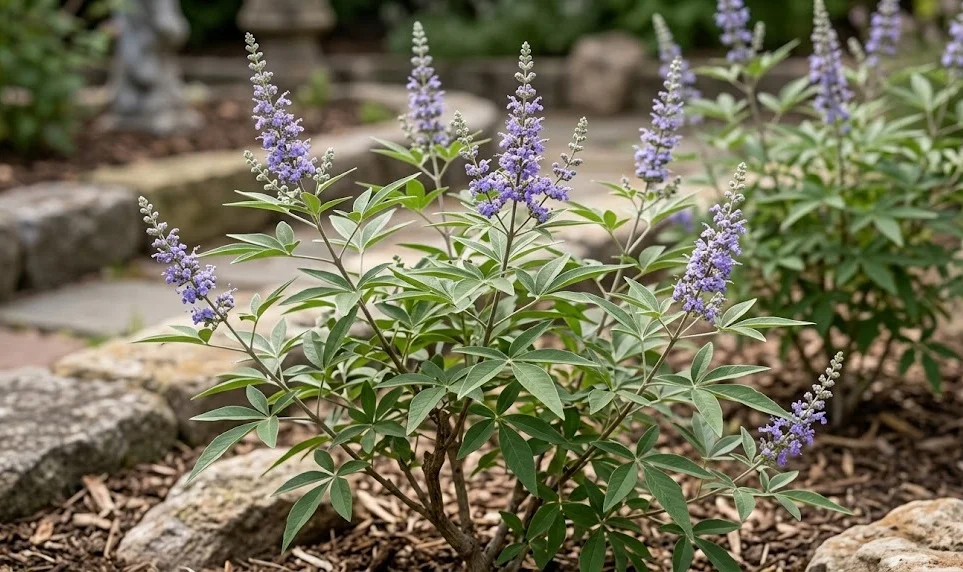

Mastering the art of pruning is essential for anyone who wants to maintain a Chinese chastetree as a professional-grade landscape feature. This shrub is a vigorous grower that responds remarkably well to the shears, allowing you to control its size, shape, and flowering potential. You must learn the proper techniques and timing to ensure that your pruning efforts support the plant’s health rather than causing unnecessary stress. By taking a deliberate and skilled approach to cutting back your shrub, you ensure it remains a tidy and productive part of your garden for years to come.
The primary reason to prune a Chinese chastetree is to encourage the growth of new wood, which is where the flowers are produced. Because the plant blooms on the current season’s growth, you can be quite aggressive with your pruning without risking the loss of flowers for the year. In fact, many professionals find that a significant annual cut-back results in larger and more vibrant flowering spikes in the summer. You should aim to remove any old, unproductive wood to make room for the fresh, vigorous stems that will carry the season’s beauty.
Pruning also allows you to manage the overall structure of the plant and prevent it from becoming a disorganized tangle of branches. You should focus on removing any wood that is dead, damaged, or showing signs of disease to keep the plant’s energy focused on healthy tissues. Thinning out the center of the shrub is also a key task that improves light penetration and air circulation throughout the canopy. A well-pruned Chinese chastetree has a clean, intentional look that demonstrates a high level of horticultural skill.
Timing is everything when it comes to cutting back this particular species, and you must coordinate your efforts with its natural growth cycle. The best time to prune is in the late winter or very early spring, just before the new growth begins to emerge. This allows you to see the structure of the plant clearly while it is dormant and ensures that the wounds heal quickly as the sap begins to flow. Avoid pruning in the late summer or autumn, as this can stimulate new growth that is too tender to survive the upcoming winter frost.
Objectives of structural and maintenance pruning
When you first approach your Chinese chastetree with pruning shears, you should have a clear goal in mind for what you want to achieve. Structural pruning is done to establish the main framework of the plant, especially during its first few years in the garden. You should select a few strong, well-spaced branches to serve as the primary trunks and remove any competing shoots that might lead to a crowded center. This early investment in structure prevents many of the common problems that plague older, unmanaged shrubs.
More articles on this topic
Maintenance pruning is the ongoing task of keeping the plant within its allotted space and ensuring it remains visually appealing. You should regularly remove any “suckers” that sprout from the base of the plant, as these can drain energy from the main stems and create a messy appearance. Crossing or rubbing branches should also be eliminated to prevent wounds that could become entry points for pests or diseases. A professional-grade shrub is one where every branch has its own space to grow and thrive without interference.
You can also use pruning to influence the ultimate size of the plant, keeping it as a small, manageable shrub or allowing it to grow into a multi-stemmed ornamental tree. If you want a more formal look, you can “limb up” the plant by removing the lower lateral branches to expose the attractive bark on the main trunks. This creates a more sophisticated profile that works well in modern or traditional garden designs. The versatility of the Chinese chastetree is one of its greatest assets for the creative gardener.
Finally, pruning can be used to synchronize the flowering period of multiple shrubs by cutting them back to the same height at the same time. This creates a uniform and high-impact display that looks like it was designed by a professional landscaper. You will find that the plant is very forgiving and will quickly recover from even a heavy pruning session. By being consistent and purposeful with your cuts, you can guide the development of the plant to perfectly fit your vision for the garden.
Timing and tools for effective maintenance
Using the right tools is just as important as knowing where to make your cuts when pruning a Chinese chastetree. You should invest in a high-quality pair of bypass pruners for smaller stems and a sturdy set of loppers for branches that are thicker than your thumb. For the largest stems on older specimens, a sharp pruning saw will allow you to make clean, professional cuts without tearing the bark. Keeping your tools sharp and clean is a non-negotiable rule that ensures the health and safety of your plants.
More articles on this topic
Disinfecting your tools between plants is a professional practice that prevents the accidental spread of diseases throughout your garden. You can use a simple solution of rubbing alcohol or a specialized disinfectant to wipe down your blades after each use. This extra step is especially important if you are pruning out any wood that you suspect might be infected with a fungus or bacteria. Taking pride in the care of your equipment is a sign of an experienced and responsible gardener who values long-term results.
As mentioned previously, the late winter is the ideal window for the major annual pruning of your Chinese chastetree. During this time, the plant is in deep dormancy, and the risk of bleeding sap or attracting pests to fresh wounds is at its lowest. You should aim to finish your pruning before the buds begin to swell and the plant enters its rapid spring growth phase. This timing gives the shrub the maximum amount of time to develop the new wood that will carry the summer’s flowers.
You can also perform light “deadheading” during the summer by removing the spent flower spikes as they begin to fade. While not strictly necessary for the plant’s health, this can sometimes encourage a second, smaller flush of blooms later in the season. It also keeps the plant looking tidy and prevents the development of seeds if you want to avoid volunteer seedlings in the future. Small, regular maintenance tasks like this are a great way to stay connected to your garden and ensure it always looks its best.
Rejuvenation pruning for older specimens
Sometimes, an old Chinese chastetree can become woody, overgrown, and produce very few flowers, indicating it is time for rejuvenation. This process involves a much more aggressive approach to pruning, often involving cutting the entire plant back to within twelve inches of the ground. While this might seem drastic, it is a well-established professional technique that takes advantage of the plant’s natural vigor and resilience. You will be amazed at how quickly the shrub can regenerate an entirely new and productive canopy from its established root system.
Rejuvenation should be performed in the early spring, and you should follow it up with a good application of compost and deep watering to support the new growth. Because the plant is losing a significant amount of its stored energy in the stems, it needs a bit of extra help to bounce back strongly. You will notice that the new stems that emerge are much more vigorous and produce larger leaves and flowers than the old, tired wood they replaced. This “reset button” is a powerful tool for extending the useful life of a favorite garden specimen.
If you are hesitant to cut the entire plant back at once, you can opt for a “three-year plan” for rejuvenation. In this method, you remove one-third of the oldest wood each year until the entire plant has been refreshed with new growth. This is a less stressful approach for both the plant and the gardener and ensures that you still have some foliage and flowers during the transition. A professional approach involves choosing the method that best fits the health of the plant and your own aesthetic preferences.
After a rejuvenation pruning, you must be diligent about thinning out the new shoots to ensure that only the strongest and best-positioned ones remain. The plant will likely produce a large number of stems from the base, and leaving all of them will quickly lead to the same crowded conditions you were trying to solve. Select five to seven of the best shoots and remove the rest to build a new, strong, and open structure for the future. With a little care and a brave pair of shears, you can keep your Chinese chastetree looking youthful and beautiful for many decades.