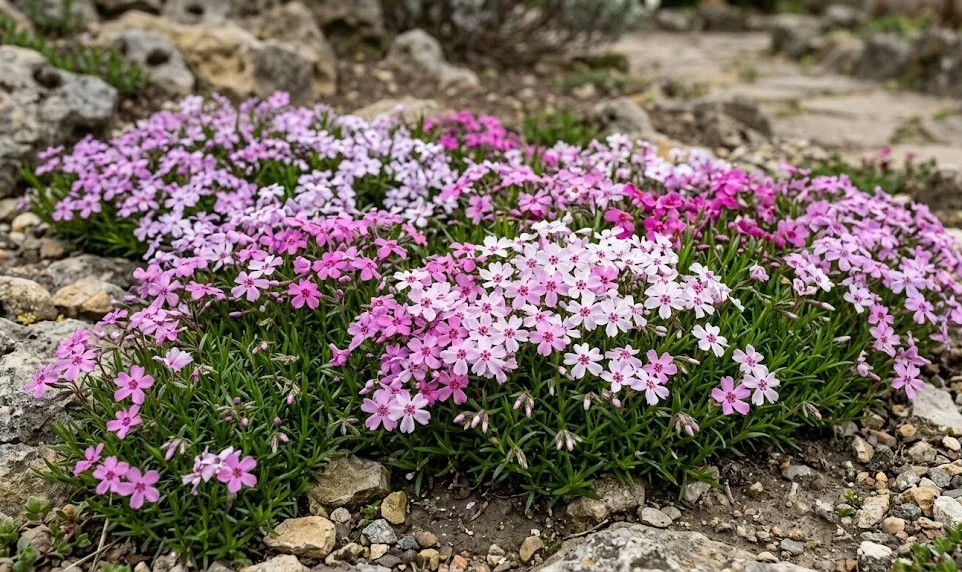

Understanding the light requirements of moss phlox is essential for any gardener who wants to achieve that iconic, dense carpet of spring color. This plant is fundamentally a sun-lover that has evolved to thrive in open, exposed environments where it can soak up maximum solar energy. The intensity and duration of sunlight directly influence everything from the strength of the stems to the abundance of the blooms. Providing the right lighting conditions is perhaps the most important decision you will make when choosing a spot for this groundcover.
The vital importance of full sun exposure
Moss phlox performs at its absolute best when it is planted in a location that receives full sun for the majority of the day. In gardening terms, this means at least six to eight hours of direct, unfiltered sunlight every single day during the growing season. The energy from the sun is what fuels the plant’s rapid growth and its ability to produce such a massive quantity of flowers. Without enough light, the plant will become “leggy,” with long, weak stems and very few leaves near the center.
The intensity of the spring sun is a primary trigger for the blooming process that makes this plant so popular. You will notice that plants in the sunniest parts of your garden will usually start flowering earlier than those in slightly shaded spots. The colors also tend to be more vibrant and saturated when the plant has access to plenty of direct light throughout the day. If you want a solid blanket of pink, purple, or white, you simply cannot compromise on the amount of sun the plant receives.
Full sun also helps keep the foliage of the moss phlox healthy by ensuring that moisture evaporates quickly after a rain or morning dew. This rapid drying process is the most effective natural defense against powdery mildew and other fungal diseases that plague many groundcovers. A sun-drenched plant is a drier plant, and a drier plant is much less likely to suffer from the rot that can destroy dense mats of foliage. Sunlight is just as important for the health of the plant as it is for its beauty.
If you are planting moss phlox near tall structures or large trees, you must account for the way shadows move throughout the day. A spot that looks sunny in the morning might be in deep shade by early afternoon as the sun moves behind a building. It is a good idea to observe your chosen planting site at several different times of day before you put the plants in the ground. Ensuring consistent light throughout the entire day is the secret to a uniform and impressive floral display.
More articles on this topic
Managing moss phlox in partial shade conditions
While full sun is the ideal, moss phlox can sometimes tolerate locations that offer partial shade, though there are significant trade-offs involved. In these areas, the plant will likely grow much more slowly and will not form the same tight, dense carpet that it does in the sun. You may see more of the soil through the foliage, and the overall appearance will be more loose and airy. If your only available space is partly shaded, you should be prepared for a less dramatic performance from the plant.
Partial shade can actually be beneficial in very hot climates where the afternoon sun is exceptionally intense and drying. In these regions, a bit of light shade during the hottest part of the day can prevent the foliage from burning or becoming overly stressed. However, this is the only exception, and in most temperate gardens, more sun is always better for the health of the phlox. You should aim to provide as much morning and midday sun as possible if the afternoon must be shaded.
One of the biggest challenges of growing moss phlox in the shade is the increased risk of pests and diseases. Because the foliage stays wet for longer, it becomes a much more attractive environment for slugs, snails, and various types of fungi. You will need to be much more vigilant about monitoring the health of your plants if they are not in a full-sun location. Proper spacing and careful watering become even more critical when the sun isn’t there to help manage the moisture levels.
If you notice your phlox is struggling in a shaded spot, you might consider pruning nearby trees or shrubs to let in more light. Even a small increase in the amount of daily sunlight can have a dramatic effect on the vigor and bloom quality of the plant. If the area is simply too dark, it might be better to choose a different groundcover that is more suited to the shade. Understanding the limits of what a plant can tolerate is part of being a professional and successful gardener.
More articles on this topic
Effects of light intensity on bloom quality and duration
The quality of the floral display is directly proportional to the amount of light the moss phlox receives in the weeks leading up to the spring. Plants that spend the winter and early spring in a bright, sunny spot will develop more flower buds along their stems. You will find that the “flower-to-leaf” ratio is much higher in sun-drenched plants, often to the point where the green foliage is completely hidden. This is the goal for most gardeners, and it is entirely dependent on the available light energy.
Light also plays a role in the duration of the blooming period, although this relationship can be a bit more complex. While sun is needed to produce the flowers, extremely intense heat and direct sun can sometimes cause the individual blooms to fade more quickly. In a very bright spot, the show might be spectacular but slightly shorter than in a location with a tiny bit of afternoon relief. However, the sheer volume of flowers in the sun usually makes up for a slightly shorter blooming window.
The orientation of your garden beds—whether they face north, south, east, or west—will affect how the light hits your moss phlox. South-facing slopes are often the best locations because they catch the most direct rays of the sun throughout the entire day. These spots also tend to warm up earlier in the spring, which can lead to an earlier and more robust flowering period. Taking advantage of the natural topography of your garden can help you maximize the light your plants receive.
Finally, keep in mind that the light requirements of moss phlox don’t change as the plant gets older. Even a well-established mat will begin to decline if it is gradually overshadowed by growing trees or expanding shrubs. You should regularly evaluate the light levels in your garden and make adjustments as the landscape evolves over the years. By prioritizing sunlight, you ensure that your moss phlox remains a vibrant and healthy centerpiece of your spring garden for a long time.