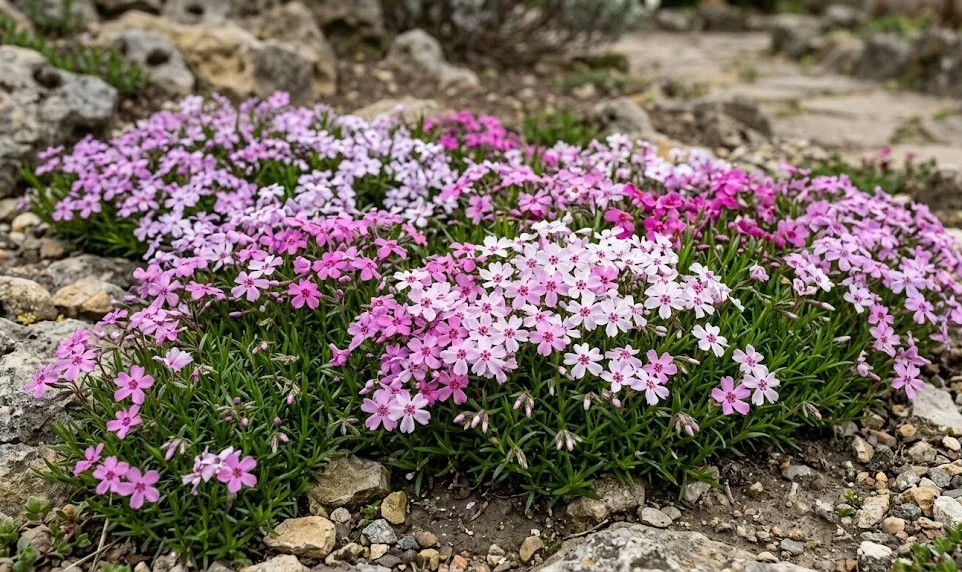

Caring for moss phlox involves understanding its unique role as a hardy groundcover that thrives with minimal intervention once established. This perennial plant is beloved for its ability to create vibrant carpets of color early in the spring season. To maintain its health, you must pay attention to its specific environmental needs and growth patterns throughout the year. Proper care ensures that the foliage remains evergreen and the blooms return with vigor every single year without fail.
Understanding the foundational needs of the plant
The primary requirement for maintaining a healthy carpet of moss phlox is ensuring it has the right environment to thrive. This plant prefers well-drained soil that is relatively lean in nutrients to prevent leggy growth. You should observe the plant closely during its first growing season to ensure it settles into its new home effectively. Consistent monitoring helps identify any early signs of stress before they become major problems for the gardener.
Sunlight plays a crucial role in the overall development and health of the foliage and flowers. Without adequate light, the plant will struggle to produce the dense mat of leaves that makes it so attractive. You must ensure that surrounding taller plants do not overshadow the phlox as the season progresses. Maintaining an open space allows for better air circulation which is vital for preventing various fungal issues.
Soil quality does not need to be exceptionally rich, but it must facilitate the movement of water away from the roots. Heavy clay soils can be problematic because they retain too much moisture during the cooler months. You can improve the structure of your garden beds by adding grit or organic matter to enhance drainage capabilities. This preparation creates a stable foundation that supports the plant’s long-term survival in various weather conditions.
Mulching can be a helpful practice, but it must be done with caution when dealing with groundcovers. Using a light layer of organic material can help regulate soil temperature and suppress competing weeds. However, you should avoid burying the stems of the phlox, as this can lead to rot and decay. A thin layer of gravel or stone chips often works best for this specific type of low-growing perennial.
More articles on this topic
Soil management and site preparation
Preparing the ground before the growing season starts is a key part of successful moss phlox care. You should remove any perennial weeds that might grow through the dense mat of the plant. Once the phlox establishes its thick carpet, it becomes much harder to pull weeds without damaging the delicate stems. Taking the time to clear the area thoroughly will save you significant effort in the following years.
The acidity of the soil should ideally be neutral or slightly alkaline for the best results. If your soil is naturally very acidic, you might consider adding a small amount of lime to balance the pH levels. Most garden soils are suitable, but testing the ground can provide valuable insights into necessary amendments. Providing the right chemical balance helps the plant absorb nutrients more efficiently throughout its life cycle.
Aeration is another factor that contributes to the health of the root system over time. Compaction can occur in high-traffic areas or where heavy rains have flattened the earth significantly. Gently loosening the soil around the edges of the planting area can encourage the roots to spread outward. This expansion is necessary for the plant to cover larger areas of the garden as intended.
Drainage remains the most critical aspect of soil management for this particular species of flower. If you notice water pooling around the plants after a heavy rain, you may need to adjust the slope of the bed. Raising the planting area slightly can help excess water run off more effectively. This simple adjustment prevents the roots from sitting in stagnant water, which is a common cause of plant failure.
More articles on this topic
Seasonal maintenance and monitoring
Spring is the most active time for moss phlox care as the plant wakes up from its winter dormancy. You should check the foliage for any winter damage or dried-out patches that may have occurred during the freeze. Clearing away fallen leaves from nearby trees is essential to prevent the phlox from being smothered. This allows the sunlight to reach the crown of the plant and stimulate new growth.
As the flowers begin to fade in late spring, you have an opportunity to shape the plant. While not strictly necessary for survival, a light trimming can help maintain a neat and compact appearance. This practice also encourages the plant to focus its energy on root development rather than seed production. Many gardeners find that this simple task results in a much thicker carpet of green for the rest of the summer.
Summer care focuses primarily on ensuring the plant does not succumb to extreme heat or drought. Although moss phlox is relatively drought-tolerant, prolonged periods without rain can cause the foliage to turn brown. You should keep an eye on the leaves and provide supplemental water if they start to look shriveled. Maintaining a healthy hydration level ensures the plant remains attractive even when it is not in bloom.
Autumn is the time to prepare the plant for the coming cold months by doing a final cleanup. You should avoid heavy pruning at this stage, as the plant needs its foliage to protect the crown from frost. Removing any debris that has collected within the mat of the plant will help prevent rot during the damp autumn weeks. A clean plant is much more likely to emerge healthy and strong when the spring temperatures return.
Managing growth and spreading habits
Moss phlox is known for its ability to spread and fill in gaps between rocks or along walkways. You can manage this growth by gently directing the stems toward the areas where you want more coverage. If the plant begins to grow over boundaries or onto other plants, you can easily trim the edges. This control allows you to maintain the desired aesthetic within your specific garden design.
To encourage faster spreading, you can pin down some of the longer stems to the soil surface. Where the nodes touch the moist earth, new roots will eventually form and anchor the plant. This natural process helps the carpet become more resilient and better attached to the ground. It is an effective way to fill in bare spots without having to buy additional plants.
Over time, the center of an older moss phlox plant may become woody or lose its leaves. This is a natural part of the aging process, but it can be managed through careful intervention. You can fill these bald spots by redirecting younger stems into the center or by adding a bit of fresh soil. Keeping the plant youthful through occasional rejuvenation ensures it continues to look its best for many years.
If the plant becomes too large for its assigned space, you can easily reduce its size through division. This should be done carefully to ensure that the remaining portion of the plant stays healthy. Spring or early autumn are the best times to perform this task to minimize stress on the root system. Managing the footprint of the plant helps maintain balance within a diverse garden ecosystem.
Identifying and addressing environmental stress
Extreme weather events can put significant stress on even the hardiest of garden plants like moss phlox. High humidity combined with high temperatures can create a challenging environment for the dense foliage. You should ensure that there is enough space between the phlox and other large perennials to allow air to flow. Good ventilation is the best defense against the stress caused by stagnant, moist air.
Salt spray can be a hidden stressor if you plant your phlox near roads or walkways that are treated in winter. While the plant is somewhat resilient, excessive salt can damage the leaves and inhibit growth in the spring. Rushing the area with fresh water in early spring can help leach away any accumulated salts from the soil. Choosing a location away from direct salt runoff is a proactive way to ensure plant health.
Soil erosion can also affect moss phlox, especially when it is planted on steep slopes or banks. While the plant’s roots help hold the soil in place, heavy rains can wash away the earth from around the crown. You may need to occasionally add a small amount of topsoil to cover any exposed roots that appear after storms. Keeping the roots protected is vital for the plant to continue drawing moisture and nutrients from the ground.
Competition from aggressive lawn grasses is another common source of stress for this groundcover. Grass can easily grow through the phlox mat and steal the resources the plant needs to thrive. You should maintain a clear border between your lawn and the phlox beds to prevent encroachment. Regularly checking for and removing grass seedlings will keep your moss phlox carpet looking pure and vibrant.
Enhancing bloom quality and longevity
The spectacular floral display is the main reason most people choose to grow moss phlox in their gardens. To ensure a long-lasting bloom, you should provide the plant with consistent conditions leading up to the spring. Avoid moving or transplanting the phlox just before it is supposed to flower, as this can abort the buds. Stability is key to a successful and uniform flowering period across the entire carpet.
The intensity of the flower color can sometimes be influenced by the minerals present in the soil. While the variety dictates the primary hue, healthy plants always produce more vivid and striking colors. Ensuring the plant is not lacking in basic nutrients will help it reach its full aesthetic potential. You will notice that a well-cared-for plant creates a much more dense and impressive floral blanket.
After the main blooming period has ended, you might see a few scattered flowers appearing later in the season. While not as dramatic as the spring show, these late blooms are a sign of a very happy and healthy plant. You do not need to do anything special to encourage this, as it happens naturally under good conditions. Observing these small details helps you gauge how well the plant is adapting to its specific environment.
The age of the plant can eventually affect the quantity and quality of the flowers it produces. Older, woodier sections may not bloom as profusely as the younger, more vigorous growth at the edges. Regular maintenance and the occasional addition of fresh compost can help keep the entire plant productive. Keeping the plant in a state of constant renewal is the secret to having a beautiful garden feature year after year.
Integrated care philosophy for long-term success
Successful gardening with moss phlox requires a holistic approach that considers the entire lifecycle of the plant. Rather than reacting to problems as they arise, you should focus on creating a stable and supportive environment. This means choosing the right location from the start and being consistent with your maintenance routine. A proactive mindset leads to a much more rewarding experience for any home gardener or professional.
Understanding how the plant interacts with its neighbors is also a vital part of an integrated care strategy. Moss phlox serves as an excellent companion for spring-flowering bulbs like tulips or daffodils. The phlox foliage acts as a living mulch that hides the dying leaves of the bulbs once they have finished blooming. This synergy creates a more polished look for your garden beds throughout the transition from spring to summer.
Patience is an important virtue when caring for slow-growing groundcovers that need time to establish. While the plant may not cover the entire area in its first year, its steady growth is a sign of deep root development. You should avoid the temptation to over-fertilize in an attempt to speed up the process. Natural, steady growth results in a much hardier and more resilient plant in the long run.
Finally, keeping a simple garden journal can help you track the performance of your moss phlox over the seasons. Noting when it starts to bloom and how it reacts to specific weather patterns can provide valuable lessons for the future. Every garden has its own unique microclimate, and your observations are the best guide for fine-tuning your care routine. With a little attention and the right knowledge, your moss phlox will remain a highlight of your landscape.